





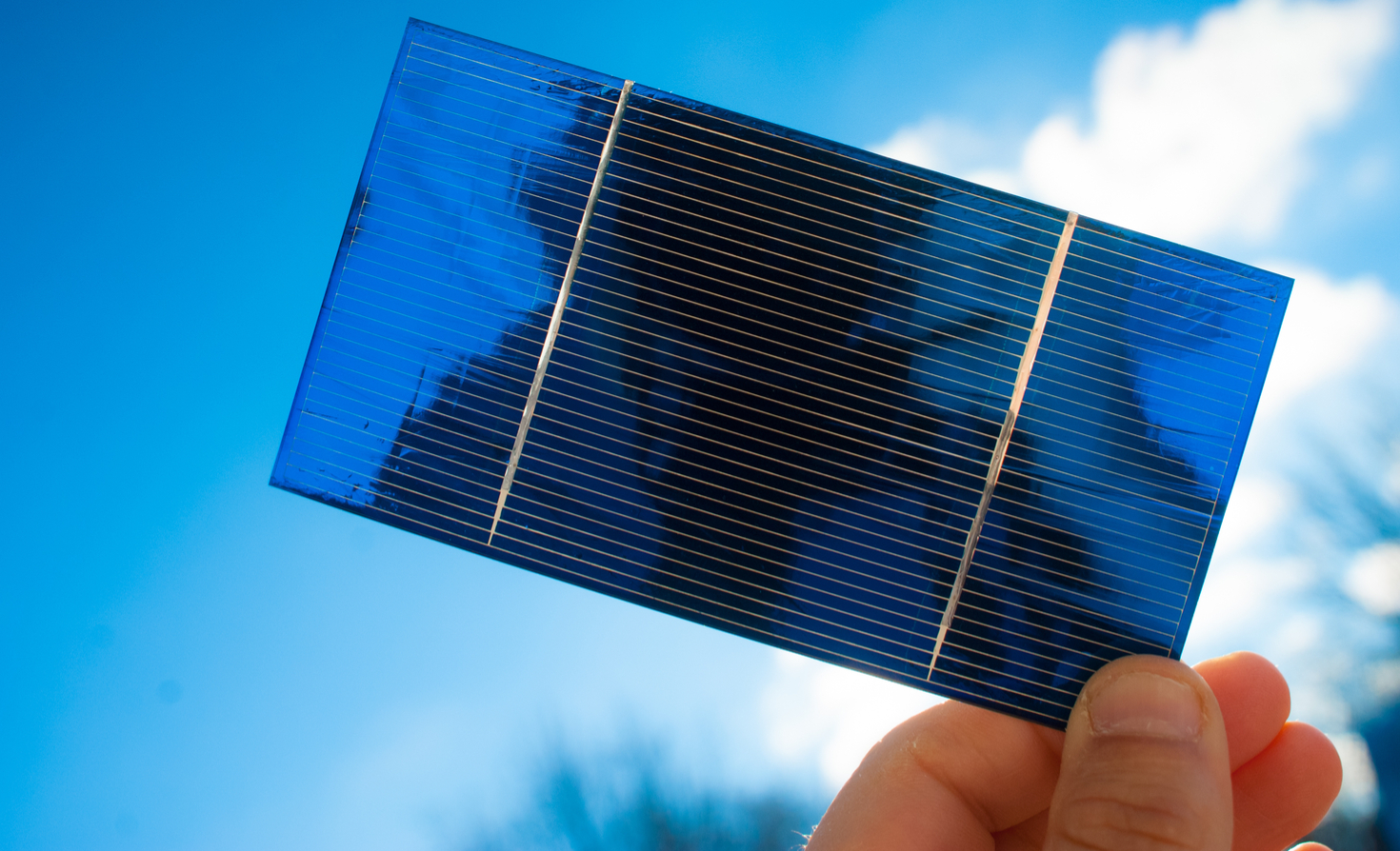


As solar energy becomes an increasingly popular and viable renewable energy source, understanding solar panels’ lifespan is paramount for consumers and businesses investing in sustainable energy solutions. Solar panels are designed to convert sunlight into electricity, providing a clean and environmentally friendly alternative to traditional fossil fuel-based power generation. Nevertheless, like any technology, solar panels have a finite lifespan, and their durability directly impacts the long-term economic and environmental benefits they offer. We will investigate the average lifespan of solar panels, factors influencing their longevity, and considerations for maximizing their efficiency over time.
-
Understanding Solar Panel Lifespan
The average lifespan of solar panels refers to the period during which they can preserve their efficiency at an acceptable level, yielding a substantial amount of electricity. Generally, solar panel manufacturers deliver two key warranties: the product warranty and the performance warranty.
- Product Warranty: This warranty guarantees the solar panel’s structural integrity and workmanship, protecting against manufacturing defects and premature failure. It typically lasts 10 to 25 years, depending on the manufacturer and the type of solar panel.
- Performance Warranty: The performance warranty assures that the solar panel will generate a minimum percentage of its original power output over a specific period. Commonly, performance warranties extend up to 25 to 30 years, with panels expected to maintain around 80-90% of their initial efficiency during this time.
-
Factors Influencing Solar Panel Lifespan
Various factors influence the lifespan of solar panels, and comprehending these factors can enable users to make informed decisions about their maintenance and replacement strategies. Some of the key factors include:
- Quality of Materials: The quality of materials utilized in manufacturing solar panels plays a significant role in determining their longevity. Panels made with high-grade materials and precise manufacturing processes cultivate to have a longer lifespan and are more resistant to environmental stressors.
- Climate and Weather Conditions: Solar panels are exposed to the elements throughout their operational life. Extreme weather conditions, such as hailstorms, heavy snow, high winds, and intense heat, can impact their performance and durability. Regions with harsh climates may reduce the panels’ overall lifespan.
- Maintenance: Proper maintenance and cleaning can help extend the life of solar panels. Regular inspections, cleaning of dust and debris, and prompt repairs of any damages can ensure that the panels stay in optimal condition for a vast period.
- Temperature: High temperatures can lead to a gradual reduction in the efficiency of solar panels over time. Nevertheless, modern solar panels are organized to restrain temperature variations, and the consequence on performance is relatively minimal.
- Panel Type: Different types of solar panels have differing lifespans. Monocrystalline and polycrystalline panels, for example, are comprehended for their longevity and typically have a longer lifespan than thin-film panels.
- Installation Quality: Proper installation by experienced professionals is paramount to the performance and lifespan of solar panels. Poor installation may usher in premature degradation or permanent damage to the panels.
Average Lifespan of Different Solar Panel Types
The average lifespan of solar panels can alter based on the technology employed in their production. The three typical solar panels are monocrystalline, polycrystalline, and thin film. Let’s review the specific lifespans of each:
- Monocrystalline Solar Panels: They are comprehended for their high efficiency and longevity. On average, monocrystalline panels have a lifespan of 25 to 30 years. This makes them an excellent investment for homeowners and businesses pursuing a long-term renewable energy solution.
- Polycrystalline Solar Panels: Polycrystalline panels are negligibly less efficient than monocrystalline panels but are durable and long-lasting. They generally have an average lifespan of 25 years, similar to their monocrystalline counterparts.
- Thin-Film Solar Panels: Thin-film panels are generally less expensive to manufacture but have a shorter lifespan than crystalline panels. The average lifespan of thin-film solar panels is around 20 years. Nevertheless, advancements in thin-film technology may improve their longevity in the future.
Factors Affecting Solar Panel Degradation
While solar panels are invented to defy diverse environmental conditions and preserve their efficiency over time, a gradual degradation in performance is inevitable. The momentum of degradation varies depending on diverse factors:
- Initial Quality: Higher-quality solar panels tend to degrade slower than lower-quality panels. Investing in premium panels with good warranties can ensure better long-term performance.
- Temperature: High operating temperatures can usher to faster degradation. Nevertheless, most modern panels have technologies to handle temperature fluctuations effectively.
- Humidity: Excessive humidity can direct to corrosion and influence the electrical connections within the solar panels, concerning their performance.
- UV Exposure: Solar panels are constantly exposed to UV radiation, which can contribute to material wear and degradation over time.
- Potential Induced Degradation (PID): PID occurs when stray currents affect the solar cell’s electrical properties, reducing prevailing efficiency.
The average lifespan of solar panels is critical for anyone interested in investing in solar energy. High-quality solar panels can last for 25 to 30 years or more, providing an excellent return on investment and significant environmental benefits over their operational life. Factors such as panel type, climate conditions, maintenance, and manufacturing quality all play a role in determining the longevity and efficiency of solar panels. Solar Peak offers solar panel installation in Salem, OR, if you are looking for a professional company.


