




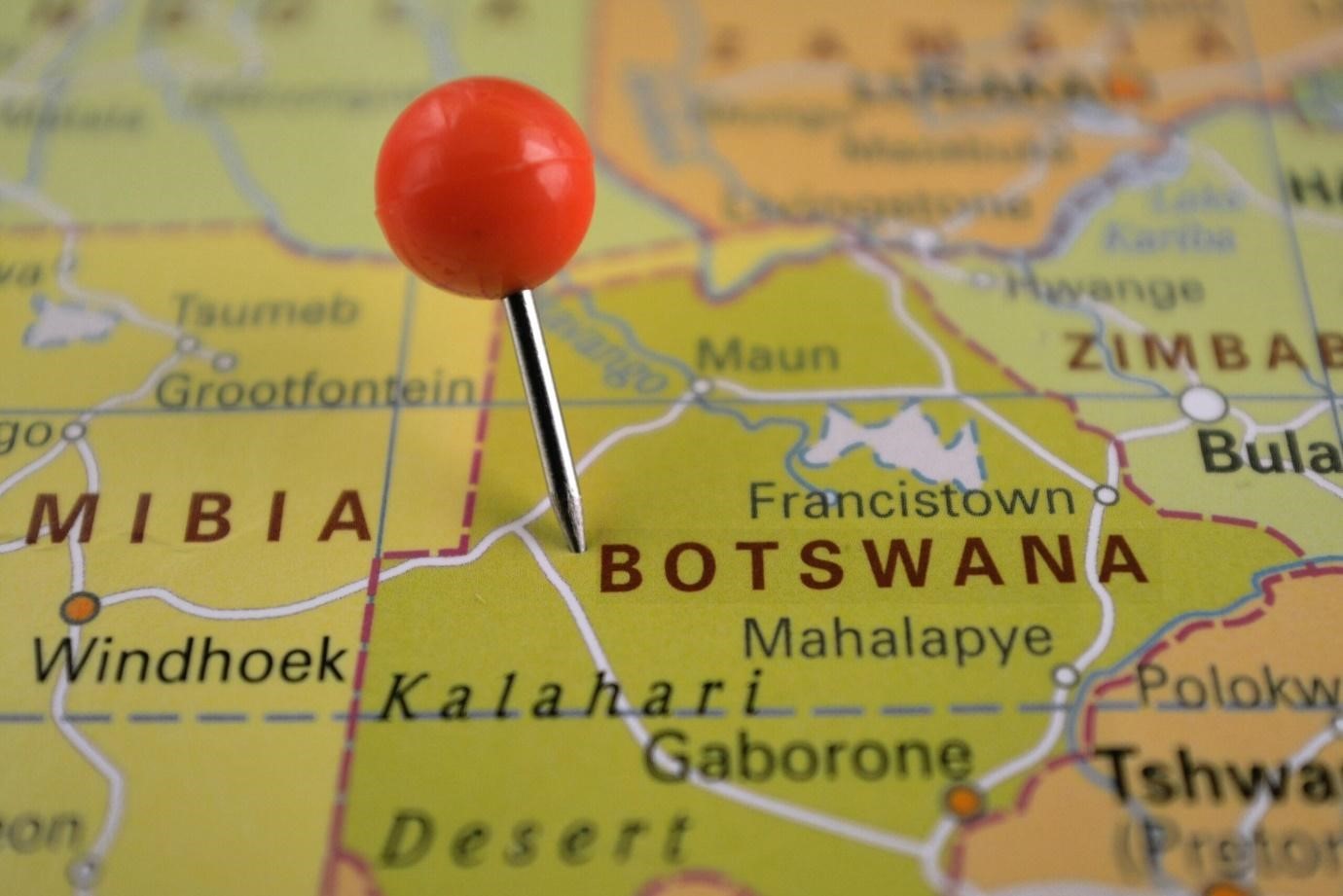


Botswana is one of Africa’s top travel destinations without a doubt and over the years, the country has seen a massive increase in tourists from all over the world. With that, Botswana entry requirements 2024 have been updated and it is vital for every traveler to keep up with the updates and understand what is required from them before they travel for Botswana Safari.
We have outlined some of the updated Botswana Travel Requirements 2024 below to make your travel much easier.
Visa Regulations and Passport Validity
- You should have a passport with at least 6 months of validity remaining
- Passport should have 3 or more unused pages
- Visitors are allowed to stay in Botswana for a maximum of 90 days per year.
- Botswana identifies up to 140 nationalities that need an approved tourist visa
- The visa can be applied for online and will be processed and approved within a few business days.
- Botswana also identifies countries that do not require a visa, these include all European Union citizens, and a large number of South American and African countries.
- Some nationalities are not eligible for a Botswana visa upon arrival
- It is important to know which category your country falls in order to fully understand the entry requirements as per your country.
- Children below the age of 18 require a certified copy of their birth certificate, a valid passport, and a parental consent form from the parent
Entry Points and Air Travel
Getting to Botswana is not as complicated as many people think. You can travel to the country either by road or by air and with the updated Botswana entry requirements, travel is much easier.
Air Travel
- There are no direct flights from Europe, America, Asia, or most parts of the world to Botswana.
- You can only fly into Botswana through commercial airlines from Victoria Falls, Cape Town, or Johannesburg.
- The International Airports in Botswana include Kasane Airport, Maun Airport, Sir Seretse Khama International Airport, and Francistown International Airport. These become the first points of entry and then from there, you can make your way around the country.
Road Travel
- The easiest way to get to Botswana by road is to fly to Victoria Falls in Zimbabwe or to Livingstone in Zambia and then get a road transfer to Kasane and you can proceed from there.
- For Road travel in Botswana, it is advised to use a 4×4 vehicle particularly when traveling to remote areas, in National Parks, and through dirt roads.
- When driving make sure to have your valid driver’s license and correct vehicle registration documents.
- Third-party insurance is available at the border and is necessary for all vehicles entering Botswana together with a Temporary Import Permit.
Travel Insurance and Health Preparations
For the treatment of major illnesses/accidents and, if necessary, medical evacuation, travelers visiting remote areas of Botswana must have a complete medical insurance policy. Insurance for personal belongings is also suggested. Make sure you are treated by licensed medical professionals if you need medical care so you can get the right paperwork and invoices for your insurance company.
There are government clinics and hospitals that offer affordable medical care. There are private medical practitioners in the larger cities including Gaborone, Francistown, and Maun.
Some Health Facts To Know:
- Botswana requires a yellow fever certificate if you are traveling from an infected area.
- Botswana water is safe to drink but you can also purchase bottled water from shops, and supermarkets or get it from your lodge.
- It is very hot in Botswana hence it is advised that you travel with enough sunscreen.
- Malaria is common in Northern Botswana, the Okavango and Chobe areas. You may need to take prescription medicine before, during, and after your trip to prevent malaria. Also, keep your mosquito and insect repellent with you at all times.
Document Checklist for Travelers
- Passport valid for at least 6 months.
- The appropriate visa based on your nationality and travel requirements.
- A yellow fever certificate if traveling from a highly infected area.
- A birth certificate for children under the age of 18.
- A letter of consent from both parents of the children or from one should the child be traveling with only one parent.
Local Regulations and Guidelines
When travelling for Botswana Safari Tours, it is important to have knowledge about some of the local regulations and guidelines that are in place. We have listed a few below:
- Drug taking and smuggling is a serious offense.
- You are not allowed to take pictures and videos of military and government officials and premises.
- It is illegal to trade, hunt, sell, buy, or capture any protected wildlife in the country. If caught you can be prosecuted.
Embracing Botswana Travel in Changing Times
The entry requirements for Botswana have seen a few changes in recent times. From the 28th of September 2022, Botswana dropped all its COVID-19 protocols. Masks are no longer mandatory and there is no need to produce a PCR test at points of entry. Vaccinations or proof of vaccinations upon entry are no longer required.
Next Stop, Botswana
Now that we have exhausted all you need to know about the Botswana Entry Requirements, there is nothing stopping you from adding this beautiful country to your bucket list. It has so much to offer and is a traveler’s true nature paradise. Let’s enquire about Botswana Safari Packages today!


