





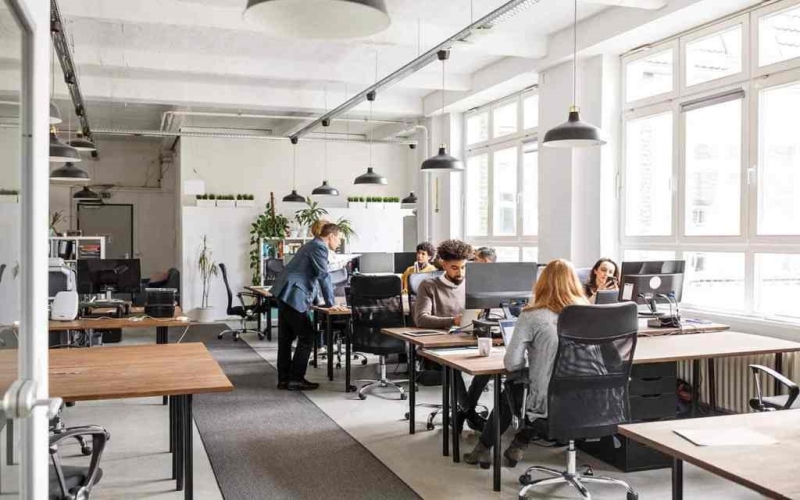


When it comes to office furniture, the choice of materials plays a pivotal role in determining the durability and aesthetics of the pieces. Each material has its unique characteristics, impacting how furniture looks, feels, and how long it lasts. In this article, we will explore the various material choices for office furniture, considering both their durability and their contribution to the overall aesthetics of the workspace.
1. Wood: A Timeless Classic
Wood is a classic choice for office furniture due to its timeless appeal. It exudes warmth, sophistication, and a sense of reliability. Hardwoods like oak, cherry, and walnut are known for their durability, making them excellent choices for desks, chairs, and cabinetry.
2. Metal: Strength and Modernity
Metal is a popular choice for contemporary office furniture. Steel and aluminum are widely used for their strength and sleek appearance. Metal furniture is ideal for minimalist and industrial-themed offices, where clean lines and a modern aesthetic are desired.
3. Laminate: Affordability and Versatility
Laminate is a cost-effective material choice for office furniture. It’s versatile and comes in a wide range of colors and patterns, making it easy to match with existing decor. Laminate furniture offers a balance between aesthetics and affordability, suitable for budget-conscious office spaces.
4. Glass: Elegance and Transparency
Glass furniture elements, such as tabletops or shelving, add an element of elegance and transparency to the office. Glass is a material that can make a space feel more open and airier. While it may require more maintenance to keep clean, its aesthetic appeal is undeniable.
5. Leather: Luxurious Comfort
Leather is often associated with executive and high-end office furniture. It provides a luxurious and comfortable seating option. Leather chairs and sofas not only offer durability but also convey a sense of prestige and professionalism.
6. Upholstery: Comfort and Customization
Upholstered Office Chair and sofa, offers a combination of comfort and customization. It allows for a wide selection of fabrics, colors, and patterns to match the office decor. Upholstered furniture is both aesthetically pleasing and comfortable for long hours of use.
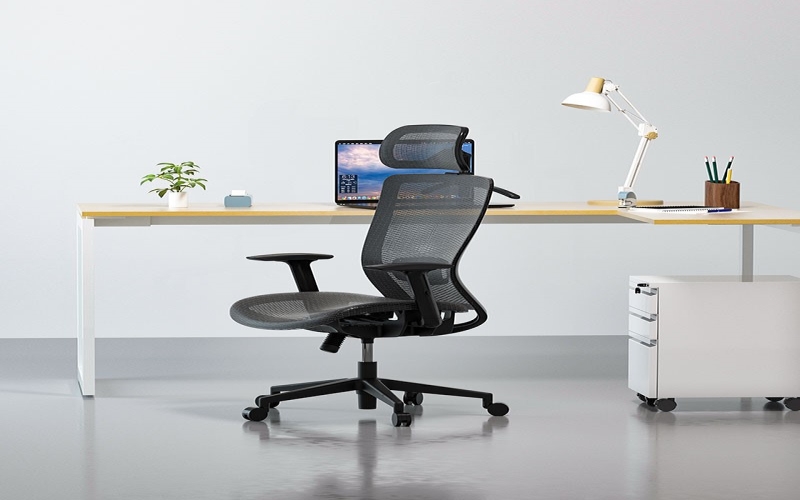

7. Plastic: Durability and Modernity
Plastic is a versatile material for office furniture. It’s known for its durability, ease of maintenance, and affordability. Modern plastic chairs and tables come in a variety of designs and colors, making them a popular choice for contemporary and casual office spaces.
8. Engineered Wood: Cost-Effective Alternative
Engineered wood, like particleboard and MDF (medium-density fiberboard), offers a more affordable alternative to solid wood. It is often used for components of office furniture like shelves and panels. Engineered wood can mimic the appearance of solid wood while providing cost savings.
9. Granite and Stone: Luxury and Elegance
For office furniture pieces like conference room tables and reception desks, granite and stone surfaces are chosen to exude luxury and elegance. These materials are not only durable but also convey a sense of importance and grandeur.
10. Fabric Panels: Acoustic and Aesthetic
Fabric-wrapped panels are commonly used in cubicles and workstation dividers. They serve a dual purpose, contributing to the aesthetics of the workspace and helping to control noise, as they are often sound absorbing. Fabric panels offer a balance between functionality and visual appeal.
11. Cork: Sustainability and Functionality
Cork is an eco-friendly material choice that is growing in popularity for office furniture. It’s sustainable, as it is harvested from the bark of cork oak trees without harming the tree. Corkboards, desks, and wall coverings offer functionality, a unique texture, and an environmentally responsible choice.
12. Stone Veneer: Natural Elegance
Stone veneer is a cost-effective way to introduce the elegance of natural stone into office furniture design. It is used for tabletops, reception counters, and other surfaces, providing a touch of luxury and durability without the high cost associated with solid stone.
Conclusion
The choice of materials in office furniture design is a critical decision that directly impacts both the durability and aesthetics of the workspace. Each material offers its unique characteristics, from the classic warmth of wood to the sleek modernity of metal or glass. By carefully considering the specific needs and design preferences of the office space, organizations can create an environment that not only looks inviting but also stands the test of time.


