







There are all sorts of factors that can lead to bone loss in the jaws. These run the gamut from poor dental hygiene to low bone density to missing teeth to direct physical trauma.
Fortunately, there’s a procedure that can replace lost jaw bone. It’s known as a bone graft, and it’s commonly performed by dentists to restore patients’ dental health.
Wondering what the dental bone graft procedure entails? Then read on because we’re going to discuss it in detail below.
What Is a Bone Graft?
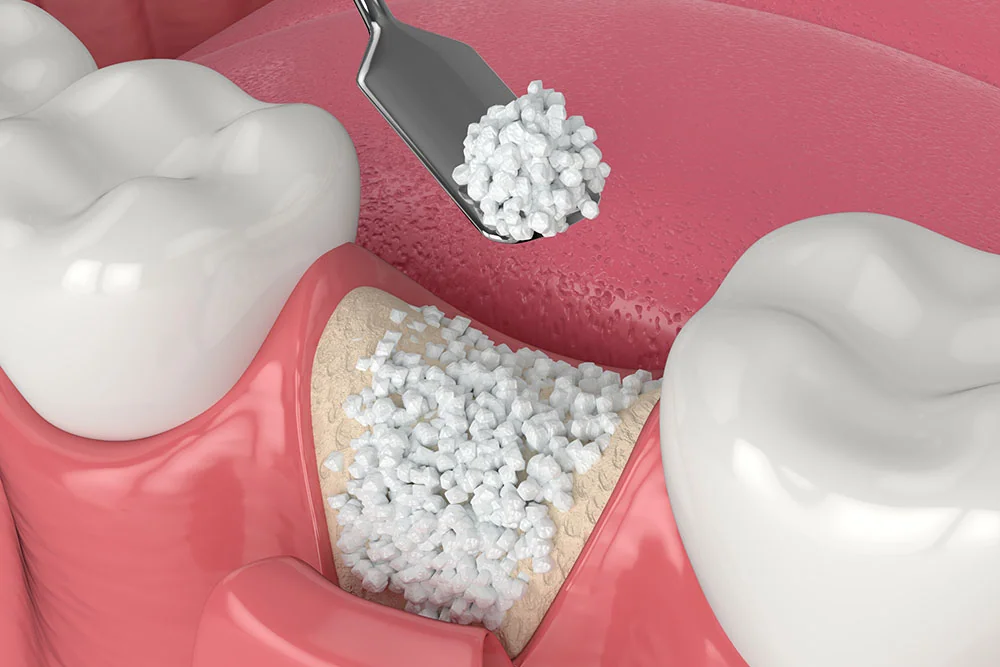
A bone graft is a procedure wherein a portion of bone is added to an area where bone mass is decreasing. The point of this is for the grafted bone to regenerate and therefore replace the decreasing bone.
Now, you might be wondering: where does the bone graft come from? It could come from the patient’s own body. However, it could also come from a human or animal tissue bank.
Dentists use dental bone grafting in situations where the jaw bone is losing mass. By restoring their jaw bones through bone grafting, patients are able to receive dental implants and other dental entities.
Understanding the Dental Bone Graft Procedure
The dental bone graft procedure is fairly straightforward. Once in the dentist’s office, you’ll be placed under a general anesthetic. This will numb your mouth so that you don’t feel any pain during the procedure.
Next, your dentist will cut an incision in your gums where your bone is affected. They’ll then add a bone graft to the affected bone and stitch up the incision so that the bone graft remains in place. This procedure generally takes no more than two hours.
Over the coming months, the bone graft will stimulate your jaw bone, causing it to regenerate. You’ll have to check in with your dentist periodically to ensure that everything is working as intended. Your dentist will also check your mouth for infections and the like.
It can take anywhere from three to six months for the bone to grow back with this method. Once it’s back, however, it will be strong enough for replacing missing teeth. In other words, you can get a bone graft for implant purposes.
Recovering from a Dental Bone Graft
Recovering from a dental bone graft is fairly straightforward. It takes a week or two for the pain to subside. After that, you just need to practice proper oral hygiene.
This includes regular brushing and flossing. It might also include using fluoride mouthwash.
To help stave off pain in the early days of recovery, you might use either a dentist-prescribed or over-the-counter pain reliever. To learn more about dental bone grafts, visit youmakemesmile.ca.
A Bone Graft Procedure Could Return Your Dental Health to Its Prime State
A bone graft procedure is a fairly intensive measure to take. However, it alone can restore your jawbone fully. So, if you’re suffering from bone loss in either one of your jaws, you should strongly consider a dental bone graft.
Searching for info on similar topics? Our website has you covered. Check out some of our other articles right now!


