





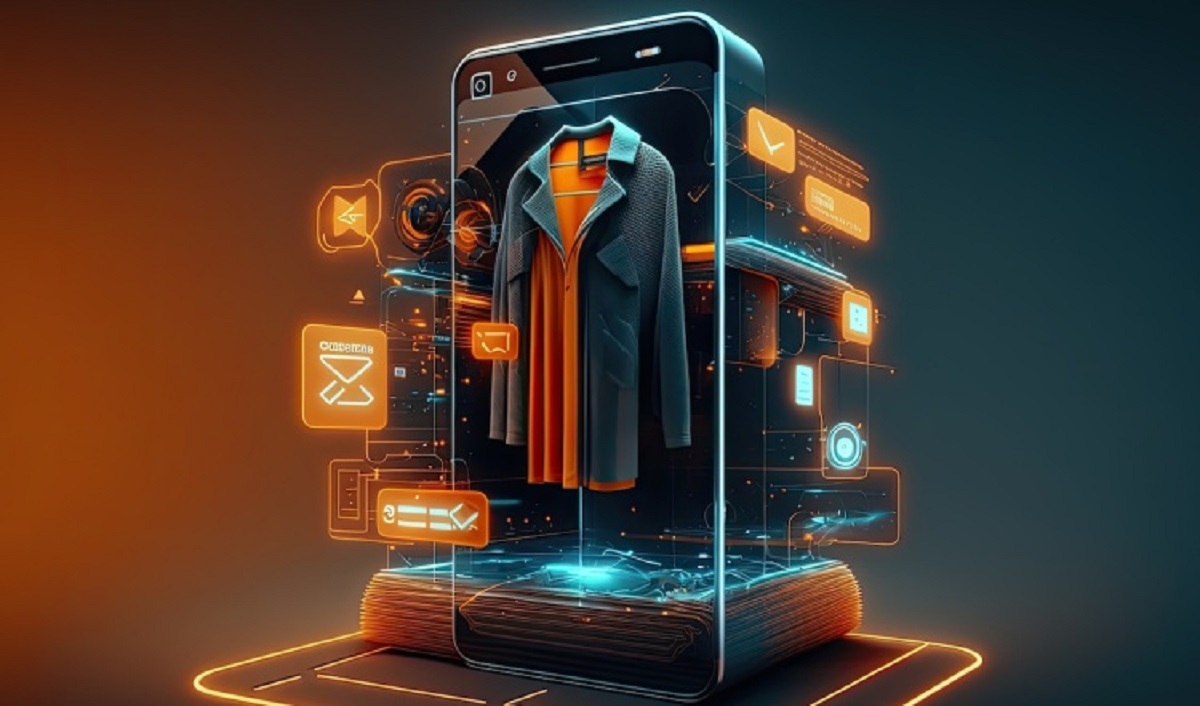


Retail is undergoing a remarkable transformation, and it’s not just a surface-level makeover. It’s a full-blown revolution driven by the rapid ascent of automation technologies. This revolution isn’t about minor adjustments; it’s about reshaping the entire retail experience as we know it. At its heart, this transformation represents a seamless fusion — a harmonious marriage between innovative business strategies and cutting-edge technology. The result? An automated retail landscape that’s incredibly efficient, relentlessly customer-centric, and always in motion.
The Perfect Blend: Business Strategy and Technology
Central to this revolution is the convergence of business strategy and technological innovation. Retailers aren’t just using technologies like Artificial Intelligence (AI), the Internet of Things (IoT), and machine learning as mere tools anymore; they’re making them fundamental components of their business strategies. This fusion is turning retail operations into agile, data-driven, and customer-focused endeavors. It’s not just about using technology; it’s about reinventing retail through technology.
Crafting a New Retail Model
Adopting retail automation isn’t merely a matter of adding gadgets to the shopping experience. It’s a comprehensive makeover of the entire retail landscape. Retailers are harnessing AI to create personalized marketing campaigns, leveraging IoT for real-time inventory management, and tapping into machine learning for predictive analytics. This transformation goes beyond mere efficiency; it’s about crafting a retail model that places exceptional customer experiences front and center. It’s about understanding customers better, predicting their needs, and delivering on those expectations.
Tech-Enhanced Customer Engagement
In retail automation, technology takes the spotlight when it comes to engaging with customers. Personalization is the name of the game. AI delves deep into customer preferences and shopping behavior, enabling precisely targeted marketing and personalized shopping experiences. Augmented Reality (AR) and Virtual Reality (VR) add a layer of excitement to customer engagement, making shopping more interactive and immersive.
Preparing the Workforce
As the retail landscape becomes increasingly automated, the workforce must evolve in tandem. The focus is shifting from mundane, repetitive tasks to roles that require a deep understanding of technology. Training becomes pivotal as employees adapt to working with AI and automation. They need to become proficient in handling data, managing digital systems, and ensuring automated processes run seamlessly — all while maintaining the human touch when interpreting data, making informed decisions, and offering personalized customer service. This transition isn’t just about machines taking over; it’s about humans working in harmony with technology to enhance the overall shopping experience.
The Ethical Dimensions of Automation
With all this technology, questions arise about how we handle customer data, security, and the fairness of AI decisions. Retailers need to be ethical custodians of customer information, making sure it’s protected and that AI systems are open and unbiased. Being transparent about how data is used and decisions are made builds trust with customers. Another big ethical concern is job security. Forward-thinking retailers are addressing this by helping employees learn new skills that work alongside automation.
The Retail Renaissance: Balancing Tradition and Innovation
While we’re zooming into the future, there’s a resurgence of classic retail elements. Things like friendly human interactions, the tactile experience of products, and the cozy atmosphere of brick-and-mortar stores still matter a lot to customers. Some are creating hybrid shopping spaces where you can physically explore products while using AR to enhance the experience. Others are going “smart” in stores, where tech adds convenience with features like cashier-less checkout and personalized recommendations based on what you’re checking out.
Final Thoughts
The retail automation revolution isn’t just a passing trend; it’s a glimpse into the future of shopping. It presents tantalizing opportunities for smoother operations, improved customer experiences, and innovative business models. To thrive in this new world, retailers must not merely adopt technology but seamlessly integrate it into every facet of their operations. The future of retail is a dance between innovation and customer-centricity, driven by the ever-evolving world of automation technology.


