





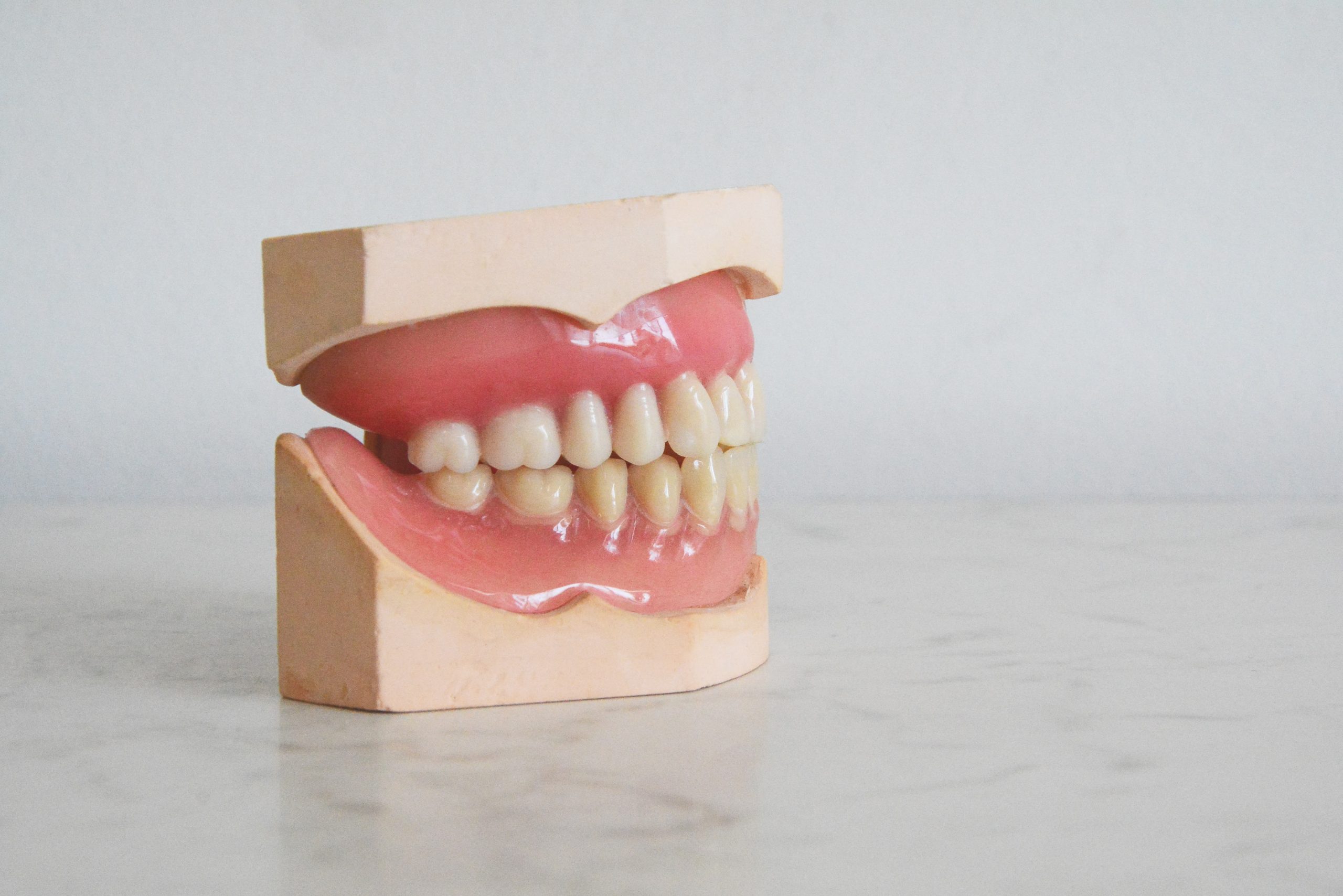


A denture rebase is a type of denture repair where a denturist refits the base of an existing denture to accommodate changes to the gums and mouth tissues. Your dentures can become uncomfortable or loose as a result of your gums and bone structure changing. This may be due to weight loss, oral health conditions like gum disease or just natural ageing. Getting a denture rebase can help to improve the fit, functionality and comfort of your dentures.
Once your dentures have been rebased, you will need to care for them appropriately so that the repair will last. Below are some important aftercare tips that you should use to maintain your dentures following a rebase.
Follow Your Denturist’s Advice
Your denturist will give you specific instructions for properly caring for your dentures following a denture rebase procedure. Make sure to follow all instructions carefully to guarantee the best possible outcome. He/she may advise you to stay away from certain foods or activities for some time after the rebase.
Always Rinse Your Dentures Thoroughly
Following each meal, do not forget to rinse your dentures to remove any leftover food particles that may have gotten trapped between or stuck to it. Use a soft-bristled toothbrush and warm water to clean the denture. Do not use hot water or abrasive toothpaste or other cleaning agents because they can damage the denture.
Soak Your Dentures Overnight
Always soak your dentures using denture cleaning solutions overnight to help keep them clean and fresh. When using these solutions, make sure to carefully follow the manufacturer’s instructions, as this will ensure proper, safe and effective use.
Handle Your Dentures With Utmost Care
Dentures can be really fragile, so it’s vital that you handle them with care, especially when removing them. Be very gentle and do not pull or twist it. When removing dentures, use both hands, holding it by its base instead of the teeth.
Keep Your Mouth Clean
Maintaining proper oral hygiene is vital for preventing oral infections and maintaining healthy gums. Brush your remaining natural teeth and gums twice daily, and floss at least once a day. Rinsing your mouth with an antiseptic mouthwash can also help to kill bacteria, thus preventing infections and freshening your breath.
Visit Your Denturist Regularly
Frequent denture checkups are essential for monitoring gum health or the fit of your false teeth. Your dentist can also detect any developing issues early so as to provide timely treatment before they progress and become more serious.
Avoid Sticky or Hard Foods
Sticky or hard foods can be hard to chew, and they can potentially cause damage to your dentures. Avoid foods like chewing gum, nuts, caramel or popcorn. Rather, opt for easier-to-chew, softer foods such as cooked vegetables, lean meat and fruits.
Store Your Dentures Properly: Store your dentures in a dry, clean container with a lid when they are not in your mouth. Do not uncover or leave it exposed to air where dust or debris can accumulate on it. This can make your denture dry out, leading to cracks or warps, so make sure it is kept moist whenever not in use.
Conclusion
A denture rebase is one of the most common types of ‘denture repair near me’. It is carried out to improve the fit of your dentures following changes to the gums or mouth tissues. Once rebasing is done, proper care is necessary to ensure the continued function of the repaired dentures. The above aftercare tips will be sure to help you maintain your newly rebased dentures.


