





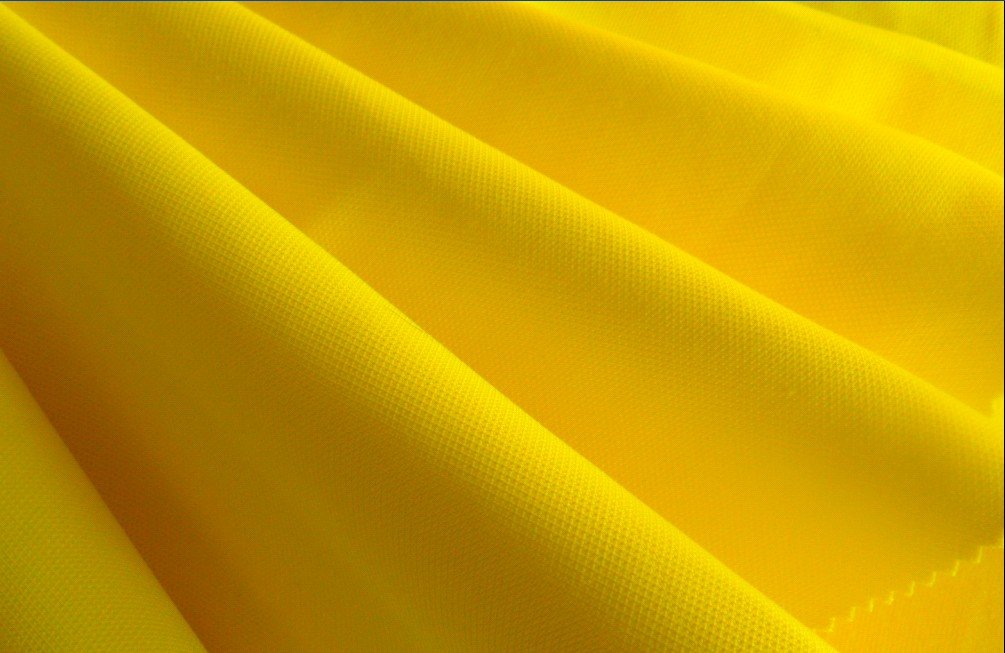


Cotton fabric is made from natural fibers obtained from the cotton plant, and it is known for its softness, breath ability, and durability. Cotton is also hypoallergenic, which means it is less likely to cause skin irritation or allergies. Cotton fabric is also easy to dye, which allows for a wide range of colors and designs. However, cotton fabric is prone to shrinking and wrinkles, and it may not hold its shape well over time.
Poly cotton fabric, on the other hand, is a blend of cotton and polyester fibers. Polyester is a synthetic fiber that adds durability and wrinkle-resistance to the cotton fabric. Poly cotton fabric is also less likely to shrink or fade than pure cotton, making it a popular choice for clothing and bedding. However, poly cotton may not be as soft or breathable as pure cotton, and it may not absorb moisture as well.
Ultimately, the choice between cotton and poly cotton fabric depends on your specific needs and preferences. If you prioritize softness and breath ability, pure cotton may be the better choice. If you prioritize durability and wrinkle-resistance, poly cotton may be the better choice.
What are the advantages and disadvantages of cotton?
Cotton is a natural fiber that is widely used in the textile industry due to its many advantages. However, it also has some disadvantages that should be taken into consideration. Here are some advantages and disadvantages of cotton:
Advantages:
- Softness: Cotton fabric is soft to the touch and comfortable to wear, making it a popular choice for clothing, bedding, and other textiles.
- Breathability: Cotton fabric is highly breathable, which allows air to circulate and helps keep the body cool and dry.
- Hypoallergenic: Cotton is a natural fiber and is less likely to cause skin irritation or allergies compared to synthetic fibers.
- Absorbency: Cotton fabric can absorb moisture up to 27 times its own weight, making it an ideal choice for towels and other absorbent textiles.
- Durability: Cotton fabric is strong and durable, and it can withstand repeated washings and wearings.
Disadvantages:
- Shrinkage: Cotton fabric can shrink when exposed to heat, which can cause clothing to become smaller and lose its shape.
- Wrinkling: Cotton fabric tends to wrinkle easily, which can require more ironing or pressing to maintain a neat appearance.
- Fading: Cotton fabric can fade over time when exposed to sunlight or harsh detergents.
- Water retention: Cotton fabric can hold onto moisture, which can make it heavy and uncomfortable to wear when wet.
- Environmental impact: Cotton production requires a significant amount of water and can also involve the use of pesticides and other chemicals, which can have negative environmental effects.
Despite its disadvantages, cotton remains a popular choice for textiles due to its many advantages and versatility.
In conclusion, both cotton and poly cotton fabrics have their own unique advantages and disadvantages. Cotton fabric is a natural fiber that is known for its softness, breathability, and durability, but it can be prone to shrinking and wrinkles. Poly cotton fabric, on the other hand, is a blend of cotton and polyester fibers that offers added durability and wrinkle-resistance, but it may not be as soft or breathable as pure cotton. The choice between cotton and poly cotton fabric ultimately depends on your specific needs and preferences, such as comfort, durability, and maintenance. Ultimately, both cotton and poly cotton fabrics are popular choices in the textile industry and can be used for a wide range of clothing, bedding, and other textiles.


