





Minecraft, the popular sandbox-style video game, has captured the hearts and minds of millions of players worldwide. With its limitless possibilities for creativity and customization (including a plethora of Minecraft skins to choose from), this game has become much more than a mere source of entertainment. It has evolved into a powerful educational tool that can teach students problem-solving and critical thinking skills, which traditional curriculums often struggle to address. But can it really change the way teachers relate to students?
Let’s delve into how Minecraft is revolutionizing the educational landscape.
The Minecraft Classroom: A New Approach to Learning
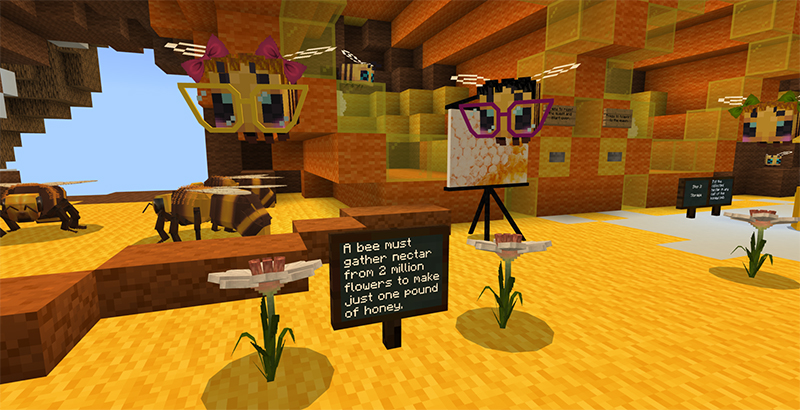
At first glance, it might be hard to imagine how a video game could be used effectively in the classroom. However, innovative educators are tapping into Minecraft’s open-world environment to design engaging, interactive lessons that go beyond traditional teaching methods. Students can work together to build and explore virtual worlds, simulating real-life scenarios and learning through immersive experiences.
Minecraft offers a unique opportunity for educators to create a more dynamic learning environment, fostering collaboration and communication among students. Teachers can use the game to create challenges that require students to think critically and problem-solve, ultimately leading to a deeper understanding of the concepts being taught.
Empowering Students to Take Ownership of Their Learning
One of the most significant advantages of incorporating Minecraft into the classroom is the sense of autonomy it gives students. Traditional educational settings often require students to passively absorb information, but Minecraft encourages active participation and creativity. Students can experiment, make mistakes, and learn from those experiences, leading to a more resilient and adaptable mindset.
Teachers can harness this power by allowing students to take the lead in their learning journey. By giving students the tools to explore and create within the Minecraft world, educators empower them to develop their own understanding of complex subjects. This student-led approach fosters a deeper sense of engagement, motivation, and investment in the learning process.
Connecting with Students on Their Levels
Minecraft’s widespread popularity among young people means that many students are already familiar with the game, creating a common ground between teachers and students. This shared interest can help build rapport and promote a more positive classroom atmosphere. By embracing a medium that students are passionate about, teachers can create a more inclusive, relatable learning experience.
Moreover, Minecraft’s cooperative nature encourages teamwork, communication, and peer support. Students can collaborate on projects, share ideas, and learn from one another in a more organic and social way. This sense of community can contribute to a more supportive and enjoyable learning environment.
Challenges and Considerations
Of course, integrating Minecraft into the classroom is not without its challenges. Teachers must first familiarize themselves with the game’s mechanics and develop lesson plans that align with curriculum objectives. Additionally, it is essential to strike a balance between fun and educational value, ensuring that the game serves as a meaningful teaching tool rather than a mere distraction.
Access to technology and resources is another consideration, as not all schools may have the means to provide every student with access to Minecraft. Despite these challenges, the potential benefits of incorporating Minecraft into education are substantial and worthy of exploration.
A Brave New World of Teaching and Learning
While Minecraft alone may not revolutionize the entire educational system, it does offer a fresh, innovative approach to teaching that encourages creativity, critical thinking, and problem-solving. By harnessing the game’s immersive, engaging nature, teachers can connect with their students on a new level, creating a more dynamic and enjoyable learning experience.
The true power of Minecraft in education lies in its potential to inspire both teachers and students to explore new ways of learning, transforming the classroom into an exciting and dynamic space where students can take ownership of their education and develop important life skills.
As technology continues to evolve, it is essential that educators embrace new tools and platforms that can support their teaching and enrich their students’ learning experiences. Minecraft is just one example of how innovative technology can be harnessed to create a brighter future for education. With an open mind and a willingness to experiment, educators can help shape the future of teaching and learning, empowering students to become lifelong learners and problem-solvers.


