




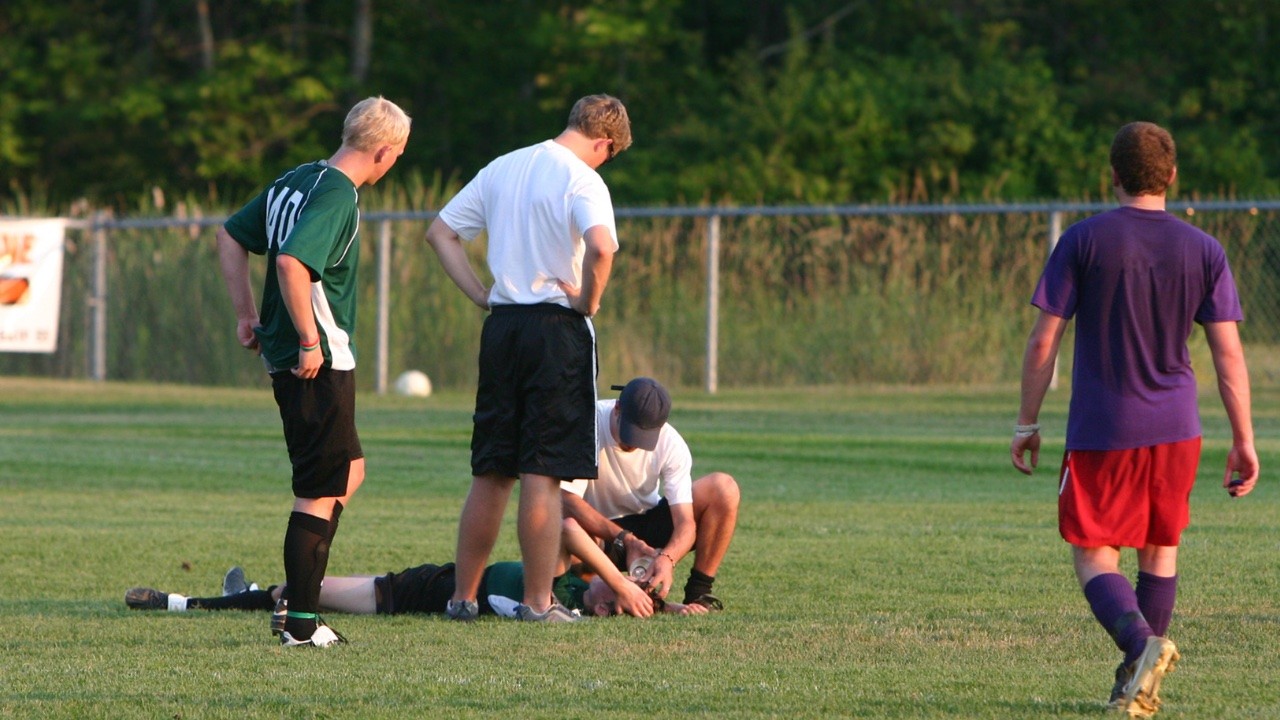


Concussions are a commonly occurring injury in sports, and they can have serious long-term consequences if not treated properly. Athletes and coaches must be equipped with the knowledge and skills required to identify the signs and symptoms of a concussion, as well as how to manage and treat it. This is where concussion care training comes in. In this blog post, we will discuss why concussion care training is essential for athletes and coaches, and how it can help prevent further injury and ensure a safe and healthy sports environment.
The Impact of Concussions
Concussions are very serious injuries that can have serious consequences for athletes. A concussion is a type of traumatic brain injury that can occur when the head is affected by a direct or indirect force. This can cause a variety of physical, cognitive, and emotional symptoms, such as headaches, dizziness, nausea, confusion, difficulty concentrating, and memory loss.
The long-term effects of concussions are still being studied, but there is evidence that suggests that athletes who have had multiple concussions may be at an increased risk for developing memory and cognitive problems, depression, and an increased risk of developing chronic traumatic encephalopathy (CTE). CTE is a degenerative brain disease that is caused by repeated head trauma and is associated with cognitive, behavioral, mood, and motor dysfunction.
The Benefits of Concussion Care Training
Concussion care training is beneficial for both athletes and medical professionals who work with athletes. It provides them with the knowledge and skills necessary to identify, diagnose, and manage concussions. For athletes, this training helps to ensure that they receive the appropriate care for their injury, reducing their risk of long-term complications. For medical professionals, concussion training helps to ensure that they are equipped to recognize, diagnose, and manage concussions in their patients. Furthermore, concussion care training provides resources for athletes and medical professionals to stay up-to-date with the latest research on concussions and best practices for treating them.
Understanding the Signs and Symptoms of a Concussion
A concussion is a type of traumatic brain injury that is caused by a blow to the head or a jolt to the body. Symptoms of a concussion can be mild or severe, and they can last for a few days to several weeks.
Common signs and symptoms of a concussion include:
- Headache
- Dizziness
- Balance problems
- Blurred or double vision
- Light sensitivity
- Nausea or vomiting
- Difficulty concentrating or remembering
- Feeling slowed down or foggy
- Feeling irritable, more emotional, or “off”
Implementing Concussion Care Protocols
Concussion care protocols are an essential part of any sports program. Implementing a comprehensive concussion care plan is the best way to ensure the safety of athletes. This plan should include baseline testing and post-injury management protocols. Baseline testing should be conducted on all athletes prior to the start of the season. Additionally, coaches, trainers, and athletes should be educated about the signs, symptoms, and management of a concussion. Post-injury management should include a stepwise return to play protocol, as well as an emergency plan for serious situations. A concussion care protocol should also include a system for tracking and reporting concussions, as well as guidelines for when an athlete should be referred to a medical professional for further evaluation.
Supporting Athletes After a Concussion
Supporting athletes after a concussion is essential for their successful recovery and return to physical activity. It’s important to provide medical care and guidelines to prevent any further injury or long-term damage. The most important thing is to make sure that the athlete is not rushed back into physical activity too quickly. This can lead to further complications or even permanent brain damage. It’s important to monitor their symptoms, provide education and resources to athletes and their families, and provide emotional support. It’s also important to provide psychological services if needed and to ensure proper rest, nutrition, and hydration to help promote recovery. All of these steps are necessary to ensure that the athlete can return to physical activity safely and with confidence.
The Role of Coaches in Concussion Care
Coaches play an important role in concussion care. They are responsible for making sure that their players are aware of the signs and symptoms of a concussion, as well as teaching proper concussion prevention techniques. Coaches should also be familiar with the most current concussion management protocols and be able to recognize when a player may be exhibiting signs of a concussion. Coaches should also be able to provide immediate medical attention if a concussion is suspected by referring the player to a healthcare professional trained in concussion management. It is important for coaches to communicate with their players to ensure that the player is aware of the signs and symptoms of concussion and takes the necessary steps for proper concussion care.


