





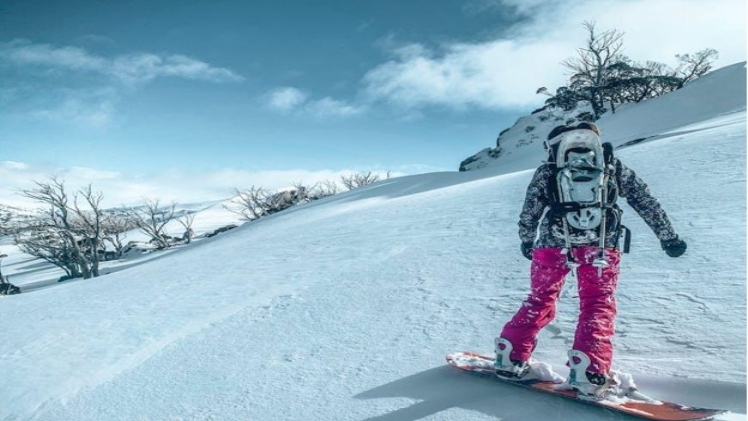


While winter hiking and skiing are fantastic ways to stay active, they also pose more of a risk for hypothermia than people realize. In fact, sweating during cold weather sports can cool your body temperature down quickly.
If you’re unaware of the dangers of hypothermia and winter sports, it’s time to pay attention. Learning more about what causes hypothermia, along with essential prevention tips, will keep you safe and healthy for years to come.
Keep reading this guide to learn more about the causes of hypothermia in recreational activities.
Overview of Hypothermia
Hypothermia is a serious condition that results from your core body temperature dropping under 95 degrees Fahrenheit. Your normal body temperature is typically around 98.6 degrees Fahrenheit.
It’s essential to realize that hypothermia is an emergency situation. When your body temperature gets too low, your brain can’t function normally. People with severe hypothermia cannot think clearly or move normally.
If you leave hypothermia untreated, it can lead to heart failure and death.
What Causes Hypothermia During Winter Sports?
Hypothermia occurs from prolonged exposure to cold temperatures. When you’re in cold temperatures, your body starts losing heat faster.
The longer you’re outside in the cold, the more your body needs to use its stored energy. This leads to a further decrease in body temperature.
Additionally, temperature changes and poor clothing choices can lead to hypothermia. This is especially true if you have underlying medical conditions like heart disease that impact your body.
The tricky thing about hypothermia during sports is that it’s about various factors that all work together.
First, the combination of cold, wet weather and wind can increase the chances of hypothermia and frostbite. You must also deal with the effects of sweating and wet clothing in cold temperatures.
Finally, exercising in cold rain drops your core body temperature even more, which affects the blood flow to your muscles.
Treatment and Prevention of Hypothermia in Winter Sports
Preventing hypothermia in winter sports takes some preparation and planning. First, you’ll need to know the symptoms of mild hypothermia, which include:
- Exhaustion
- Shivering
- Chattering teeth
- Slow movements
- Clumsiness
- Pale skin
- Feeling sleepy
- Confusion
- Poor judgment
- Fast heart rate
- Rapid breathing
If you have any signs of hypothermia, you must immediately move to a warm and dry place. Remove all wet clothing and put on dry clothing. You should cover up with a blanket, hat, and jacket.
Preventing hypothermia during winter sports is easy. You just have to understand how to dress appropriately for the weather. Layers keep you warm and give you the flexibility to adapt to temperature changes.
Your base layer should fit snugly and be made of moisture-wicking material. You should then add other layers, like a wool shirt, to keep warm. Waterproof jackets and pants are also essential.
Don’t forget you lose a lot of heat through your head, hands, and feet. Be sure to bring hats, gloves, and extra wool socks. You can always take layers off, but you can’t add extra clothing you don’t have if you get too cold.
Be sure to read this blog on dressing for snow for more prevention tips.
Avoiding Hypothermia During Winter Sports
Knowing more about what causes hypothermia during outdoor activities will help you protect yourself against hypothermia.
Always practice winter sports safety even if it doesn’t seem that cold outside at first glance. It’s better to pack too many clothes and have to take them off later.
For more helpful health and lifestyle tips, be sure to visit the rest of our blog today!


