





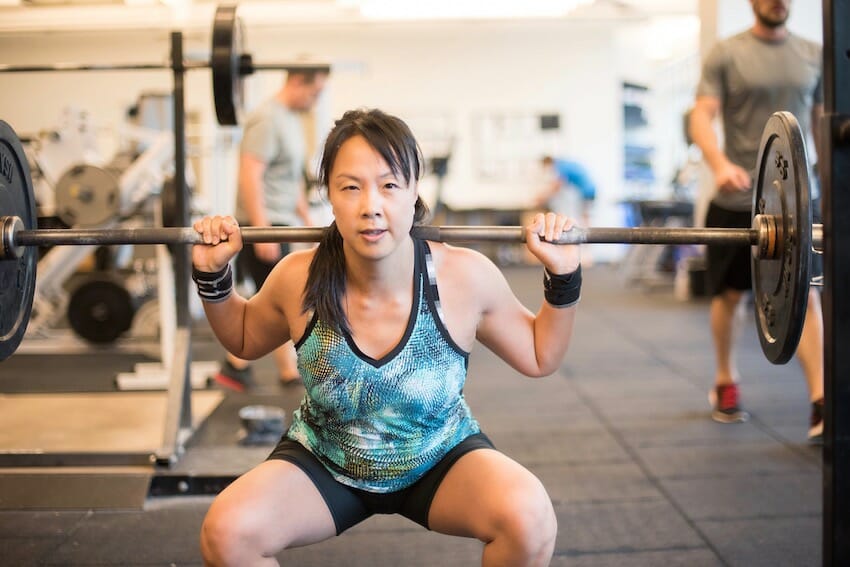


If you’ve ever walked into a gym and felt a rush of awe watching someone lift an impressive amount of weight, chances are you witnessed powerlifting in action. Powerlifting is a strength sport that revolves around three fundamental lifts: the squat, the bench press, and the deadlift. But it’s not just about raw strength – it’s a combination of technique, dedication, and mental prowess. Jessica Pfund discusses the cornerstones of powerlifting, breaking down the key elements that make this sport both challenging and rewarding.
The Big Three Lifts
At the heart of powerlifting lies the “Big Three” lifts: the squat, the bench press, and the deadlift. These three movements are the cornerstone of powerlifting competitions and are the ultimate test of an athlete’s strength. Each lift targets different muscle groups and requires a unique set of skills.
The squat is a compound movement that primarily works the muscles of the lower body, including the quadriceps, hamstrings, and glutes. On the other hand, the bench press is an upper-body exercise. It primarily targets the chest, shoulders, and triceps. The deadlift is a full-body exercise focusing on the back, hips, and legs.
Technique Matters
While raw strength is essential in powerlifting, technique plays a significant role in lifting efficiently and safely. Mastering the correct form for each lift helps prevent injuries and maximizes the weight you can lift. Powerlifters spend countless hours honing their technique under the guidance of experienced coaches.
Proper form involves factors like foot placement, grip, bracing your core, and maintaining a stable spine. For instance, in the squat, keeping your chest up and knees in line with your toes is crucial. Maintaining a neutral spine and using your hips to initiate the lift in the deadlift can prevent back strain. The bench press demands a tight arch in the upper back, a solid grip on the bar, and controlled lowering and pressing movements.
Training And Periodization
Powerlifting is not a casual endeavor. It requires dedicated and consistent training. Powerlifters follow structured training programs focusing on building strength in specific lifts. Periodization is a key concept in powerlifting training. This involves dividing your training into phases that vary in intensity and volume.
The hypertrophy phase involves higher reps and lighter weights to build muscle mass. More muscle can lead to greater potential for strength gains. During the strength phase, the focus shifts to heavy weights and lower reps to build maximal strength. Lifters often work around 80-90% of their one-rep max during this phase. As the competition approaches, powerlifters enter the peaking phase, reducing volume and focusing on heavy lifting to maximize their strength for the specific lifts they’ll perform in the meet.
Mental Fortitude
Powerlifting isn’t just about physical strength. It’s also a mental battle. Lifters often push their bodies to their limits, and having the mental fortitude to stay focused, overcome challenges, and push through fatigue is essential.
Visualization and positive self-talk are common techniques used by powerlifters. Before attempting a heavy lift, visualizing a successful lift can build confidence. Positive self-talk helps drown out doubts and reinforces a mindset of success.
Nutrition And Recovery
Adequate nutrition and recovery are often underestimated aspects of powerlifting. Fueling your body with the right nutrients gives you the energy to perform and recover effectively. Protein is essential for muscle repair and growth, while carbohydrates provide the energy needed for intense training sessions.
Recovery includes proper sleep, mobility work, and active rest days. Overtraining can lead to injuries and hinder progress. Allowing your body to recuperate is crucial.
Competition And Community
Powerlifting isn’t just a solitary pursuit; it’s a community. Powerlifting competitions provide a platform for lifters to showcase their strength and progress. These events foster a sense of camaraderie and sportsmanship among participants. Even if you’re not aiming to compete at a high level, the powerlifting community offers support, advice, and a shared passion for the sport.
Conclusion
Powerlifting is a sport that revolves around the “Big Three” lifts – the squat, bench press, and deadlift. Jessica Pfund believes it combines physical strength, technique, mental resilience, and community perfectly. With dedication to training, emphasis on proper technique, and attention to nutrition and recovery, powerlifting can be a highly rewarding and empowering journey. Whether you’re a seasoned lifter or a newcomer to the sport, understanding these cornerstones will undoubtedly enhance your powerlifting experience.


