



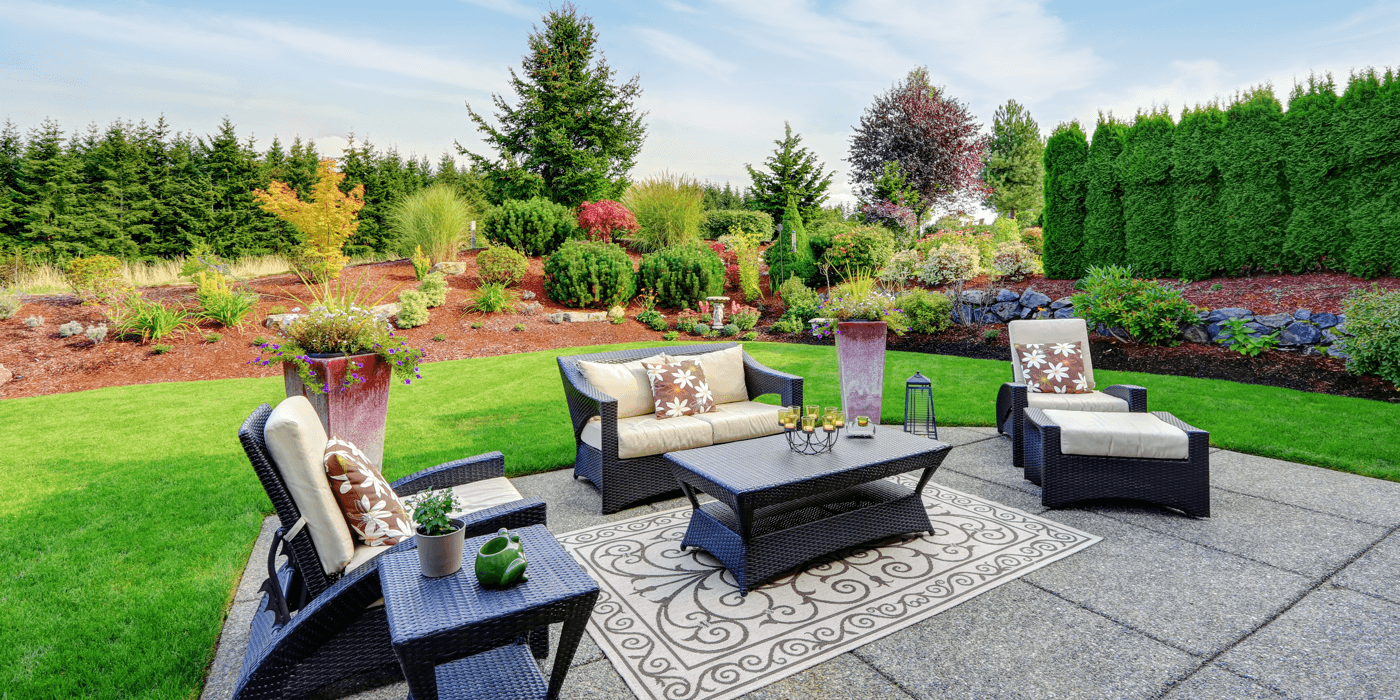


Choosing the right landscaping in Winnipeg is crucial. A professional team can turn your backyard into a stunning oasis, creating a stark contrast between a mundane yard and a captivating outdoor retreat. With expertise in design, installation, and maintenance, a top-notch landscaping company can elevate your property’s curb appeal and overall value. By entrusting your landscaping needs to skilled professionals, you can enjoy a lush and inviting outdoor environment without the hassle of DIY projects or subpar results.
Key Takeaways
- Plan According to Seasons: Tailor your landscaping plans to Winnipeg’s diverse seasons for optimal results.
- Prioritize Native Plants: Embrace native plant selection for a thriving and sustainable landscape.
- Start Seeds Indoors: Utilize indoor seed starting techniques to get a head start on your garden.
- Mulch for Success: Maximize the benefits of mulch in your outdoor spaces for healthier plants and soil.
- Time Your Pruning: Follow pruning timing insights to ensure the health and growth of your plants.
- Protect Against Winter Elements: Implement essential winter watering guidelines and salt-free ice prevention methods to safeguard your landscape.
Understanding Winnipeg’s Seasons
Winter
Winter in Winnipeg is long and harsh, with temperatures often dropping below freezing. Snow blankets the city for months, requiring snow removal services to keep properties accessible. The cold weather limits plant growth, making winterizing essential.
Spring
As spring arrives, temperatures begin to rise, and snow melts away. This season brings muddy conditions, which can impact landscaping projects. It’s a crucial time for clean-up and preparation, such as pruning trees and assessing winter damage.
Summer
Summer in Winnipeg is short but vibrant, with warm temperatures ideal for outdoor activities. This season allows for planting, mulching, and irrigation system maintenance to ensure a lush landscape. However, it also brings challenges like droughts, requiring proper watering techniques.
Fall
In fall, temperatures start to cool, and leaves change colors before falling. It’s a busy time for landscapers, focusing on tasks like leaf removal, aerating lawns, and planting fall flowers. Proper preparation in fall is crucial to ensure plants survive the upcoming winter.
Effective Landscape Planning Strategies
Tailored Plans
Creating comprehensive landscape plans for Winnipeg involves understanding the city’s unique climate and seasonal changes. By tailoring the design to suit Winnipeg’s specific weather patterns, landscaping companies can ensure the longevity and sustainability of outdoor spaces. This includes selecting plant species that thrive in colder temperatures and are resilient to harsh winters.
Incorporating native plants into landscape designs not only enhances the aesthetic appeal but also promotes biodiversity. By using plants indigenous to the region, landscapers can create ecosystems that support local wildlife and require less maintenance. Native plants are well-adapted to Winnipeg’s climate, reducing the need for excessive watering or chemical treatments.
Sustainable Practices
Utilizing sustainable landscaping practices is essential for minimizing environmental impact and conserving resources. Implementing techniques such as xeriscaping, which focuses on water-efficient landscaping, can help reduce water consumption significantly. By designing landscapes that require minimal irrigation, landscaping companies can contribute to water conservation efforts in Winnipeg.
Incorporating green infrastructure elements like rain gardens and permeable paving can further enhance sustainability. These features help manage stormwater runoff effectively, reducing strain on municipal drainage systems during heavy rainfall. By integrating green infrastructure into landscape planning, companies can mitigate flooding risks and improve overall water quality in the city.
Eco-Friendly Approaches
Embracing eco-friendly approaches in landscape planning involves prioritizing practices that minimize harm to the environment. This includes avoiding the use of chemical pesticides and fertilizers that can pollute soil and water sources. Instead, landscapers can opt for organic alternatives or integrated pest management strategies to control pests naturally.
Implementing wildlife-friendly habitats within landscapes is another eco-friendly approach that benefits local ecosystems. Creating spaces that attract birds, butterflies, and other wildlife not only adds beauty to outdoor areas but also supports biodiversity conservation efforts in Winnipeg. By incorporating features like bird feeders, nesting boxes, and pollinator gardens, landscapers can foster a thriving ecosystem right in their clients’ yards.
Embracing Native Plant Selection
Benefits
Native plants offer numerous benefits for Winnipeg landscapes. They are well-adapted to the local climate, requiring less water and maintenance. They attract native wildlife like birds and butterflies, enhancing biodiversity.
Ecosystem Health
Native plants play a crucial role in maintaining ecosystem health and resilience. Their deep root systems help prevent soil erosion and improve soil quality. Moreover, they support pollinators, contributing to the overall health of the environment.
Incorporating Native Plants
When selecting native plants for landscaping designs, consider factors such as sunlight exposure, soil type, and moisture levels. Research local species that thrive in Winnipeg’s climate to ensure successful integration into your landscape.
Choosing Suitable Area Plants
Climate Conditions
When selecting plants for your Winnipeg landscaping, identify species that thrive in the region’s specific climate conditions. Consider the cold winters and warm summers that characterize the area.
Factors to Consider
Take into account various factors when choosing plants, such as soil type, sunlight exposure, and water requirements. Certain plants may need more sunlight or specific soil pH levels to flourish.
Enhancing Outdoor Spaces
Create a plant selection that not only enhances the beauty of your outdoor spaces but also adds functionality. Think about incorporating plants that attract pollinators like bees and butterflies.
Indoor Seed Starting Techniques
Timing Tips
Starting seeds indoors in Winnipeg requires careful consideration of timing. Begin the process 6-8 weeks before the last frost date to ensure optimal growth.
Understanding the specific germination times for different plants is crucial. For example, tomatoes typically take 5-10 days to germinate, while peppers may take up to 21 days.
Proper Seedling Care
Maintaining proper moisture levels is essential for seedling success. Ensure that the soil remains moist but not waterlogged to prevent damping off.
Provide adequate light exposure by placing seedlings near a sunny window or using grow lights. Rotate the trays regularly to promote even growth and prevent leggy seedlings.
Methods for Success
Consider using a seed starting mix that provides the right balance of nutrients and drainage. Avoid using regular garden soil, as it can lead to issues like poor aeration and disease.
Using peat pots or cell packs can simplify the transplanting process later on. These containers are biodegradable and reduce root disturbance during transplanting.
Benefits of Indoor Seed Starting
- Greater control over growing conditions
- Early start to the growing season
- Healthier, more robust seedlings
Maximizing Mulch Benefits Outdoors
Advantages of Mulching
Mulching in Winnipeg landscapes offers numerous benefits, such as reducing weed growth and conserving soil moisture. It also helps in regulating soil temperature, promoting healthy plant growth, and enhancing the overall aesthetics of the outdoor space.
Choosing the Right Mulch
When selecting mulch for different areas, consider factors like material type, texture, and color. For flower beds, opt for organic mulches like wood chips or shredded bark to improve soil fertility. In contrast, use inorganic mulches such as stones or gravel for pathways to deter weed growth effectively.
Applying and Maintaining Mulch
To apply mulch effectively, start by clearing the area of weeds and ensuring proper soil moisture. Spread a layer of mulch evenly around plants while leaving some space around stems to prevent rotting. Regularly check the mulch depth and replenish it as needed to maintain its effectiveness.
Pruning Timing Insights
Optimal Timing
Understanding the best time to prune plants in Winnipeg is crucial for their health. Different species have specific pruning requirements.
Impact on Plant Health
Pruning affects plant growth and overall health significantly. Improper timing can lead to stress and vulnerability to diseases.
Identifying Techniques
To ensure optimal growth, it’s essential to identify the right pruning techniques for each plant species. Proper cuts promote healthy regrowth.
Essential Winter Watering Guidelines
Importance of Winter Watering
Winter watering is crucial for maintaining the health of outdoor plants in Winnipeg. Plants can suffer from dehydration and damage due to the dry winter air.
During the winter months, plants face challenges like frozen soil and reduced moisture availability. Proper watering helps plants survive harsh winter conditions and thrive come spring.
Preventing Winter Dehydration
To prevent winter dehydration, ensure that plants receive adequate moisture before the ground freezes. Deeply water plants to reach their root systems effectively.
Avoid overwatering as it can lead to root rot in cold, wet conditions. Monitor plant moisture levels by checking soil moisture regularly.
Key Guidelines for Winter Watering
- Water plants during periods of thaw when the ground is not frozen.
- Provide water in the morning to allow excess moisture to evaporate during daylight hours.
- Focus on watering the base of plants to deliver moisture directly to the roots.
- Use room temperature water to prevent shock to cold plants.
- Mulch around plants to retain moisture and protect roots from freezing temperatures.
Salt-Free Ice Prevention Methods
Eco-Friendly Solutions
Consider using sand or kitty litter on walkways and driveways to provide traction and prevent slips during icy conditions. These alternatives are safe for the environment and do not harm plants like salt does.
Heating Cables
Install heating cables under pathways and driveways to melt ice and snow without using salt. These cables are energy-efficient and can be controlled with timers for effective ice prevention.
Snow Melting Mats
Invest in snow melting mats that can be placed on walkways and driveways to prevent ice buildup. These mats use electricity to generate heat, melting snow and ice without the need for salt.
Shoveling Techniques
Regularly shovel snow from walkways and driveways to prevent ice formation. Clearing snow promptly after a snowfall can help reduce the chances of ice buildup, eliminating the need for salt.
Plant-Friendly Deicers
Use plant-friendly deicers containing substances like calcium magnesium acetate or potassium chloride instead of traditional rock salt. These alternatives are safer for plants and pets while effectively melting ice.
Summary
You’ve now gained valuable insights into landscaping in Winnipeg, from understanding the seasons to choosing the right plants and implementing effective techniques. By embracing native plants, utilizing suitable area plants, and following essential guidelines for winter care, you’re on your way to creating a thriving outdoor space. Remember to start your seeds indoors, maximize mulch benefits, time your pruning correctly, and prevent ice buildup without salt. With these strategies in place, you’re well-equipped to elevate your landscape’s beauty and health throughout the year.
Keep up the great work in transforming your outdoor space! Your commitment to implementing these landscaping strategies will not only enhance the aesthetics of your property but also contribute to a healthier environment. Stay dedicated to nurturing your landscape with these practices for long-term success in creating a beautiful and sustainable outdoor oasis.
Frequently Asked Questions
What are the key factors to consider when choosing a Winnipeg landscaping company?
When selecting a Winnipeg landscaping company, look for experience with local weather conditions, expertise in native plant selection, a solid track record of successful projects, and positive client reviews to ensure your landscape thrives year-round.
How can I effectively plan my landscape in Winnipeg’s varying seasons?
To plan your landscape effectively in Winnipeg’s changing seasons, understand the unique characteristics of each season, adjust plant selection accordingly, prioritize irrigation during dry spells, and schedule maintenance tasks based on seasonal requirements for optimal results.
Why is it important to embrace native plant selection in Winnipeg landscaping?
Choosing native plants for your Winnipeg landscaping ensures they are well-suited to the local climate and soil conditions, reducing maintenance needs, conserving water resources, promoting biodiversity, and attracting beneficial wildlife to create a sustainable and thriving outdoor environment.
What are some essential winter watering guidelines for maintaining a healthy landscape in Winnipeg?
During winter in Winnipeg, water evergreen trees and shrubs thoroughly before the ground freezes to prevent dehydration. Avoid watering when temperatures are below freezing to protect plants from frost damage and maintain their health throughout the cold season.
How can I prevent ice buildup without using salt in my Winnipeg landscape?
To prevent ice buildup without salt in your Winnipeg landscape, use alternatives like sand or kitty litter on walkways. Shovel snow promptly to minimize ice formation and consider installing heated mats or cables for targeted areas requiring de-icing without harmful chemicals.
As we wrap up, it’s clear that Classic Landscapes is the go-to landscaping company in Winnipeg. Our commitment to quality and customer satisfaction sets us apart. For a landscape that exceeds your expectations, reach out to us at 204-996-5386 or visit https://classiclandscapes.ca/. Let us bring your landscaping dreams to life!