



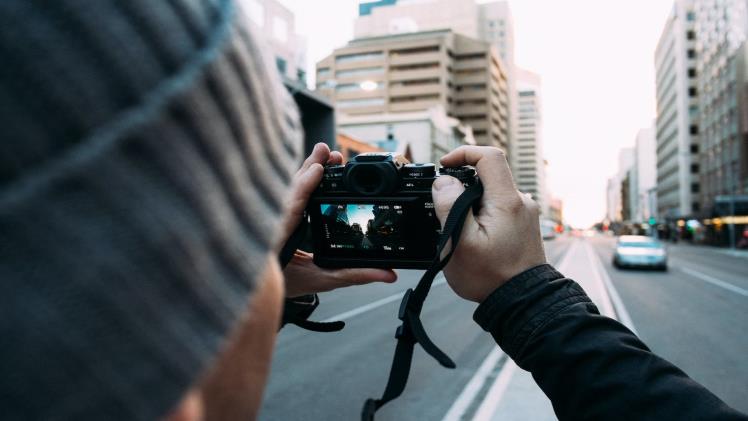


Capturing architectural wonders in different cities is a dream for many photographers, but it requires meticulous planning and a well-thought-out strategy. Alex Kleyner, the CEO and President of his own company and renowned for his architectural photography in cities like Miami and New York, shares his comprehensive travel checklist for architectural photographers. From equipment essentials to research tips, this guide will help you prepare for your next architectural photography adventure.
1. Camera Gear: The Essentials
Simply put, no one can start without the essentials. Camera gear can become costly, but shopping thrifty or used makes it much more affordable.
- DSLR Camera: Bring a reliable DSLR camera with manual settings for complete creative control.
- Lenses: Pack a variety of lenses, including wide-angle, standard, and telephoto, to adapt to different architectural styles.
- Tripod: A sturdy tripod is essential for long-exposure shots and ensuring sharp images.
- Remote Shutter Release: Prevent camera shake with a remote shutter or cable release.
- Filters: ND, polarizing, and UV filters offer creative options and protect your lens.
- Lens Cleaning Kit: Keep your glass clean for sharp, spot-free images.
2. Camera Accessories: The Must-Haves
Along with essentials, these must-haves should be invested in from the very beginning. It makes life easier for photographers hoping to capture anything worthwhile.
- Extra Batteries and Chargers: Ensure you have enough power throughout the day.
- Memory Cards: Pack ample storage, and consider high-speed cards for faster data writing.
- Lens Hood: Minimize lens flare and protect your lens from glare.
- Camera Bag: A quality camera bag keeps your gear organized and protected.
- Lighting Equipment: Include external flashes, speedlights, and modifiers for controlled lighting.
3. Research: Know Before You Go
The great thing about research is that many people can get by without spending money. All it takes is hard work and a passion for going the extra mile. Research should be a labor of love, even if it can sometimes become tedious.
- Location Research: Study the architectural landmarks in the city you plan to visit. Identify the best angles, times, and potential permits required.
- Sun Position Apps: Use apps to track the sun’s position and plan your shoots accordingly.
- Weather Forecasts: Check weather forecasts to prepare for outdoor shoots and to pack appropriately.
- Permit Requirements: Research if permits are needed to photograph certain buildings or areas.
4. Transportation and Accommodation
For people like Alex Kleyner, nailing transportation and accommodations is a must. He’s constantly visiting New York City, so proper arrangements will make the stay smoother. Architectural photographers must be savvy about travel, even within a city.
- Travel Arrangements: Book your flights, trains, or other means of transportation well in advance.
- Accommodation: Choose accommodation near the architectural sites you plan to capture.
- Transportation: Rent a car, consider public transit, or arrange for local transportation services.
5. Physical and Digital Maps
It’s easier than ever to use maps, so why ignore them? Most trust map apps on their phone or vehicle, but physical maps can be helpful if someone travels to an area without a consistent signal. National park trips to visits across the city, maps help make life less hectic.
- Paper Maps: Physical maps provide a backup in case digital devices fail.
- GPS and Mapping Apps: Use GPS and map apps for navigation and pinpointing specific locations.
6. Lighting Equipment: A Photographer’s Toolkit
Architectural photography needs perfect lighting to shine. Coming with the right lighting equipment will ensure that the ideal opportunity isn’t ruined.
- External Flashes: Bring external flashes to illuminate interiors or supplement natural light.
- Speedlights: Compact and versatile, speedlights offer on-the-go lighting solutions.
- Light Modifiers: Softboxes, diffusers, and reflectors help control and enhance light.
7. Cleaning and Maintenance Kit
Protecting equipment should be a top priority after spending so much money on equipment. Regular cleaning and maintenance go a long way.
- Lens Cleaning Kit: Dust and dirt can accumulate quickly; keep your lenses spotless.
- Sensor Cleaning Kit: Be prepared to clean your camera’s sensor if needed.
- Tools: Screwdrivers, lens spanners, and other tools for minor repairs.
8. Personal Comfort and Safety
It’s common for photographers to find themselves in weird positions to get the right shot. Keeping up with personal comfort and safety makes life easier.
- Comfortable Clothing: Dress appropriately for the weather and long hours on your feet.
- Hydration and Snacks: Stay nourished and hydrated during extended shoots.
- First Aid Kit: Basic medical supplies in case of minor accidents.
- Travel Insurance: Consider travel insurance for unexpected emergencies.
9. Backup Equipment and Data
It’s always a good idea to have a backup plan. From equipment to data, these can be lifesavers.
- Backup Camera: Have a backup camera in case of equipment failure.
- External Hard Drive: Back up your images daily to prevent data loss.
- Cloud Storage: Use cloud services for additional data backup.
10. Legal Considerations and Permits
The legal side of architectural photography could be more fun, but it ensures people don’t face trouble down the road. Ask around or research all legal parts of a photo shoot.
- Model Release Forms: If people are present in your shots, have model release forms ready.
- Property Release Forms: Ensure you have property release forms for private property shots.
- Building Permits: Apply for any necessary permits in advance.
11. Editing and Post-Production Tool
The work doesn’t stop after taking shots on-site. Next, editing and post-production tools help make a raw photo look professional.
- Laptop: Bring a laptop for on-the-go editing and image review.
- Editing Software: Install your preferred editing software for post-production.
- Calibration Tools: Ensure color accuracy with a monitor calibration tool.
12. Miscellaneous: Handy Extras
These extras are optional, but they do help in certain situations.
- Notepad and Pen: Take notes about locations, settings, and ideas.
- Multi-Tool: A multi-tool is versatile for quick adjustments and fixes.
- Earplugs: Earplugs can be a lifesaver in noisy urban environments.
13. Local Guides and Contacts
Nothing beats a local guide or a personal friend who might know a particular area very well. They can end up being one of the most valuable tools out there.
- Local Guides: Consider hiring local guides who are familiar with architectural gems.
- Contacts: Network with local photographers or professionals who can provide insights.
14. Patience and Adaptability
Finally, once the checklist is complete, there are two things to remember from a mindset perspective.
- Patience: Be patient in this field. Architectural photography often requires waiting for the perfect lighting and moments.
- Adaptability: Be flexible and ready to adapt to changing conditions.
Alex Kleyner’s Unique Perspective
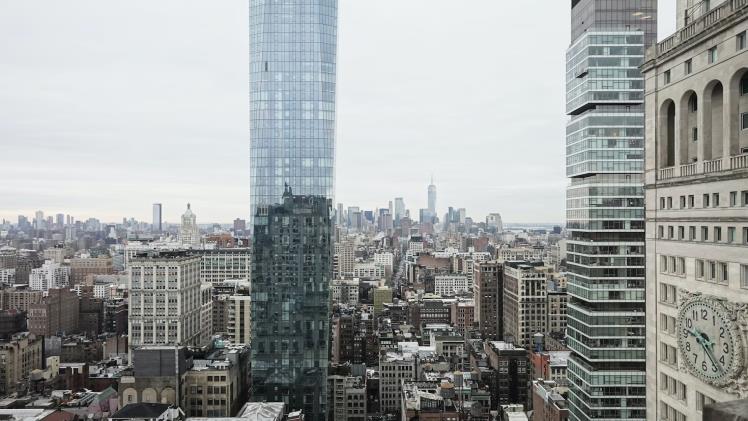
Alex Kleyner emphasizes the importance of thorough planning and organization for architectural photography, especially when traveling to new cities. He explains, “Having a comprehensive checklist ensures you’re well-prepared for every situation. It’s not just about the gear. It’s also about understanding the locations, the lighting, and the potential challenges.”
As a CEO and President with a national presence, Alex Kleyner knows the value of detailed planning. He adds, “Every city has its unique architectural relief, and your job as a photographer is to capture it in the best possible way. A checklist keeps you organized and focused on the creative process.”
Capturing architectural wonders in different cities is thrilling, and careful preparation is critical to achieving exceptional results. Whether you’re exploring the iconic buildings of Miami, New York, or any other city, following this checklist will help you stay organized, make the most of your trip, and capture architectural marvels with precision and artistic flair.