





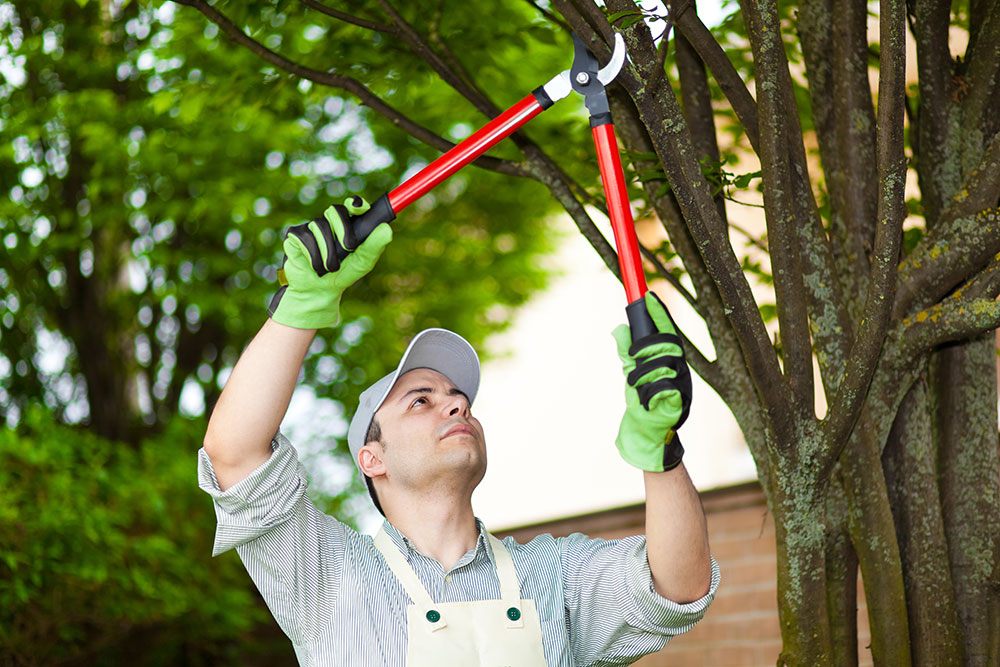


Tree pruning and trimming should be done regularly to improve your tree’s health and wellness. However, the trimming frequency will depend on several factors, including the tree’s age, health, season, and more.
Tree experts recommend that young trees be inspected and trimmed every 1 to 5 years, depending on their needs. Older trees can be trimmed less frequently, at about ten-year intervals. The trimming frequency may also depend on whether the tree fruits or not. Fruiting trees should be trimmed annually, or you can go to Evergreen Landscape Care & Tree Services for help determining the frequency with which your trees should be trimmed.
On the other hand, Evergreen trees require trimming less frequently, especially because they have a longer lifespan. However, they should be inspected and trimmed whenever there are diseased, dead, or weak branches that could compromise their health or cause safety issues.
What Is the Best Time of the Year to Trim Trees?
Tree trimming is best done during the winter months, between November and March. This is because winter months are marked by a dormancy period where the tree has shed its leaves, thus further exposing weak, diseased, pest-infested, or dead branches or limbs. In addition, trimming in the winter reduces the chances of disease attack or infection while also priming the tree for a new growth cycle when the warm weather arrives.
It’s rare to find trees being trimmed during the summer, except those trees are a risk to lives and properties. However, some tree trimming may be done in the late fall period, depending on the urgency.
What are the Benefits of Consistent Tree Pruning?
Consistent and proper pruning of trees offers numerous benefits. Not only does it improve your tree’s health, but also the environment. Below are some key advantages you may be missing out on by not trimming or pruning your trees when they’re due for it.
Improved Tree Health
One of the biggest advantages of tree trimming is its impact on tree health. Trimming helps remove dead, diseased, or dying branches, which can be a breeding ground for pests and diseases.
By removing the weak, damaged, or diseased branches, your tree can focus its nutrient supply on maintenance, growth, and development instead of healing and nursing diseased parts. In addition, removing those damaged or diseased parts reduces the risk of further problems.
Enhanced Structural Integrity
Tree trimming improves your tree’s health, which further improves its integrity. Trimming also helps get your tree in shape, thus encouraging a positive tree structure and eliminating crossing or rubbing branches. By doing this, you can effectively promote a stronger central stem that can withstand adverse weather conditions like strong storms and winds.
Encouraging a stable and structurally sound tree stem can also protect lives and properties from injuries or damage. You can be sure of a lower chance of tree falls or toppling over during inclement weather.
Increased Sunlight Exposure
Tree trimming focuses on identifying the strongest branches or limbs and promoting them. Doing this removes unnecessary or weak limbs that may also be competing for sunlight with healthier but lower branches.
This is especially important for trees in a canopy structure. Proper trimming ensures sunlight penetration to lower limbs and the surrounding landscape.
Encourages Fruiting
Fruit trees, in particular, benefit from regular pruning as it enhances the quality and quantity of fruit production. Removing excess branches and maintaining an open canopy improves sunlight penetration and air circulation, leading to healthier fruit development.
Risk Reduction
Trimming helps eliminate weak, hazardous branches that could fall and damage property or threaten people passing by. Trimming trees near buildings, roads, or power lines is especially important to minimize potential risks.
Disease and Pest Prevention
Removing dead or diseased branches through pruning can prevent the spread of diseases and deter pests from infesting the tree. This can further contribute to the tree’s health and keep surrounding trees and shrubs safe from infestations.
Aesthetic Appeal
A well-trimmed tree looks strong, healthy, and sturdy. All these add to the aesthetics of having a tree on your property. Not only does this boost the appeal, appearance, and value of your property, but it also contributes to the ecosystem around your home, as the tree may serve as a home or perching area for beautiful birds while also providing shade during summer.
Airflow and Ventilation
Pruning helps open the tree’s canopy, allowing better airflow and ventilation. This can reduce the risk of fungal infections and other diseases that thrive in stagnant, humid conditions. In addition, it can also improve air circulation around your property, especially as trees are known for turning human respiratory waste into clean oxygen.
With all the benefits of pruning, we can all agree that our trees are better for it. Reach out to a reliable landscaper to determine the right pruning frequency for your type of tree.


