






Tuning to sports stations to watch some athletic activities will expose you to athletes wearing multiple-colored tapes on certain parts of their bodies, extending from their necks to their feet. These unique tapes are called Kinesiology Tapes or Kinesio tapes, which you can shorten as k-tapes. Kinesiology sports tape was first developed by Dr. Kenzo Kase, a Japanese Chiropractor, in the 1970s, and since then, it has been used increasingly by athletes.
The initiative was to develop a product that would support athletes without limiting their movements, which is one of the deficiencies of traditional athletic tapes. Kinesiology tapes became globally popular when Olympic and professional athletes started wearing them, which led to the curiosity of what the kinesiology tape is, how it works, and who can use it. This article will give you a detailed explanation of what the kinesiology tape is and answer all your questions.
What Are Kinesiology Tapes?
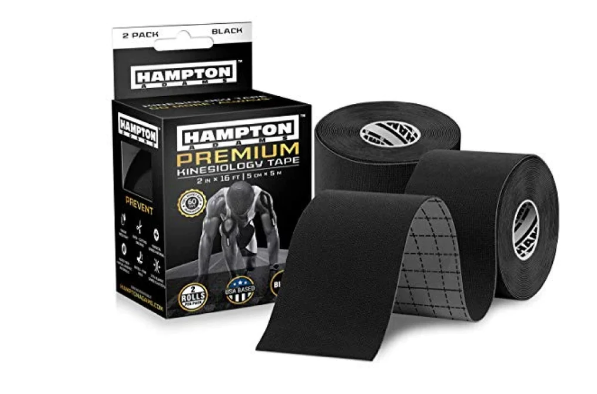
Kinesiology is the study of movement. It is a type of therapy that utilizes muscle monitoring to discover the causes of body imbalances and how to relieve them. The tapes comprise thin, elastic cotton stretching to about 140% of their original length. Therefore, applying and stretching the tape longer than its standard length will recoil and create a pulling force on your skin.
The elastic property of kinesiology sports tapes gives them a higher motion range than traditional white athletic tapes. And you can also wear them for long periods before reapplication. The cotton fibers of the kinesiology tapes improve evaporation and allow quicker drying, which means you can wear them for a more extended period – up to four days. The effect of kinesiology tapes on your body depends on where and how you apply them, including the shape and stretch direction.
Uses of Kinesiology Tapes
These tapes got their name from the functions they performed. Furthermore, they are pretty versatile and have several uses, including:
Treating Injuries
The use of kinesiology tape is frequent in medicine. Physiotherapists use kinesiology tape as part of the treatment plan for injured people, especially athletes. Kinesiology taping quickly resolves injuries involving soft tissues. Combining it with manual treatment further amplifies the treatment success rate. Muscular injuries, sprained ankles, tennis elbow (lateral epicondylitis), Achilles tendinitis, carpal tunnel, acute hamstring strain, and other injuries are quickly resolved by kinesiology taping.
Body Awareness
Kinesiology taping helps to train unhealthy body muscles and muscles that have lost functions. It helps to correct neck and head postures and even improves the health conditions of stroke patients, making them walk better. For posture correction, whenever you roll your head forward, wearing the kinesiology tape from the top of your shoulders toward your spine will help create a stretching feeling that keeps you aware of your body and makes you adjust yourself.
Enhancing Performance
The tape helps lift the skin, influencing the information that gets to the brain, including pain input. The advantage of this function is that it decreases your feelings of muscle tightness and pain from trigger points in your muscles. Furthermore, athletes are more confident when they wear kinesiology tapes, as they believe it represses their injuries and makes them bring out the best of their performances. This belief stems from the slight pressure and supports the kinesiology tape offers to painful muscles and unstable joints. It eventually leads to more powerful muscle contractions and more outstanding performance in the athlete.
Scar Management
Using kinesiology tape for scar management may sound non-plausible, but it works. You can wear kinesiology tapes over your closed scars to decrease pain, improve aesthetics, and improve the scar’s pliability. Scars usually affect how your skin’s soft tissues stretch and contract, which can influence your motion range in that particular area and limit your strength. However, when you tape over or around the scar, it massages the scar’s layers, thus improving the surrounding tissues and your overall movement in the scar’s region. However, you must never tape over an open wound or immature scar, especially those under six weeks.
Swelling Management
You can cut kinesiology tapes and manipulate them to reduce swelling in various body parts. In this case, the target for the taping is a swollen injured area of your body. You will cut the tape in a crossover pattern with strips. The concept behind using kinesiology tapes is that they lift the skin and create space between your skin layers. This spacing improves flow within your lymphatic system that runs through the connective tissues, allowing the body to respond appropriately to excess fluids that cause swelling.
Kinesiology Tapes and Other Athletic Tapes
Many people have the wrong notion that kinesiology tapes are a replacement for traditional athletic tapes. This belief is entirely false, as the two types of tapes have different functions.
When considering stability, athletic tapes are the best option. The reason is that athletic tapes are not as flexible as kinesiology tapes, making them more suitable for the stability and support required to treat some injuries. They limit motion due to their inflexibility, which also inhibits blood circulation. These tapes should not be used for extended periods to avoid further damage to the application site. Additionally, they are not water-resistant.
On the other hand, the flexible nature of kinesiology tapes allows motion, improves circulation, and reduces pain. You can use them for several days without worrying about damage to the application site, and they are also water-resistant.
The different types of tapes complement each other. For instance, you may use kinesiology tapes for specific injuries with bruising and swelling from trauma. The kinesiology tape allows blood flow to the affected area and inhibits swelling. You can also use athletic tape to stabilize the injury.
How to Apply Kinesiology Tapes
It is best to visit a medical expert with the appropriate training on applying kinesiology tape before you try putting it on yourself. Your physiotherapist will show you the best pattern of application that will suit your specific need and teach you how to apply it safely.
Follow These Steps to Apply the Tape
- Clean and dry the area, as oils and lotions will hinder the tape from sticking.
- Trim out dense hair, as they will prevent the tape from gripping your skin.
- Tear the backing paper at the center.
- Cut out rounded corners at the ends of the strips, as they help keep the tape longer.
- When applying the first tab to anchor the strip, let its end recoil after removing the backing paper.
- Hold the tape with your fingers on the packing paper, as holding the adhesive side will reduce its sticking efficiency.
- Place the length of your thumb across the tape to obtain an even stretch while stretching the tape.
- Rub the strip for some time after applying the tape because heat helps to activate the glue.
- Full adhesion will take about 20 minutes.
When Should I not Use Kinesiology Tapes?
Having read up until now, you might be anticipating taping kinesiology tapes on your body for your subsequent athletic activities. However, there are certain conditions where using kinesiology tapes is not advisable. These conditions include:
- Cancer: Kinesiology tapes improve blood circulation to parts of your body. This function could be dangerous for cancer patients, as blood supply to cancerous cells can worsen their condition.
- Allergy: Your skin may be sensitive to certain parts of the kinesiology tape, like the adhesives. In such cases, avoid wearing kinesiology tapes, as they can trigger strong reactions.
- Diabetes: Diabetes can damage your nerves, which can cause reduced sensitivity in certain parts of your body, so you shouldn’t use kinesiology tapes, as you may not notice a reaction to them.
- Deep Vein Thrombosis: This occurs when blood clots block your veins. Wearing kinesiology tapes in this condition will improve your blood circulation and lead to the dislodgement of the blood clot, which can be fatal.
- Open Wounds: Using tape over scars is an advisable practice. However, it is best never to use tape over an open wound, as that can cause skin damage and infection, which may cause other fatal conditions.
- Fragile Skin: If your skin is susceptible to tearing and cutting, it is best to avoid wearing kinesiology tapes and even other types of tapes.
- Lymph Node Removal: Increasing circulation when you have a missing or removed lymph node can lead to swelling.
Deciding to wear kinesiology tapes is not up to you. You should consult a medical expert to examine and guide you on what is best for you.
In Case You Missed It
Thanks to their versatility, Kinesiology tapes have become integral to athletics and physiotherapy. They help strengthen muscles, treat injuries, manage scars, etc. Nonetheless, you should consider their benefits with a recommendation by a medical expert, as doing otherwise could be counter-productive. However, if your doctor recommends it, rest assured that Hampton Adams has tested and trusted kinesiology tapes to address your needs. Feel free to visit hamptonadams.com for more inquiries.


