





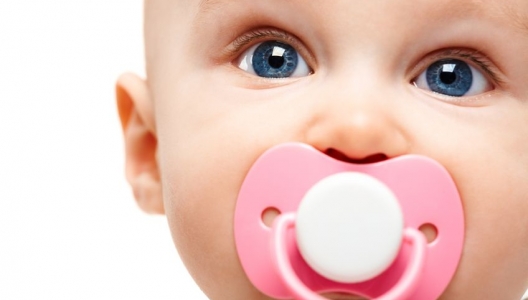


Pacifiers can be invaluable for soothing fussy babies. However, prolonged pacifier use and improper sucking habits can negatively impact oral development leading to dental issues later. This is why orthodontic pacifiers are growing in popularity among parents wanting to promote healthy oral growth while meeting babies’ sucking needs. Read on to learn how to promote healthy oral development with orthodontic pacifiers support proper jaw, palate and tooth formation compared to regular pacifiers.
Understand Issues with Conventional Pacifiers
Traditional pacifiers allow intense sucking and pressure on the front teeth and jaws. Babies then compensate by thrusting their tongue against the pacifier nipple. This locks the lower jaw backwards leading to a narrow upper jaw. It also exerts uneven forces causing the upper front teeth to flare out. Such improper development of the jaws, palate and teeth result in dental complications like crossbites, overbites and spacing issues. This is why unrestrained pacifier use beyond infancy requires expensive orthodontic treatment later to correct oral defects.
Orthodontic pacifiers are designed keeping natural sucking motions in mind. They allow appropriate developmental stimulus to the entire mouth ensuring healthy growth of jaw bones, palate, gums and emerging teeth. This also prevents disturbation of the airway helping babies breathe properly. Limiting use by 12-18 months remains ideal. But with orthodontic pacifiers, extended sucking urges get satisfied without oral health tradeoffs.
Guide Natural Tongue Posture
Unlike regular nipples, orthodontic pacifiers feature a flat or concave shape. This guides the tongue into the correct upward resting posture instead of unnaturally thrusting forward. The thin flat base sits comfortably under the tongue preventing it from dysfunctionally pushing against the pacifier. This allows jaws to settle into their ideal position facilitating proper airway development.
Promote Symmetrical Jaw Growth
Conventional pacifiers force uneven pressure on the upper jaw where it presses against the pacifier guard. This causes asymmetric growth leading to a misaligned bite. Orthodontic pacifiers utilize flatten guards minimizing this abnormal pressure.
Prevent Palatal Narrowing
Prolonged use of normal pacifiers puts excessive downward pressure on the palatal bones causing the upper jaw to constrict. Orthodontic pacifiers do not allow such destructive forces on the developing palate. Their flattened design gives more room allowing the jaw bones and palatal complex to grow to their full size and width. This maintains the broad U-shaped dental arch critical for housing all permanent teeth.
Guide Proper Tooth Eruption
Untamed pacifier sucking patterns can prompt malposed tooth buds leading to severe eruption problems. This shows up as lack of space, sharp twisting or overlap with other adult teeth later. Orthodontic pacifiers minimize such risks by ensuring sucking does not displace developing teeth from their sockets pre-eruption.
Combine with Parental Supervision
While orthodontic pacifiers minimize oral risks, they cannot replace parental responsibility. Avoid using pacifiers beyond the first year whenever possible. Ensure thorough cleaning and replacement by 6-12 months to prevent bacterial buildup damaging newly erupted teeth. Routine dental visits starting by age 1 also allows early detection and correction of emerging problems.
Conclusion
Orthodontic pacifiers stimulate favourable jaw, palate and dental development compared to traditional varieties. Their strategic shape, even guard distribution and control of forces minimize the considerable oral risks posed by unrestrained sucking. When combined with parental supervision, such pacifiers can satisfy babies’ sucking urges while nurturing proper maturity of their tooth and mouth structures. Do choose pacifier designs keeping long-term oral wellbeing in mind right from the start. With sensible use, orthodontic pacifiers can prevent extensive orthodontic correction need later.


