





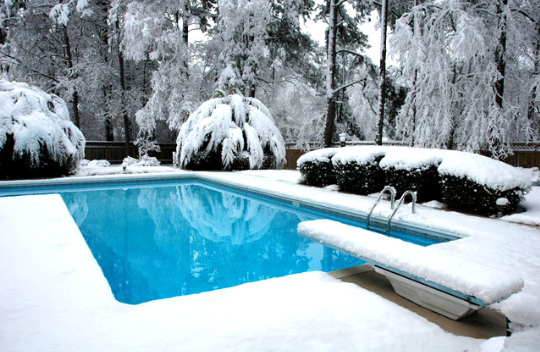


As the vibrant days of summer fade into memory, it’s time to shift our focus from poolside lounging to winterizing our beloved swimming pools. Properly preparing your pool for winter ensures that it emerges from its hibernation period in optimal condition, ready for another season of aquatic enjoyment. In this article, we’ll explore the essential dos and don’ts of winterizing your pool, guiding you through the process for a smooth transition into the colder months.
The Dos of Winterizing Your Pool
1. Start Early
Begin the winterization process well before the first frost. Starting early allows ample time to address any issues and ensures a thorough preparation.
2. Balance the Water Chemistry
Achieve proper water balance by adjusting pH, alkalinity, and calcium levels. This prevents corrosion, scale buildup, and algae growth during the dormant months.
3. Shock the Pool
Administer a pool shock treatment to eliminate any lingering contaminants. This ensures that your pool enters hibernation with clean and sanitized water.
4. Clean and Vacuum
Thoroughly clean the pool, including skimming, brushing the walls, and vacuuming the floor. This prevents debris and organic matter from decomposing over winter.
5. Lower the Water Level
Lower the water level to below the skimmer and return jets. This prevents potential damage from freezing and thawing.
6. Winterize Pool Equipment
Remove and store any removable pool equipment, such as ladders, baskets, and hoses. Properly winterize non-removable equipment like pumps, filters, and heaters.
7. Add Winter Chemicals
Introduce winterizing chemicals like algaecide and winterizing kits. These products provide an additional layer of protection against algae growth and staining.
8. Install a Winter Cover
Invest in a durable and properly fitting winter cover. This protects your pool from debris, sunlight, and helps maintain water quality during the winter months.
The Don’ts of Winterizing Your Pool
1. Don’t Empty the Pool Completely
While lowering the water level is crucial, completely draining the pool can lead to structural damage, especially in vinyl or fiberglass pools.
2. Avoid Draining Water Below the Skimmer Line
Draining below the skimmer line can lead to air pockets forming, potentially causing damage to the pool’s plumbing system.
3. Don’t Neglect Water Balance
Failing to balance the water’s chemistry can result in corrosive or scale-forming conditions, potentially damaging pool surfaces and equipment.
4. Avoid Using a Regular Tarp as a Cover
Using a regular tarp or inadequate cover won’t provide the necessary protection against debris and winter weather conditions.
5. Don’t Skip the Shock Treatment
Neglecting to shock the pool before winter can leave behind organic contaminants that may lead to water quality issues and increased maintenance come spring.
6. Avoid Neglecting Pool Equipment
Failing to properly winterize pool equipment can result in damage from freezing temperatures and potentially costly repairs in the spring.
7. Don’t Assume All Covers are the Same
Ensure you choose a winter cover designed for your specific pool type (e.g., inground, above ground) and size. Ill-fitting covers may not provide adequate protection.
By following these dos and don’ts, you’ll be well-equipped to prepare your pool for winter effectively. Remember, a well-maintained and properly winterized pool not only ensures its longevity but also sets the stage for a seamless reopening in the spring, allowing you to dive back into the joys of pool ownership with ease.


