







Welcoming a new furry family member is always exciting, but it’s also essential to be prepared for unexpected events, such as surgery. If your dog requires surgery, you must ensure you’re ready to take care of them during recovery. It includes preparing your home for their post-surgical needs. Make pet travel a breeze with trusted virgin pet travel services only post-surgery, if required. Experience peace of mind knowing that your pets are in the hands of experienced professionals dedicated to their well-being.
This article will provide all the information you need to know to ensure your home is ready for your dog’s post-surgical recovery. In addition, this article will help you prepare your home to give your furry friend the care they need to recover successfully.
1. Create a Designated Recovery Space
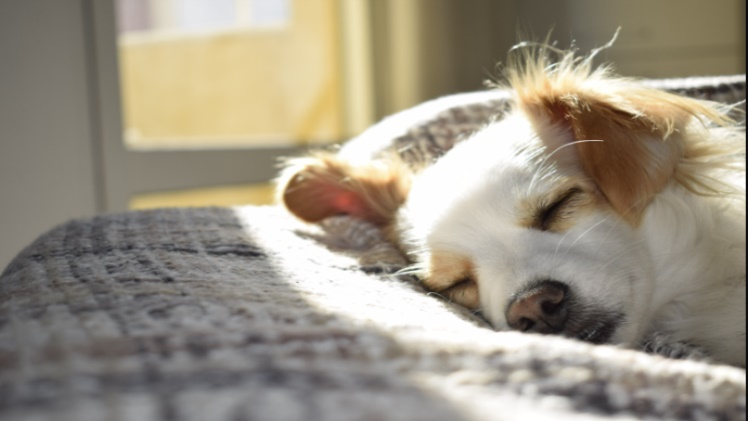
This space should be comfortable, quiet, and away from other pets or children that may disturb them. It should also be easy to clean and have a soft, supportive surface. The recovery space should be in a quiet part of your home, away from distractions or noise. It’s also essential to keep the area at a comfortable temperature.
Provide a soft and supportive surface to lie on during their recovery period. For example, you can use a dog bed or a crate with a soft mat or blanket. Avoid using a bed with a high lip or sides, as it may be difficult for your dog to climb in and out of it.
If you have other pets or children, create a barrier around the recovery space. And don’t forget to provide plenty of love and attention to your dog during this time to ensure a smooth and successful recovery.
2. Stock up on Necessary Supplies and Medications
In addition to the supplies like food and water bowls, leashes, and collars, keep an extra supply of medications near the recovery space. Here are some supplies and medications you may need:
- Elizabethan collar: An Elizabethan collar is a device that prevents your dog from licking or biting its incision site, which can lead to infection.
- Food and water bowls: You must provide your dog with fresh water and food during their recovery period. Make sure the bowls are clean and easily accessible.
- Cleaning supplies: Keeping the recovery space clean and sanitary is crucial for your dog’s recovery. You’ll need cleaning supplies such as disinfectants, paper towels, and trash bags to dispose of any waste.
- Pain medications: Your veterinarian may prescribe medications to manage your dog’s pain after surgery. One medication that your veterinarian may prescribe for your dog’s post-surgical pain management is Quellin.
Quellin is an NSAID drug that is non-steroidal and helps to alleviate pain and inflammation in dogs. In addition to being an NSAID, there are many benefits of Quellin for pets. It is specifically formulated for dogs and has been shown to have fewer side effects.
3. Limit Your Dog’s Activity
Once your dog has been discharged from the hospital, it will likely still be on a leash and in a crate at home. According to the Center for Dog Pain Relief, a dog takes 10-14 days to recover from incisions with stitches. After 1-14 days, the stitches can resist stretches. Therefore, parents must ensure their pet does not get injured further while recovering from surgery.
The best way to ensure your dog doesn’t run around too much during this period is by keeping them in a crate or leash. Keeping your dog quiet for several days after surgery is also crucial. While it’s tempting to let them out of their crate or leash them outside, it’s best to keep them inside with you so that they don’t move around too much.
4. Follow Post-Surgical Care Instructions
Follow the vet’s instructions in the letter. If they say your dog needs to rest and be quiet, you should keep them in a crate or on a leash when they are not sleeping. Do not let them jump or play too much, even if it seems like they are feeling better. The stitches can break open if there is too much activity around them.
After the surgery, your veterinarian will typically arrange for subsequent appointments to evaluate your dog’s recovery and healing process. Make sure to attend these appointments and communicate any concerns you may have.
According to Forbes, regularly visiting and following your vet’s instructions is one of the best ways to ensure your pet’s health. Regular visits enable your vet to examine your pet and give you advice if there is any health concern. Also, after post-surgery, if you follow the vet’s instructions, your dog will go through this surgery with flying colors.
5. Be Prepared for Potential Complications
Complications can occur even with the best care and attention, and it’s crucial to be prepared to handle them. Here are some potential complications you should be aware of:
- Infection: Infection can occur at the incision site or in other body parts. Signs of infection include redness, swelling, discharge, and fever.
- Delayed healing: Delayed healing can occur for several reasons, including poor nutrition, underlying health conditions, or insufficient rest.
- Bleeding: If you notice any signs of bleeding, such as blood in their urine or stool, contact your veterinarian immediately.
- Allergic reactions: Some dogs can react to medications or other substances. Signs of an allergic reaction include hives, difficulty breathing, and swelling of the face or paws.
6. Maintain Proper Communication with Your Vet
It’s crucial to follow your veterinarian’s guidance to care for your dog and monitor their progress to ensure they have a successful recovery. Make sure to keep your veterinarian updated on any changes in your dog’s condition, such as appetite, behavior, or activity level.
Don’t hesitate to ask any questions about your dog’s recovery. You must disclose any previous illness your dog has been through earlier. You must also disclose if your pet is on medication like etodolac, deracoxib, and aspirin. According to PetRx, an online drug pharmacy, it can show a critical side effect on an operated dog if the vet unknowingly prescribes painkillers like Quellin with these medications.
Statista reports that in the United States, around 66% of households have at least one pet. However, the number of practicing veterinarians is limited compared to the number of pets in the country. Therefore, it is crucial to maintain open communication with your veterinarian to ensure that your furry friend receives the necessary care.
Your Furry Companions Rely on You to Meet Their Needs
Preparing your home for your dog’s post-surgical needs can seem overwhelming, but with proper planning, you can help your pet recover successfully.
Remember to follow your veterinarian’s instructions and seek guidance if you have any questions or concerns. Then, with love, care, and attention, you can help your furry friend heal and return to their happy, healthy self.
Your dog is a cherished family member, and they rely on you to provide the care they need. Following the tips outlined in this article ensures that your dog has a comfortable, safe, and speedy recovery.


