





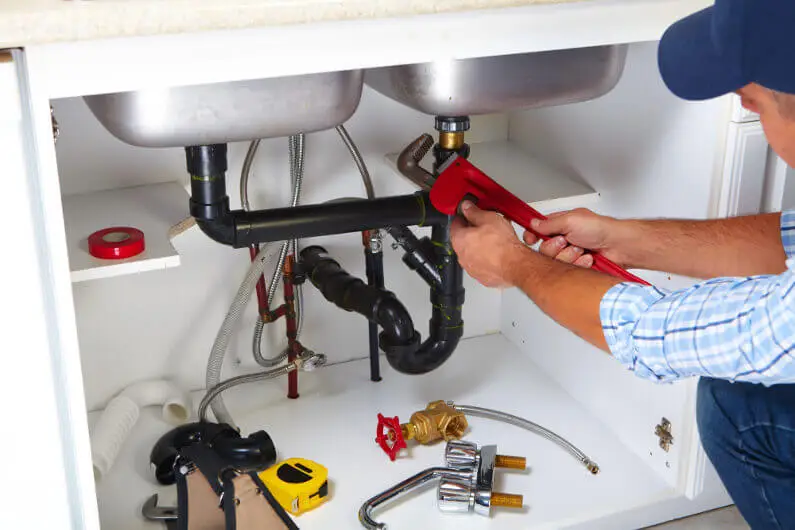


Introduction:
Ah, the charm of older homes! With their unique character, creaky floorboards, and antique fixtures, they truly hold a special place in our hearts. However, if your abode is a seasoned veteran in the housing game, you might find yourself dealing with some plumbing quirks. Fear not! This guide offers some friendly plumbing tips to keep the water flowing smoothly in your vintage haven.
1. Embrace the Drips and Drops:
Older homes often come with their fair share of minor leaks and drips. Rather than viewing them as nuisances, consider them endearing quirks that add character to your dwelling. Search for any leaks and address them promptly to mitigate the risk of water damage and reduce the likelihood of incurring high water bills.
2. Insulate to Regulate:
Vintage homes might not have the insulation prowess of their modern counterparts. Shielding your pipes can help avoid freezing on cold winter evenings. Wrap exposed pipes with foam insulation to keep them cozy and avoid surprises when the mercury drops.
3. Befriend the Plunger:
A plunger is your best friend in the realm of plumbing. Investing in a good-quality plunger for older homes with aging pipes can save you from the hassle of calling in an accredited plumbing specialist whenever there’s a minor blockage. Keep one handy in the bathroom and another in the kitchen, just in case.
4. Care for Your Water Heater:
Vintage water heaters are like the wise elders of your plumbing system. Treat them well; they’ll provide warm, soothing showers for years. Regularly flush the tank to eliminate sediment accumulation, and contemplate adding insulation to enhance its efficiency. Should you observe indications of aging in your water heater, considering an upgrade to a more energy-efficient model could prove beneficial.
5. Respect the Galvanized Guests:
Many older homes feature galvanized steel pipes, which, while durable, can succumb to corrosion over time. Look for signs of rust, and consider replacing galvanized pipes with copper or PVC to improve water quality and prevent leaks.
6. Mindful Drain Habits:
Avoid letting grease drain in the kitchen – it’s a recipe for clogs. For bathrooms, use a hair catcher to prevent clumps of hair and soap scum from turning into stubborn blockages. Engaging in minor preventative maintenance significantly contributes to the overall well-being of your plumbing system.
7. Schedule a Check-Up:
Just like an annual physical for you, your older home’s plumbing could use a regular check-up, too. Engage the services of a skilled plumber to examine your pipes, identify potential issues, and carry out essential maintenance. Adopting this proactive approach can prevent you from incurring expensive repairs later on.
8. Gentle on the Fixtures:
The taps and fittings in vintage residences might possess a more delicate nature compared to their contemporary equivalents. It is advisable to treat them gently to prevent unwarranted deterioration and damage. If you notice any drips, tighten loose fittings promptly. Consider upgrading to newer, water-efficient fixtures that add a touch of modernity and help conserve water.
9. Be Mindful of Tree Roots:
Mature trees surrounding your older home can be beautiful, but their roots may seek out your plumbing system. Tree roots may penetrate and harm pipes as time passes, resulting in obstructions and leaks. Keep an eye on tree growth, and if you notice any signs of trouble, consult an arborist or plumber to address the issue without sacrificing your beloved greenery.
10. Upgrade the Sewer System:
Aging residences frequently feature sewer lines constructed from clay or cast iron, which can degrade with time. Consider replacing these outdated pipes with modern, durable materials like PVC. Upgrading your sewer system not only prevents potential sewage backups but also enhances the overall reliability of your plumbing.
11. Install Pressure Regulators:
High water pressure can wreak havoc on your plumbing, causing leaks and damaging appliances. If your older home lacks a pressure regulator, consider installing one to keep the water pressure safe and steady. This modest investment can significantly prevent premature wear and tear on your pipes.
In Conclusion:
Taking care of the plumbing in your older home is like tending to a vintage garden – it requires a blend of appreciation and attentive care. By incorporating these additional tips into your maintenance routine, you’ll ensure that your plumbing system stands the test of time, allowing you to enjoy the unique charm of your vintage abode for many more years to come. Happy plumbing!


