




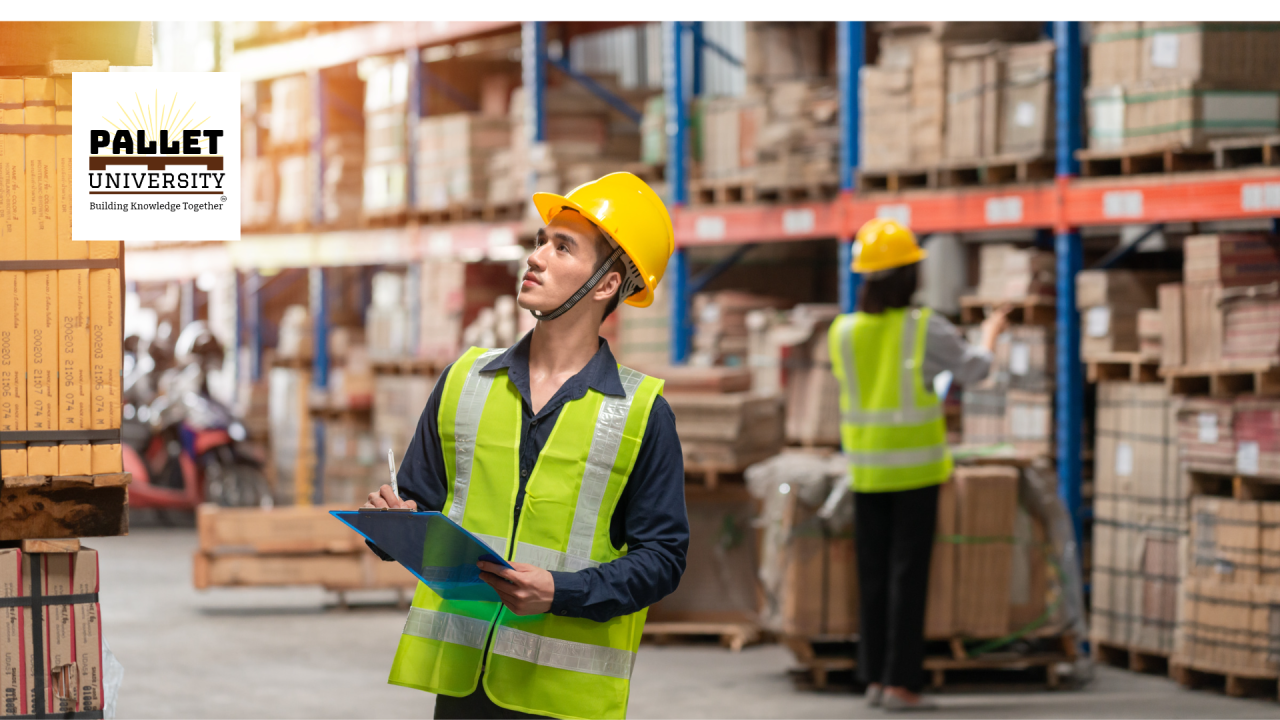


A pallet is a flat transport structure that supports goods in a stable fashion while being lifted by a forklift, a pallet jack, a front loader, a jitney or a crane. Pallets are critical components of modern supply chains allowing for efficient warehousing and distribution of cargo. They serve as the foundation for stacking products both for storage and transport. While once made primarily of wood, pallets today can be constructed from several materials including plastic, metal, paper and wood.
History and Evolution of the Pallet
Wooden pallets have been used since the early 20th century for shipment of goods. As technology advanced across industries, demand grew for standardized and more durable pallet types. In the 1930s, wooden pallets started to become the preferred platform for handling goods due to their durability, strength and ability to efficiently use warehouse space through stacking. The 1940s saw the emergence of different pallet styles such as stringer pallets and block pallets optimized for stacking multiple levels high. Standard pallet sizes were also established during this period. The 1950s marked a shift towards mechanical handling equipment like forklifts and pallet jacks, further cementing the role of pallets in logistics. Plastic and corrugated pallets debuted in the 1960s offering improved durability and recyclability over wood. Today pallet production involves precision construction techniques and advanced materials to meet evolving industry demands.
Different Types of Pallets
The choice of pallet depends on factors like expected load weight, handling requirements, environmental conditions and recycling/disposal needs. Coherent Market Insights in Pallet Market describes some common pallet types as following:
- Wooden Pallets: Made from several wood types including pine, hardwood or engineered wood, wooden pallets are reusable, economical and offer good strength. However, they are prone to splintering, weather damage and pest infestation requiring repair or replacement.
- Plastic Pallets: Constructed from materials like high-density polyethylene (HDPE), plastic pallets are very durable, corrosion and weather resistant. They do not splinter or absorb moisture. However, plastic pallets have a higher upfront cost compared to wood.
- Corrugated Pallets: Similar to plastic pallets in performance, corrugated pallets made of recycled paper provide an eco-friendly and lightweight alternative. However, their load capacity is lower than plastic or wood.
- Metal Pallets: Made from steel, aluminum or other metals, metal pallets can withstand heavy loads, extreme temperatures and harsh chemicals. They have an extremely long lifespan but are more expensive than other options.
- Paper Pallets: Constructed from recycled corrugated paper or cardboard, paper pallets are lightweight, recyclable and cheaper than plastic. However, their load capacity is the lowest among pallet types.
Pallet Standards and Dimensions
International pallet pool systems that allow sharing of pallets across countries require standard pallet sizes for compatibility with material handling equipment. Some of the most common standards include:
- EUR Pallet: 1200 mm x 800 mm – The largest selling pallet type in the world commonly used to handle loads up to 1000 kgs in Europe.
- UK Pallet: 1200 mm x 1000 mm – Standard size for the United Kingdom and construction allows for greater load capacities.
- US Pallet: 48 inches x 40 inches (1219 mm x 1016 mm) – Defines pallet dimensions for the North American market with maximum loads of 1500 lbs.
There are also pallet sizes meant for specific industries and regions optimized to loads and handling needs. Adhering to standards facilitates ease of use across supply chains.
Pallet Materials Handling and Applications
Pallets play a critical role in the modern warehousing, distribution and manufacturing sectors by allowing for efficient storage and transport of products using pallet jack trucks, forklifts, conveyor belts and other automated material handling systems. Some key pallet applications include:
- Warehousing – Pallets allow storage of goods stacked multiple layers high indoors and outdoors maximizing space utilization. They facilitate retrieval and order fulfillment using forklifts.
- Transportation– Trucks, trains and ships transport pallets efficiently leveraging mechanical loading and space. Standard pallet sizes boost intermodal transport compatibility.
- Manufacturing – Raw materials, work-in-progress and finished goods traveling on an assembly line or between production stages commonly use pallets. Automated handling is common.
- Retail Distribution – Products get shipped to retail distribution centers and stores on pallets using trucks and cargo trains. This boosts supply chain efficiency.
- E-commerce – Online retailers leverage standard pallet sizes for warehousing, order fulfillment and shipping using mechanized material handling systems.
Pallets optimize industrial processes by facilitating mechanized intralogistics across all stages from procurement to end consumer. Their universal compatibility is key to integrated global supply chain management.
Pallet Market Outlook
As per research conducted by Coherent Market Insights, the global pallet market was estimated at around 140 billion units in 2021 with Western Europe being the dominant region driven by stringent regulations and reuse standards. Strong growth is projected across developing Asian economies and the North American region supported by rising e-commerce activities, a resurgent manufacturing sector and investments into supply chain infrastructure modernization.
Factors such as growth in international trade volumes, demand from industrial and consumer packaging applications, expanded pallet pooling networks and adoption of pallet rental services are expected to drive global market revenues upwards in the coming years. Standardization efforts, reusable pallet promotion policies and advances in material science will support further innovation and uptake of more sustainable pallet solutions. Overall, the market outlook remains positive, attributed to fundamentals of increasing global logistics activities and investments towards supply chain efficiency.
In summary, pallets form the core platform technology underlying modern materials handling systems. Their universal compatibility, load-bearing capacity and ability to facilitate mechanized logistical processes make pallets indispensable across industries. Continuous innovation in material types, designs, tracking tools and reuse models will see the pallet ecosystem evolve to support emerging logistical needs. Adherence to standards along with investments in reverse logistics will drive broader sustainability as well. As global supply chains proliferate further, so will reliance on pallets to carry goods efficiently between production and consumption destinations worldwide.


