





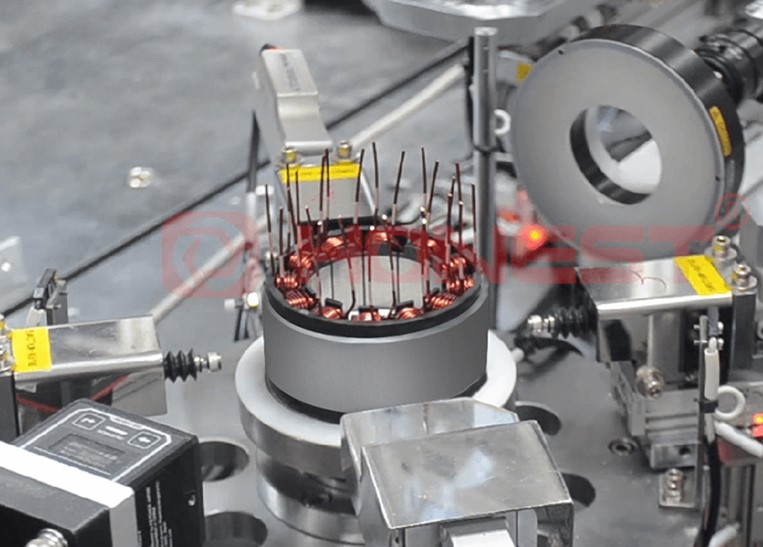


Motor winding is a critical process in the manufacturing of electrical equipment such as motors, generators, and transformers. This intricate process involves the precise arrangement of copper or aluminum wires around a magnetic core, ensuring efficient energy transfer and optimal performance. Motor winding machines have revolutionized this process, automating and streamlining it to improve productivity, accuracy, and consistency. In this article, we will delve into the world of motor winding machines, exploring their functions, benefits, and advancements.
Function and Operation:
Motor winding machines are specialized equipment designed to automate the winding process, enabling manufacturers to produce coils with precision and efficiency. These machines consist of a rotating spindle or armature that holds the core, a wire feeding mechanism, and various components for wire tensioning and insulation.
The process begins by feeding the wire from a spool through a series of guides, tensioners, and straighteners to ensure smooth and even wire placement. The machine then rotates the core at a predetermined speed while simultaneously controlling the wire’s tension, ensuring uniform winding. The wire is wound in layers, with insulation materials inserted at specific intervals to prevent short circuits.
Types of Motor Winding Machines:
There are different types of motor winding machines available, each catering to specific requirements based on the motor type, size, and application. Some common types include:
Manual Motor Winding Machines: These machines require manual intervention at various stages of the winding process. While they offer flexibility, they are generally used for low-volume production or for repairs and customization.
Semi-Automatic Motor Winding Machines: These machines combine manual operations with automated functions, allowing operators to perform tasks such as wire feeding and insulation placement while automating the winding process. They strike a balance between flexibility and productivity.
Fully Automatic Motor Winding Machines: These advanced machines are capable of handling high-volume production with minimal human intervention. They feature programmable controls and advanced sensors to monitor tension, speed, and wire placement, ensuring precise winding every time. They are ideal for large-scale manufacturing operations.
Benefits of Motor Winding Machines:
The adoption of motor coil winding machine brings several benefits to manufacturers, including:
Enhanced Productivity: Motor winding machines significantly increase productivity by automating repetitive tasks, reducing manual labor, and minimizing production time. They enable manufacturers to meet demanding production schedules and increase overall output.
Improved Accuracy and Consistency: These machines ensure precise and consistent winding, eliminating human errors and inconsistencies. The automated tensioning and wire placement mechanisms guarantee uniform winding layers, resulting in reliable and high-quality coils.
Cost Savings: Motor coil winding machines optimize material usage by reducing wire waste and minimizing errors that can lead to rework or scrap. Moreover, their high-speed operation and efficient utilization of resources translate into cost savings for manufacturers.
Increased Flexibility: Modern motor winding machines come with programmable controls, allowing manufacturers to easily switch between different winding patterns and configurations. This flexibility enables the production of a wide range of motors for various applications.
Conclusion:
Motor winding machines have revolutionized the manufacturing process of electrical equipment, offering enhanced productivity, accuracy, and flexibility. From manual and semi-automatic machines to fully automated systems, manufacturers can choose the most suitable option based on their production requirements. With ongoing advancements in automation and digital technologies, motor winding machines are poised to further optimize the manufacturing process and drive innovation in the electrical equipment industry.


