





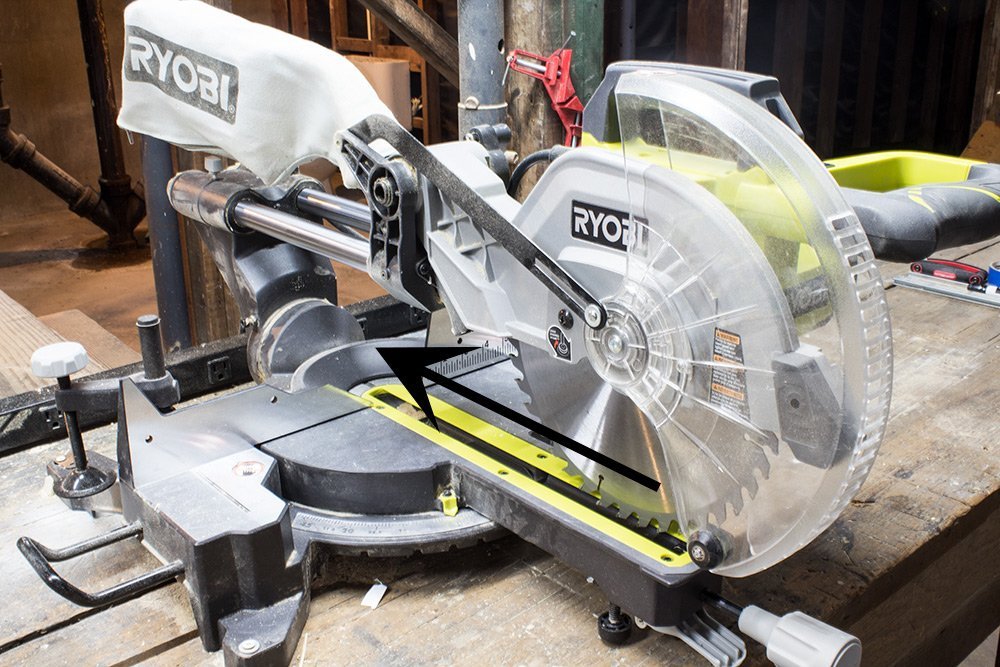


Whether you are a budding woodwork enthusiast or a fresh-faced DIYer looking at your first home improvement project, you’ll have found yourself knee-deep in the world of power tools. Drill drivers and multi-tools are common pieces of equipment for such handiworks, but there are some undertakings that require something a little more heavy-duty; enter the mitre saw.
Mitre saws are high-powered cutting implements, that use a circular saw blade to cut materials at a pre-set angle. These can be used for a wide variety of purposes, whether cutting studs down to size, cutting skirting boards to fit flush in corners, or fashioning door trims.
Familiarise Yourself With the Saw
Mitre saws are specialised tools, with specific use cases and unique operational mechanisms. As such, using one is not quite as simple as operating a powered hand tool; the risk of injury is far higher, and rendered all the higher where unfamiliarity with the tool is a possibility.
Features can also differ between brands of saw. Milwaukee mitre saws have a proprietary POWERSTATE motor that can provide more power than other models, knowledge of which can be instrumental to safe use. Generally speaking, though, there are features such as quick-release fences and double-locking mechanisms that need to be understood before proper use.
Keep Hands Six Inches from the Blade
As a mitre saw user, there are some essential tips for preventing injury. Chief amongst these is to keep your hands six inches from the blade at all times. Operating the saw by its handle ensures this, but there may be a temptation to hold or manipulate the materials you are cutting while operating the saw. Doing this invites the risk of slipping and cutting yourself on the saw.
Do Not Attempt to Cut Small Materials
By that same token, you should avoid attempting to cut short or small materials with a mitre saw. Producing small, precise parts – as with irregular end-pieces for hardwood flooring – is best left to hand tools. Not only can such precise cuts require you to place your hand dangerously close to the blade, but the pieces themselves can fly off the blade in an unpredictable manner, risking injury to the hands, to the face or even to the eyes.
Replace the Blade Often
The sharpness of your mitre saw’s blade is the predominant concern when using a mitre saw safely, but so too is its dullness. Saw blades can become dull quicker than one might anticipate, particularly if cutting non-wood materials on a regular basis. A dull saw blade will cut slower, and might prompt you to apply dangerous levels of pressure when attempting a cut – in turn, risking displacement of the material or even shattering of the saw blade itself.


