





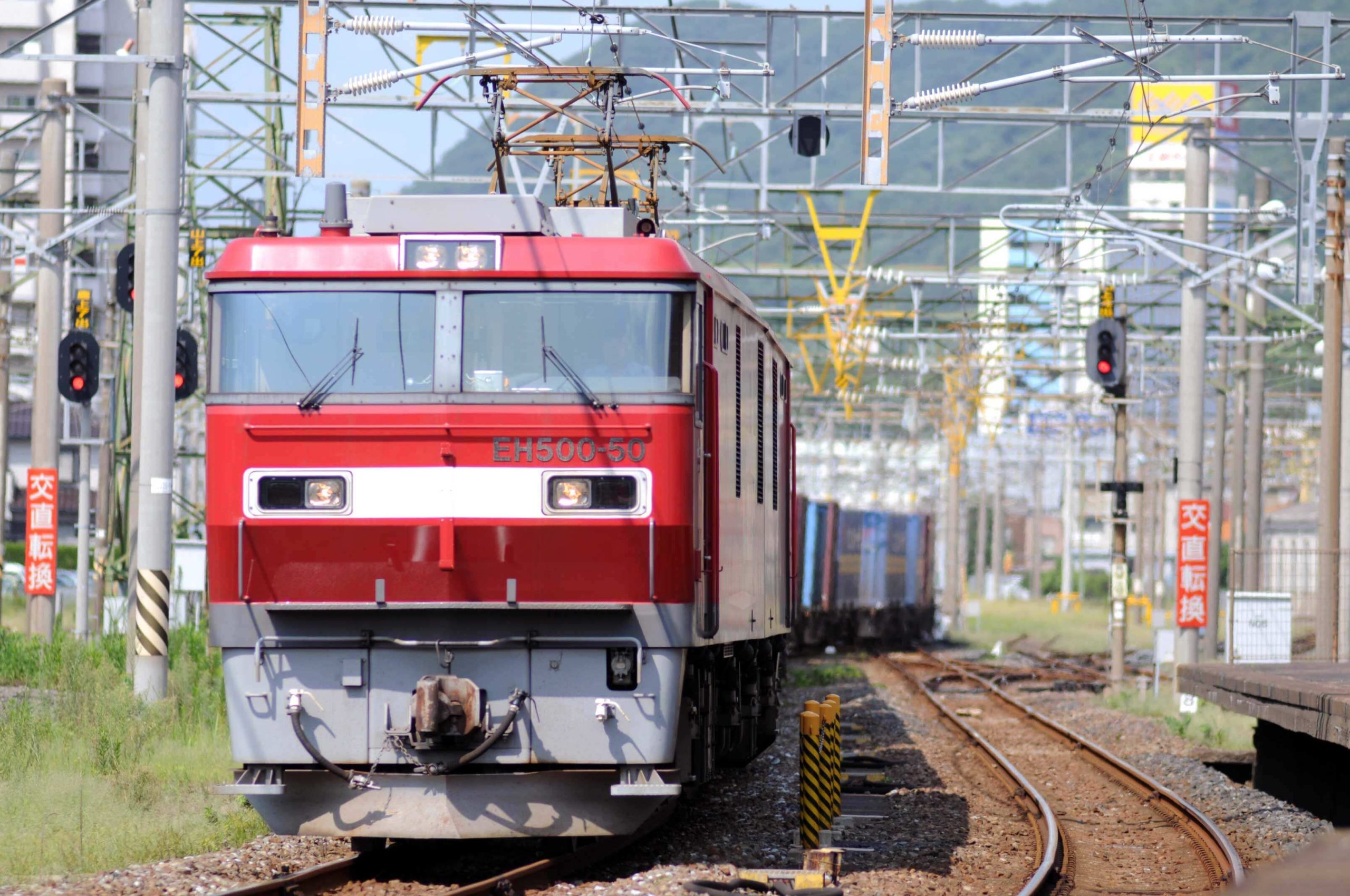


Japan has one of the most extensive rail networks in the world. While passenger traffic enjoys a large modal share, rail freight transport in Japan also plays a crucial role in the country’s economy. In this article, we discuss the various aspects of Japan’s rail freight sector including its operations, key players and market outlook.
History and Development
Rail transport has a long history in Japan dating back to 1872 with the opening of the first railway line between Shinbashi and Yokohama. Initially rail lines were primarily built to transport passengers. However, over time freight transport emerged as an important part of rail operations. Some key milestones in the development of rail freight in Japan include:
- Post WWII Period (1950s): Reconstruction efforts led to increased demand for coal and steel transport by railways to power plants and industries.
- 1960s: Major industrialization and growth of heavy industries like steel, cement increased demand for bulk cargo transportation. Privately owned rail lines were nationalized.
- 1990s: Privatization of Japan Freight Railway Company led to competitive market structure and efficiency reforms. Containers and intermodal transport gained prominence.
Operations and Infrastructure
Today, Japan has over 27,000 km of rail track much of which is used for mixed traffic of passengers and freight. CoherentMI discusses in Japan Rail Freight Transport Market the major services offered in Japan’s rail freight landscape include:
- Container Transport: Intermodal freight movement through containers deployed on flatcars is a major component. Private operators like Japan Freight Railway provide dedicated container block trains for long distance hauls.
- Bulk Transport: Coal, iron ore, cement etc. are transported in bulk hopper wagons from mines to industries, power plants spread across the country. Tank wagons are also used for liquid cargo.
- Automobile Transport: Special automobile-carrying train systems efficiently transport millions of vehicles between automotive manufacturing bases and ports.
Infrastructure upgrades like expanded container yards, intermodal terminals and electrification have enabled faster, high volume freight operations. Advanced IT systems aid transportation management.
Transition to Zero-Emission Transport
To reduce carbon footprint, Japan aims converting freight locomotive fleet to cleaner fuels over the coming decades. This includes:
- Hydrogen fuel cell prototypes: Major players are testing the viability of hydrogen powered locomotives to haul heavy freight trains.
- Battery electric locomotives: For short haul operations within major city clusters, batteries provide a practical zero-emission solution with fast charging infrastructure.
- Hybrid technologies: A transitional solution utilizing battery packs for portions of route and diesel engines for balance, can deliver efficiency and emissions gains.
Government Research & Development incentives and private sector investments are accelerating this shift to environment-friendly rail freight transportation supporting Japan’s climate targets.
Utilization of Dedicated Infrastructure
Rail freight operators leverage Japan’s extensive rail infrastructure which includes:
- Freight railway lines – Dedicated freight-only lines connect all major cities and industrial areas.
- Freight railway stations – Over 1000 freight terminals act as loading/unloading points.
- Marshalling yards – Large classification yards segregate and route wagons efficiently.
- Rolling stock – Around 23,000 specialized freight wagons are in use catering to diverse cargo types.
Benefits of Rail Freight Transport
Some of the advantages that rail freight transportation offers are:
- Cost effectiveness – Economies of scale from bulk cargo volumes make rail freight a competitive option versus road transport.
- Environmental friendliness – Trains emit lesser greenhouse gases compared to trucks leading to reduced carbon footprint.
- Safety and security – Risk of accidents and cargo theft is much lesser when transporting goods via dedicated rail networks.
- Just-in-time delivery – Trains can supply materials on schedule to factories and port terminals ensuring continuous operations.
Market Outlook
The rail freight market in Japan looks poised to grow further backed by strong industrial activity in the country. While developed domestic markets start to saturate, Japanese rail freight stakeholders are focusing on expansion into new global regions (refer CoherentMI for further analysis). Asia Pacific remains a major focus market led by China, with Southeast Asian countries also emerging as important destinations. Advancements in technology, services and intermodal integration will strengthen Japan’s rail leadership. Factors like rising commodity and container trade volumes, coupled with regulatory support for shifting freight off roads, are creating new opportunities. With innovation and strategic partnerships, Japanese rail players can solidify their dominance in regional and intercontinental cargo corridors.
Owing to intensive investment over decades, Japan has created an enviable rail infrastructure with dedicated networks for freight mobility. Various improvements to enhance capacity, automation, use of advanced rolling stock and integration with ports continue to be undertaken. This ensures reliable and competitive freight transportation remains a pivotal component of Japan’s economy in the coming times as well.


