








Trust forms the cornerstone of any healthy relationship, but when doubts and suspicions of infidelity arise, it can leave you feeling overwhelmed and uncertain. If you find yourself questioning your partner’s faithfulness, it’s important to address the issue with sensitivity and open communication. This article aims to shed light on the signs and clues that can help you determine if your partner is lying about cheating. From body language cues to verbal inconsistencies, understanding these indicators can provide valuable insights and guide you towards uncovering the truth. Remember this simple truth I read at https://catchingcheaters.app/: Trust is a fragile bond, and situations like infidelity require patience, empathy, and a commitment to healing.
“When you choose to lie about cheating, you choose to sacrifice integrity and honor for temporary comfort. The true strength lies in facing the consequences of your actions and seeking genuine forgiveness.”
Understanding the Signs of Infidelity
Discovering signs of potential cheating in a relationship can be a distressing experience. While it’s important not to jump to conclusions without concrete evidence, recognizing the signs can help you navigate the complexities of the situation. This section delves into various indicators that may suggest infidelity, including changes in behavior, secretive actions, and emotional disconnection. By understanding these signs, you can better assess the situation and make informed decisions about how to address your concerns with your partner. Remember, communication and trust are vital components in resolving issues of infidelity, and seeking professional guidance can provide valuable support along the way.
Body Language Clues
Body language can provide valuable insights into a person’s honesty and intentions. According to experts at Psychology Today, there are specific non-verbal cues that may indicate deception. Dr. Lillian Glass, a body language expert, suggests looking for the following signs:
- Avoiding eye contact: Liars often find it difficult to maintain eye contact as they may feel guilt or shame.
- Unusual hand gestures: Fidgeting, touching the face or mouth, or clenched fists can be signs of nervousness and deceit.
- Inconsistent facial expressions: Pay attention to microexpressions, as they can reveal genuine emotions that contradict the spoken words.
- Posture and body movements: A person who is lying may display signs of discomfort, such as crossed arms, shifting weight, or leaning away from you.
Verbal Clues
Verbal cues can also provide insights into potential dishonesty. Experts at Marriage.com suggest paying attention to the language your partner uses and any inconsistencies in their statements. Some verbal clues that may indicate deception include:
- Defensiveness: If your partner becomes excessively defensive or starts deflecting blame, it could be a sign that they are hiding something.
- Excessive details or vagueness: Pay attention to how your partner answers your questions. Providing too many unnecessary details or being deliberately vague could indicate an attempt to cover up the truth.
- Inconsistent stories: If your partner’s version of events changes over time or doesn’t match up with previous statements, it could be a red flag.
What To Do If Your Partner Is Lying About Cheating?
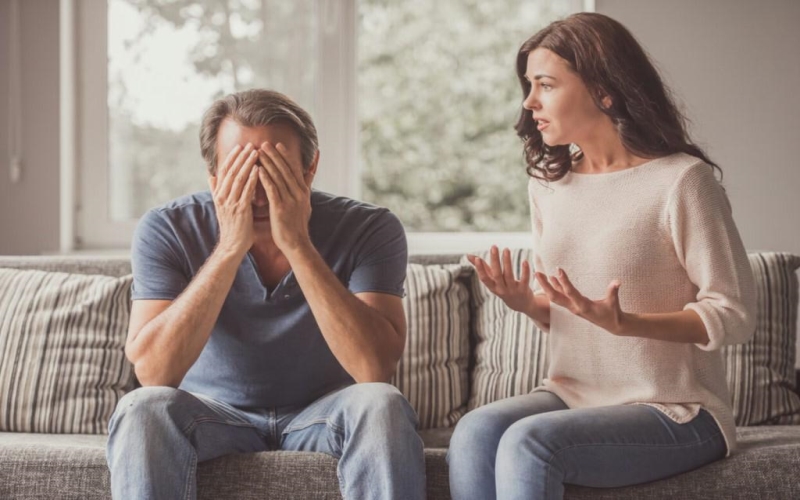

Discovering that your partner is lying about cheating can be a deeply painful and challenging situation. If you have gathered enough evidence and are certain about their infidelity, it’s important to approach the next steps with care and thoughtfulness. Here are some suggestions on how to handle the situation:
Wait and Reflect: Before taking immediate action, give yourself time to process the information and understand why your partner may have cheated. Reflect on your own feelings, seek emotional support from someone you trust, and consider seeking a second opinion to gain perspective.
Choose the Right Time to Talk: Timing is crucial when discussing the issue with your partner. Find a time when both of you can be alone, without distractions or interruptions. Make sure you are in a calm state of mind and well-rested to engage in a productive conversation.
Practice Respectful Communication: During the conversation, focus on active listening. Allow your partner to express themselves without interruption and truly hear their perspective. Take notes if necessary to address specific concerns later, but prioritize listening and understanding in the initial discussion.
Acknowledge Responsibility: Recognize that relationships involve two individuals, and it’s important to acknowledge any personal contributions to the circumstances that may have led to infidelity. Reflect on your own actions and seek to understand how they may have influenced the relationship dynamic.
Validate Feelings and Emotions: It’s normal to feel a range of intense emotions, such as anger, disappointment, and betrayal. Allow yourself to experience these emotions without resorting to harmful actions or seeking revenge. Express your feelings in a respectful and constructive manner, using words to communicate your emotions effectively.
Address the Root Problem: Openly discuss the rules and boundaries of your relationship. If the understanding was that you were in an exclusive and monogamous partnership, it’s important to address the breach of trust and work towards rebuilding it. Both partners need to be involved in defining the path forward.
Foster Forgiveness: Forgiveness is a crucial aspect of moving forward after infidelity. While it may be difficult, harboring anger and bitterness only hinders personal growth and the possibility of rebuilding trust. Explore the concept of forgiveness and consider seeking therapy or counseling to facilitate this process.
Create a Moving Forward Plan: If both you and your partner are committed to saving the relationship, take the time to develop a plan for moving forward. This plan can include goals, boundaries, and strategies to rebuild trust. Consider seeking professional help, such as couples counseling, both in-person and through telehealth options, to guide you through the healing process.
Seeking Professional Advice
If you are unsure about the signs and clues you have observed, it may be helpful to seek professional advice. Couples therapists and relationship experts are trained to navigate difficult conversations and provide guidance in times of relationship turmoil. They can help you communicate effectively with your partner and work towards rebuilding trust.
In an interview with Dr. John Gottman, a renowned psychologist and relationship expert, he emphasizes the importance of open dialogue in these situations: “Honesty and transparency are the building blocks of a healthy relationship. If you suspect your partner is cheating, it’s crucial to create a safe space where both of you can openly express your concerns.”
Q&A: Common Questions About Infidelity
Q: Is accusing my partner without evidence justified?
A: Accusing your partner without concrete evidence can lead to further damage to your relationship. It’s essential to gather evidence or have open and honest conversations before jumping to conclusions.
Q: Can a person’s behavior change if they are cheating?
A: Yes, a person’s behavior may change if they are cheating. They may become more distant, secretive, or defensive. However, these changes could also be attributed to other factors, such as work stress or personal issues.
Q: Should I confront my partner if I suspect infidelity?
A: It’s important to approach the situation with care and empathy. Schedule a time to talk openly with your partner, express your concerns, and listen to their perspective. Avoid making accusations without evidence, as it can escalate the situation and damage trust further.
Q: How can I rebuild trust if my partner has cheated?
A: Rebuilding trust takes time and effort from both partners. It often involves open communication, counseling, setting boundaries, and consistent actions that demonstrate remorse and commitment to change. Seeking the guidance of a professional therapist can be beneficial in this process.
Q: Are there any technological tools to catch a cheating partner?
A: While there are technological tools available, such as spyware or GPS tracking devices, it is important to consider the ethical implications and legalities surrounding their use. It is generally recommended to prioritize open communication and trust-building instead of resorting to invasive methods.
Q: What if my partner denies cheating, but I still have doubts?
A: If your partner denies cheating and you still have lingering doubts, it may be helpful to seek support from a therapist or counselor. They can provide guidance and facilitate constructive conversations to help you address your concerns and reach a resolution.


