





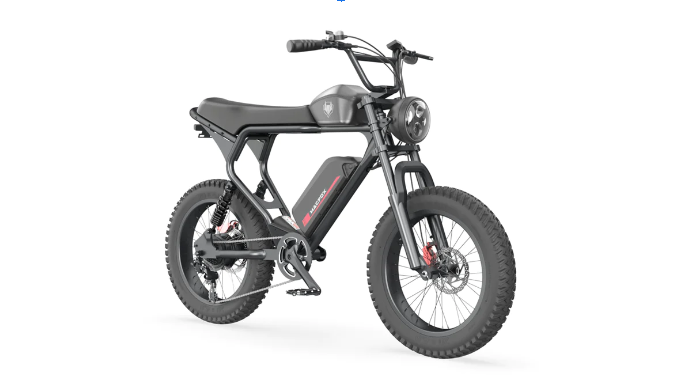


When it comes to electric bicycles, selecting the right tires is crucial for optimal performance, comfort, and safety. The tires play a vital role in determining how your e-bike handles different terrains, such as pavement, gravel, or off-road trails. This guide will walk you through the key factors to consider when choosing tires for your electric bicycle, ensuring you make an informed decision that suits your riding style and preferences.
- Tire Size and Width
The first aspect to consider is the tire size and width. Electric bicycles typically accommodate a range of tire sizes, so it’s essential to determine the clearance available within your bike’s frame and fork. Common tire sizes for e-bikes include 26-inch, 27.5-inch, and 29-inch. Additionally, you’ll need to decide on the width of the tire, which affects factors such as grip, stability, and comfort. Wider tires, usually between 2 to 4 inches, provide increased traction and stability, making them suitable for off-road riding or rough surfaces.
- Tread Pattern
The tread pattern of the tire determines its grip and performance on different surfaces. There are three main types of tread patterns:
Slick Tires: These tires have a smooth surface without any tread pattern. They excel on paved roads and offer low rolling resistance, promoting faster speeds and efficiency.
Semi-Slick Tires: Semi-slick tires feature a minimal tread pattern in the center with some tread on the sides. They provide a balance between grip on paved surfaces and decent traction on gravel or hard-packed trails.
Knobby Tires: Knobby tires have aggressive tread patterns with deep lugs. They are designed for off-road riding, providing excellent traction on loose terrain such as dirt, mud, or sand.
Consider the type of terrain you’ll be riding on most frequently and choose a tread pattern that suits those conditions.
- Puncture Resistance
Puncture resistance is an essential factor, particularly if you’ll be riding on rough or debris-filled roads. Look for tires that offer enhanced puncture protection, such as those equipped with reinforced casings or specialized technologies like Kevlar belts. These features minimize the risk of flats and ensure a more reliable and hassle-free riding experience.
- Load Capacity
Electric bicycles tend to be heavier than traditional bicycles due to the added weight of the motor and battery. Therefore, it’s important to choose tires that can handle the increased load capacity. Check the manufacturer’s specifications for the maximum weight limit of the tires and ensure they are suitable for your e-bike’s weight, including the rider, battery, and any additional cargo you may carry.
- Tube vs. Tubeless
When it comes to tire setups, you have the option of using tubes or going tubeless. Traditional tube setups consist of an inner tube that holds the air, while tubeless systems rely on airtight rims and sealant to keep the air in. Tubeless setups offer several advantages, including reduced rolling resistance, increased traction, and better puncture resistance. However, they may require initial setup and maintenance. Consider your riding preferences and evaluate the benefits of each option before making a decision.
- Tire Pressure
Maintaining the correct tire pressure is crucial for optimal performance and safety. The recommended tire pressure varies depending on the tire width, load, and riding conditions. Underinflated tires can increase rolling resistance and make pedaling more difficult, while overinflated tires may result in a harsh ride and reduced traction. Refer to the tire manufacturer’s guidelines or consult with a knowledgeable bike shop to determine the appropriate tire pressure range for your specific tires.


