




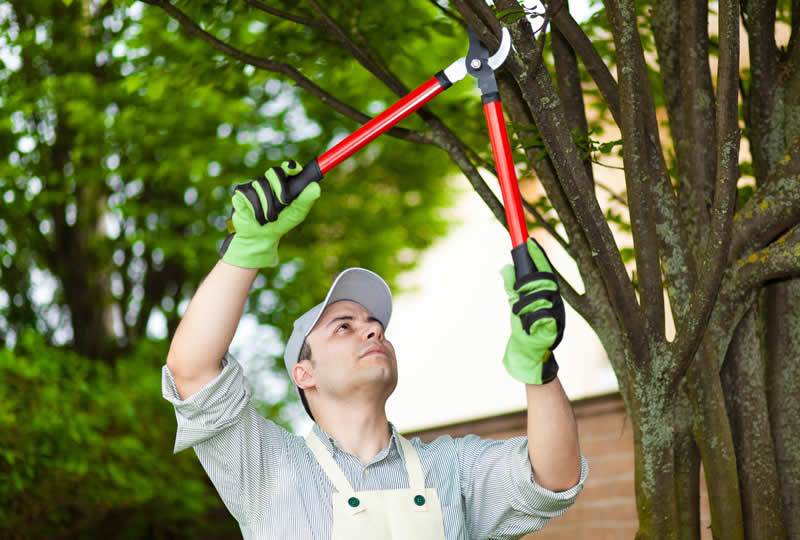


Well-tended trees speak volumes about a property. They show you care about your home and the environment. But how often should you seek professional tree trimming services from Rich’s Tree Service or your go-to provider?
Basically, it depends on various variables, and a certified arborist would be best placed to advise you. Generally, consider trimming mature tree service dallas every three-five years. Also, the following guidelines can help you determine whether your trees need trimming:
- Saplings can make do with trimming once every two years.
- Evergreen trees can go up to five years before requiring a trim.
- Trim fruit trees annually to help improve their yield quality and quantity.
- Young shade trees may need annual trimming to grow into healthy mature trees with balanced structure and form.
- Subtropical trees can be trimmed year-round as they grow and quickly drop leaves, thanks to abundant sunshine.
- Most mature trees need trimming annually. However, even if your tree species don’t, it helps to have them inspected regularly to identify potential issues – pests or diseases – and determine whether trimming may suffice.
Timing is Critical
Should you trim your trees whenever you feel like it? No. Ideally, it’s advisable to do so in late winter, when they’re dormant. This helps reduce stress on the trees, ensuring they survive better in the new season. You can also help direct your tree’s growth by pruning at the right time.
If you do it during spring, chances are your trees will have difficulty flowering or producing good yields. In other words, trimming or pruning during the active growth period may result in unbranched and weaker vertical shoots – unable to support the weight of fruits.
Similarly, avoid pruning during summer, as trimming can expose your trees to diseases and pests. Plus, the heat can easily stress trees and lead to severe problems. For instance, it can increase transpiration, affecting the tree’s ability to take up water.
Deciding When to Trim Your Trees
While it’s advisable to trim your trees at given times of the year, some variables may preclude you from waiting until the ideal time. These include:
Signs of disease or infestation: If some branches appear diseased, it’s advisable to prune and get rid of them. Infections can quickly decimate a tree if left to linger. Thus, the quicker you act, the better.
Crossing branches: Two or more branches may cross and rub against each other, leading to severe damage. If that occurs, it’s advisable to trim them. Likewise, dense canopies can lead to internal damage, which trimming can help prevent. The branches may also interfere with power lines, necessitating pruning.
Storm damage: If a storm causes some branches to break or weaken, it’s advisable to trim them for safety reasons. Otherwise, it can lead to further damage.
When Not To Trim Trees
Industry standards dictate that professionals should not trim over 30 percent of a tree’s live tissue. Doing so may weaken the tree, allowing pests and diseases to invade it. This can lead to the tree’s demise. For instance, if a large branch breaks and 30% of the tree’s leaves are on it, it’s advisable not to trim the rest of the tree.
Likewise, you should refrain from topping trees – which involves cutting off all the branches at the top and leaving a tree stub. This can weaken the tree’s root system, leading to poor health or death.
If you also don’t have the right equipment to trim trees, disregard the urge to do it anyway. Proper tree trimming is fundamental for healthy trees. Otherwise, you could damage the tree, not to mention put your life at risk while trying to handle branches without the right equipment. Falling branches may also damage property, leading to unexpected losses.
Professionals have the right tools and safety gear to do it without damaging your trees or property. Hence, it pays to engage experts to trim your trees.
Also, avoid trimming immediately after new shoots appear. Generally, it’s like tampering with nature and can severely affect the tree’s health. The same applies to older branches, as they help support newer ones. Besides, new leaves help create a canopy of protection for the tree’s vulnerable bark and provide energy for the tree’s growth.
Professional trimming services are an investment for your trees. They promote safety, keep your trees healthy and looking great, and ensure they survive better in the coming season. And since the trimming frequency depends on the tree’s needs, it doesn’t hurt to consult a professional for advice. They can easily assess the tree’s condition and determine how much trimming it needs to stay healthy and thrive.


