




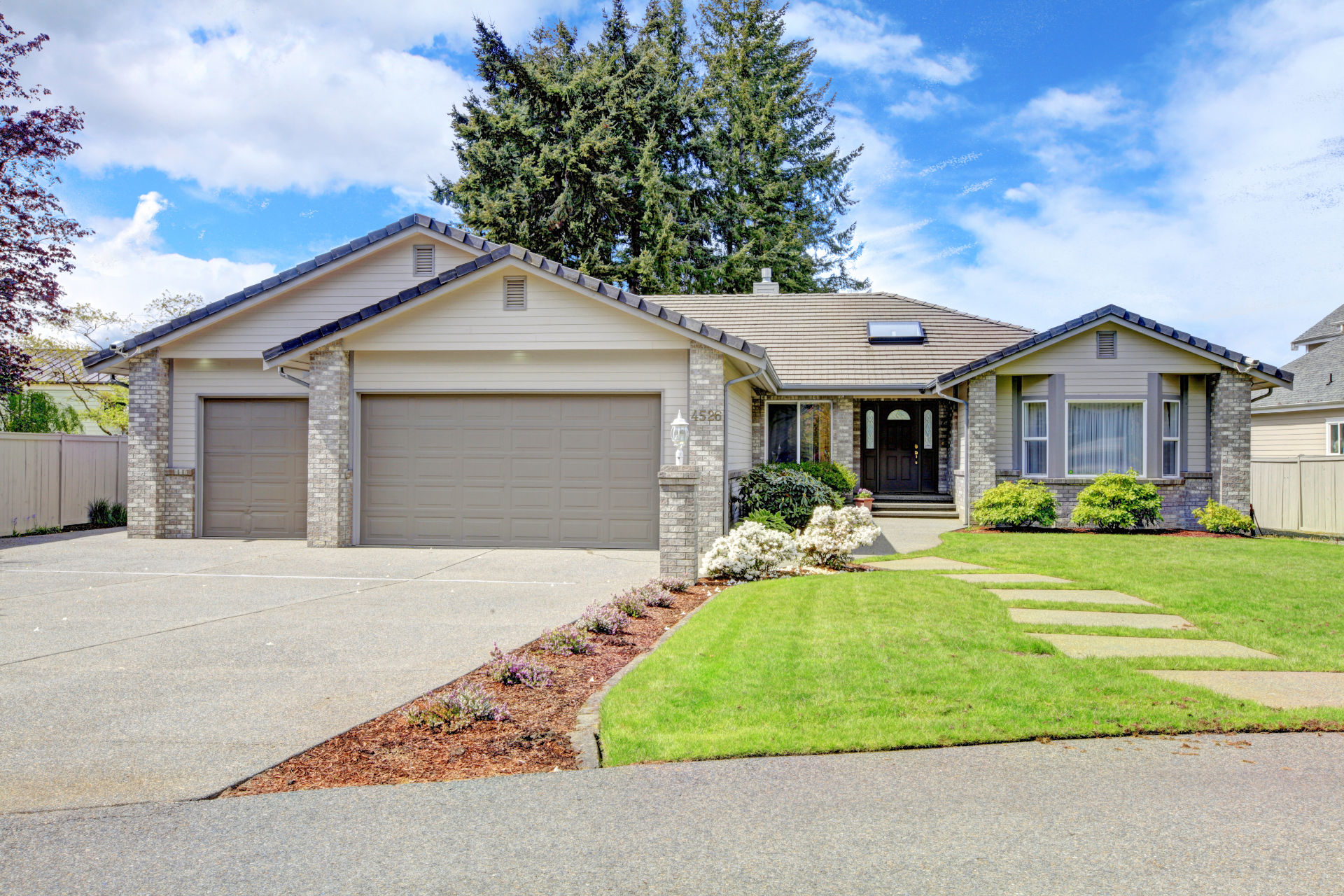


House repainting is a great way to improve the value of your home while setting a new mood. In fact, house repainting is one of the most cost-effective ways to boost a property’s value.
How Often Should a Home’s Exterior Be Repainted?
The home’s exterior is the most exposed part of the building structure. This means that the paints are more likely to fade or wear out faster than the interior paint. Given the effect of weather elements on the home’s exterior, it is recommended that you repaint every 5 to 10 years, depending on the quality of paint used and the wear and tear.
When considering an exterior repainting project, there are two important factors to keep in mind. They include;
- At least two sides of your home’s exterior will be most affected by weather elements. These areas are the major pointers to consider when planning an exterior repainting project.
- You should plan to repaint your home exterior early instead of waiting for all the common signs of fading or wear and tear.
How Often Should a Home’s Interior Be Repainted?
Unlike the exterior that is most exposed to weather elements, the home’s interior paint is often long-lasting. In fact, most interior repainting projects are done as part of interior decoration rather than due to fading or wear and tear.
With all other factors constant, a home’s interior paint can last for as long as 5 to 15 years. However, indoor paints may not last as much when they are improperly applied, exposed to high moisture, or damaged by harsh chemicals.
Common Signs Your House Needs Repainting
Homeowners should look for important signs that indicate the need to repaint their property. Below are the crucial signs to watch out for.
Flaking, Bubbling, or Cracking Paint
Flaking, bubbling, or cracking paint is perhaps the most obvious sign indicating the need for a new paint job. These signs are common indicators of bugger issues like wet rot, dry rot, or mold problems.
Homeowners are advised to investigate the cause of the problem and fix it before applying a new coat of paint on their walls. In addition, a proper surface preparation process should be followed to avoid poor paint adherence to the wall surface.
Hardening Caulk
Caulks are designed to expand and contract as the house responds to temperature changes. Hardened caulks have lost their elasticity, making it impossible for them to respond to the building’s expansion and contractions in response to extreme weather cycles. Contact an expert to re-caulk your house if the beads have become hard and resistant to press.
Fading Paint
Another obvious sign that your interior or exterior paint has reached the end of its life is fading. Fading paints can be caused by different problems, including poor quality paint, exposure to sunlight and UV rays, aging effects, and exposure to harsh chemicals.
If your paint is already fading or showing signs of shady lines caused by water intrusion, it’s time to contact a professional painter for a fresh coat.
Patching Stucco
Homeowners who have engaged in some home improvement projects over the years can attest to how expensive such projects can get. You can easily save some money, especially on re-stuccoing, by patching the affected area and adding a fresh coat of paint to it. The fresh coat of paint further seals the stucco in and gives it a blended appearance.
Morphed Paint Color
High-quality paints often give some signs before they eventually begin to fade. Some high-quality paints may change color in response to exposure to UV rays. This morphing may leave your home with an undesirable shade of the original color, thus encouraging you to add a fresh layer of paint to correct the problem.
Chipping or Peeling Paint
Paint chips or peels are often caused by underlying issues that can be traced back to poor surface preparation or moisture problems. Whatever the cause, you’ll agree that peeling or chipping paints are an eyesore that should be addressed as quickly as possible.
It is best to contact a professional painter to assess the problem and diagnose the cause of the peel or paint chip. Doing this will enable you to address the problem head-on and avoid its repetition.


