







Dog Hot Spots
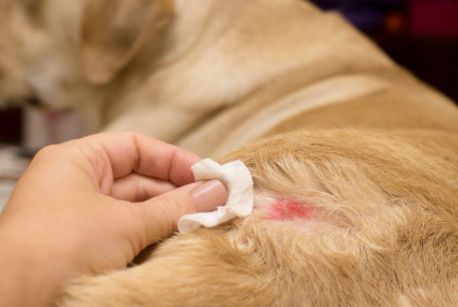
Hot spots are a frustrating and concerning skin condition that can affect dogs, causing discomfort and worry for their owners. These skin lesions, characterized by raw, moist, and alarming appearances, are the result of bacterial overgrowth leading to infection. Hot spots typically manifest on the head, legs, hips, or neck and can develop rapidly, catching dog owners by surprise. It is not uncommon for a dog parent to leave for work in the morning and return home to find their furry companion with a large, red, and oozing spot on their skin seemingly appearing overnight.
While hot spots are extremely rare in cats, they are relatively common in dogs. Breeds with thick coats, such as Golden Retrievers, Collies, German Shepherds more prone to developing hot spots due to the challenge of airflow reaching their skin through their dense fur. However, it is important to note that any dog, regardless of breed, can be susceptible to hot spots.
Hot spots, also known as acute moist dermatitis, are a common skin condition that can affect dogs. These irritated, inflamed areas on the skin can be uncomfortable and painful for our canine companions. Understanding the dog hot spot healing stages is essential for pet owners to provide appropriate care and support during the recovery process.
The Different Stages of Hot Spot Healing and Discuss Effective Strategies to Help Your Furry Friend Regain Their Skin Health.
Stage 1: Identification and Initial Care
The first stage in the healing process is identifying the hot spot and initiating immediate care. Hot spots are typically characterized by red, moist, and inflamed patches of skin that may be accompanied by itching and pain. Upon discovering a hot spot on your dog, it is important to take the following steps:
Clean the affected area with a mild antiseptic or veterinarian-recommended solution to remove any debris, bacteria, or allergens that may exacerbate the condition.
Gently trim the hair around the hot spot to expose it to air and prevent further moisture buildup, which can impede healing.
Use an Elizabethan collar or a protective cone to prevent your dog from scratching, licking, or biting the affected area, as this can worsen the condition and delay healing.
Stage 2: Wound Management and Relief
Once the initial care has been provided, the hot spot enters the second stage of healing, which focuses on wound management and relief. During this stage, it is important to:
Promote Air Circulation: Keep the hot spot area clean, dry, and well-ventilated to facilitate the healing process. Avoid covering the area with bandages or tight-fitting clothing unless specifically instructed by a veterinarian.
Topical Medications: Apply veterinarian-prescribed topical medications, such as antimicrobial creams or sprays, to prevent infection and promote healing. These medications may also help alleviate itching and discomfort.
Oral Medications: In some cases, oral medications, such as antibiotics or anti-inflammatory drugs, may be prescribed by a veterinarian to address underlying causes, control infection, and reduce inflammation.
Dietary Changes: Consider dietary adjustments, such as introducing high-quality, balanced diet rich in essential nutrients and fatty acids that promote skin health. Consult with a veterinarian to determine the best dietary plan for your dog’s specific needs.
Stage 3: Granulation and Tissue Repair
In the third stage of healing, the hot spot progresses into the granulation and tissue repair phase. During this stage, new tissue forms to replace the damaged skin. To support this process:
Continued Wound Management: Continue to keep the hot spot clean and monitor it for signs of infection or delayed healing. Follow the veterinarian’s instructions regarding any further medication applications or dressing changes.
Nutritional Support: Ensure your dog receives a well-balanced diet that promotes healing and provides essential nutrients, vitamins, and minerals. Adequate hydration is also crucial for overall skin health.
Prevent Reoccurrence: Identify and address any underlying causes of the hot spot, such as allergies, fleas, or other irritants. Regular grooming, including brushing to prevent matting, can help maintain healthy skin and reduce the risk of hot spots.
Stage 4: Epithelialization and Scar Formation
The final stage of hot spot healing involves epithelialization, where new skin cells cover the wound, and scar formation. Here’s how to assist your dog during this phase:
Continued Monitoring: Observe the hot spot for complete closure and the formation of a healthy layer of skin. It is normal for a scar to form during this stage.
Skin Moisturization: Apply veterinarian-recommended moisturizers or skin-nourishing products to support healthy skin regeneration and minimize scar formation.
Post-Healing Care: Once the hot spot has fully healed, continue to provide regular skin care, proper grooming, and preventive measures to maintain your dog’s skin health and prevent future occurrences.
When it comes to caring for our pets, Skin allergies, rashes, and a plethora of diseases can cause distress and discomfort to our furry companions. Introducing Puainta, a groundbreaking multifunctional medical product formulated to provide comprehensive solutions for a wide range of pet health issues.
Conclusion
Healing a hot spot requires patience, consistency, and proper care at each stage of the recovery process. By promptly identifying and addressing hot spots, providing appropriate wound management, and supporting your dog’s overall well-being, you can help them heal effectively and reduce the risk of future occurrences. However, if the hot spot fails to improve or worsens despite your efforts, it is crucial to consult a veterinarian for further evaluation and guidance. Remember, your veterinarian is the best resource to ensure your dog receives the specific care and treatment needed for their individual condition.


