





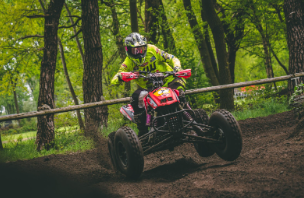


For many outdoor enthusiasts, there is nothing quite like the thrill and excitement of riding a quad bike over different terrains while also getting in tune with nature. It is an experience that invokes a sense of freedom and flexibility, be it over muddy ditches or dusty hills.
However, it is important to bear in mind that despite how sturdy a quad bike might look, certain skills and precautions need to be taken in order to safely and effectively control the vehicle. So if you’re a beginner or haven’t driven a quad in a long time, it’s important to find helpful experiences for ‘quad biking near me’ where the staff are willing to help. below are some of the important safety tips you need to follow in order to fully enjoy your quad biking experience and all it has to offer.
Getting the Right Quad
It is very important that you always go for a vehicle that matches your strength and experience level. This is because driving a quad can be very physical, so the weight and power of your quad should not be too much for you to handle.
Maintenance Check
In addition to being the right weight and size, your quad should also meet all maintenance requirements. For example, in the UK, any quad that has been in use for more than 3 years will need to pass an MOT for it to be allowed on public roads. The quad will also need to have safety features such as a speedometer, a brake light, and hazard-warning lights. As the rider, you will also need to have at least a B1 license.
Even if you intend to stick to only off-road terrains, you will still need to carry out basic safety checks (fuel level, tyre pressure, oil level, steering, front brakes, and rear brakes) before every ride.
Tyre Check
Having the right type of tyres fitted is one of the most crucial aspects of quad bike safety. When choosing a tyre for your quad bike, the three most important considerations are height, width, and rim size. For improved performance on off-road terrains, riders sometimes go for tyres that add more height (an inch or two) to the quad. Bear in mind that this increased tyre size can however add more weight to the quad, leading to increased wear and tear on components like the drive belt, the clutch and the engine.
Wearing the Proper Gear
In terms of design, quad bikes don’t come equipped with seatbelts, roll cages, or weather coverings. This is mostly due to the type of movement required to maneuver the quad. It also adds to the appeal, and adrenaline rush a rider experiences while riding the quad. However, the absence of these built-in safety measures does mean that you will need to wear protective clothing in order to prevent injuries. Some of the safety gear you will need include;
A Helmet – This is the most important piece of gear needed for quad biking as it protects your head from injury. Comfort, visibility, and safety should be considered when choosing a helmet. Go for a visor that allows for clear vision (tinted visors should only be used for sunny days). If you opt for an open-face helmet, make sure to wear goggles to protect your face (eyes, chin, and mouth) from dirt, wind, and debris.
Clothing – When it comes to quad biking, practical and comfortable clothing is always the best. Trousers and long sleeves help minimise grazes and small cuts. Light body armour can also be worn underneath your clothing to offer more protection in case of an accident.
Gloves – These are a must for good grip and comfort. You can go for fingerless gloves during the summer months and full gloves during the winter. Handlebar mitts are also great for grip, comfort, and safety during the winter months.
Footwear- Sturdy footwear, such as motorcycle boots, are recommended. Some specific off-road style boots are also available. These types usually come with extra padding, and they provide more protection. All open-toed shoes, sandals, and backless shoes should be avoided.
Safe Driving Practices
Although quads may bear a certain resemblance to cars, their mechanics are very different. For example, in order to help a quad turn, a rider will need to adjust their position. Cornering at low speeds will require your weight to be shifted towards the outside footrest while your body leans into the turn. With higher speeds, your focus should be on leaning in while keeping your weight inside the turn. Some other safe driving tips include;
- Parking your quad sideways on a slope.
- Not carrying passengers or equipment in your quad (unless it is designed for them).
- Riding with as much care as you would on a two-wheeled vehicle.
- Keeping a GPS tracker or mobile phone with you when embarking on off-road terrain alone.
- Getting proper training on how to maneuver a quad. This includes learning basic riding techniques and even some advanced ones.
Conclusion
Quad biking is an outdoor activity like no other. Although it is quite safe, accidents can still happen, so it is important that you follow the above safety rules for a more fun and thrilling experience.


