





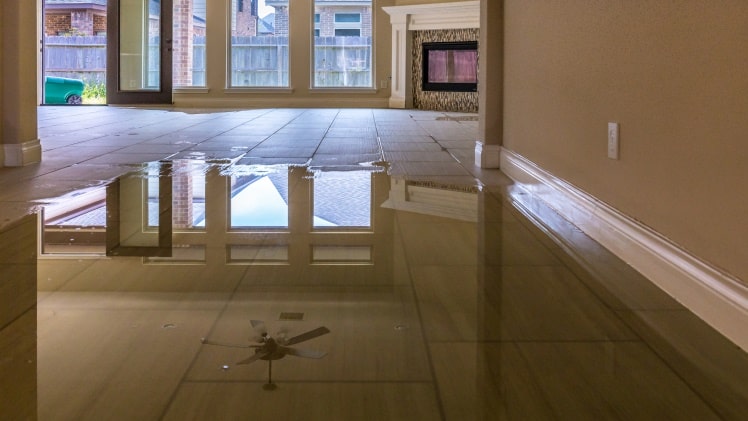


Did you know that floods are the most frequently occurring natural disaster in the United States?
If your home happens to get caught up in one, everything you know could be gone in an instant. While this can be a lot to process, you do have to act fast when it comes to flood damage restoration.
What should you do if your home has flood damage? How do you start dealing with flood damage?
These are seven tips that we have for you.
1. Take Precautions
Before you start to deal with a flooded home yourself, you need to take some precautions when it comes to moving around the house. You have to remember that you are likely dealing with a mix of water and electricity.
If an electric wire or an outlet is in the wrong place and you walk through contaminated water, you risk the possibility of being electrocuted. On top of that, the water itself is not the healthiest to expose your body to.
Your best bet is to try to avoid areas of your home that have been flooded until a professional arrives on the scene. That leads us to our next step.
2. Call an Inspector
As described above, a flooded home can be dangerous to walk around in unsupervised. Calling an inspector allows a professional to walk through your home safely. On top of this, you can have a professional look through your home and give you the scope of the damage.
They may find damage in areas you did not even see on your first look. They could warn you about parts of your home that have become unsafe because of the flood damage.
Calling an inspector will give you an idea of if your home is safe to stay in and what kind of damage you need to fix.
3. Take Photos
The next thing that you need to do is take photos of the damage. This mainly applies to anybody that has some sort of insurance on their home. Whether this is for general home insurance or flood insurance, you want as much evidence to the damage as possible.
This does not just apply to the flooded areas. When it comes to home insurance, something else you should do is take photos of any valuables that got damaged because of the flooding. If you get lucky, you can put those on your insurance claim and possibly be compensated for the damage.
4. Contact Your Insurance Company
Once you get an inspector in your home and have sufficient photos, it is time to contact your insurance company. You are going to have to explain to them what happened and what type of damage you are looking at.
After this, you are going to have to file a claim. Depending on what insurance policy you have, you may have to take more steps.
An example can be if you have a general home insurance policy somewhere that is not known for flooding. If it happens in a low-risk area, your home may not be covered for flood damage.
You need to talk to your insurance company as soon as possible to get an idea of what you are dealing with for compensation.
5. Dry Everything
When it comes to water damage, it may make certain things in your home not salvageable. An example can be any carpets that got flooded. The reason for this is that it is in contaminated water and cannot be cleaned thoroughly enough.
For the rest of your home, you have to act fast. Within the first 48 hours of flood damage, you have to dry your home and the furniture in it as fast as possible.
The reason for this is when it comes to your walls or anything near the walls, you risk building up mold damage if you let a flooded home sit for too long. You have to make every effort to dry your home to salvage those parts of it.
The same goes for your clothes and furniture. You need to clean and dry those as fast as possible before the contaminated water makes its impact.
6. Get Flood Insurance
If you do not have flood insurance already, this event should make you proactive about getting yourself covered. This is especially the case if you live in a high-risk area.
There are plenty of reasonable flood insurance plans if you look hard enough. If you live on the coast, there are packages designed for you. See the VE flood insurance cost on that plan.
7. Take Preventative Measures
Finally, you may want to consider taking measures to improve your home’s resistance to floods. There are some additions you can make to your home that can help you do this.
If you are willing to go all-in, one thing you can do is try to elevate your home that way it takes a much more significant flood to cause damage. Also, check things such as your pipes and your drainage.
Start Flood Damage Restoration
These are the steps you need to take to start flood damage restoration. It can be a shocking event to you, but you do not have to let it be the end of the world.
Simply contact your insurance company, call a professional inspector, enter your home safely, dry out your house, and take preventative measures to make sure that this does not happen again.
Do you want to see more related content? Check out our lifestyle section.


