





When it comes to construction, the quality of materials is super important for the durability and safety of structures. One thing that often gets overlooked is castings – those metal objects made by pouring molten metal into a mold. They’re used for things like structural supports, fancy decorations, and functional parts. Making sure the castings are top-notch is a big deal. This blog is gonna give you the lowdown on how to tell if castings are high quality in construction.
- Material Selection:The key to a high-quality casting lies in choosing the right materials. Different construction projects require different metal alloys, depending on factors like strength, resistance to corrosion, and cost. Common materials include iron, steel, aluminum, and brass. Make sure the material you choose meets the specific requirements of your project.
- Mold Quality:The mold used in the casting process plays a crucial role in determining the final product’s quality. Any imperfections or inconsistencies in the mold can result in defects in the casting. Check for a smooth surface, uniformity, and proper venting in the molds to avoid issues such as shrinkage, porosity, or incomplete fills.
- Casting Process:
Understanding the casting process is crucial for evaluating quality. Different methods, such as sand casting, investment casting, and die casting, have unique advantages and limitations. Each process affects the final product’s structural integrity and surface finish. Ensure that the chosen casting method aligns with the project requirements. - Surface Finish:Apart from how it looks, the surface finish of castings can tell you a lot about the overall quality of the process. Smooth, even surfaces without any visible cracks, pits, or rough areas show that the casting was done well. Surface finish is especially important for components that are exposed to the elements or need to have a polished look.
- Dimensional Accuracy:Having accurate dimensions is a must in construction. Measure and inspect castings to make sure they match the specified dimensions. Deviations can cause structural problems, misalignments, or difficulties during assembly. Precision in casting is a sign of top-notch craftsmanship. Richmond Foundry is the leader in ensuring excellence and dimensional accuracy for complex castings.
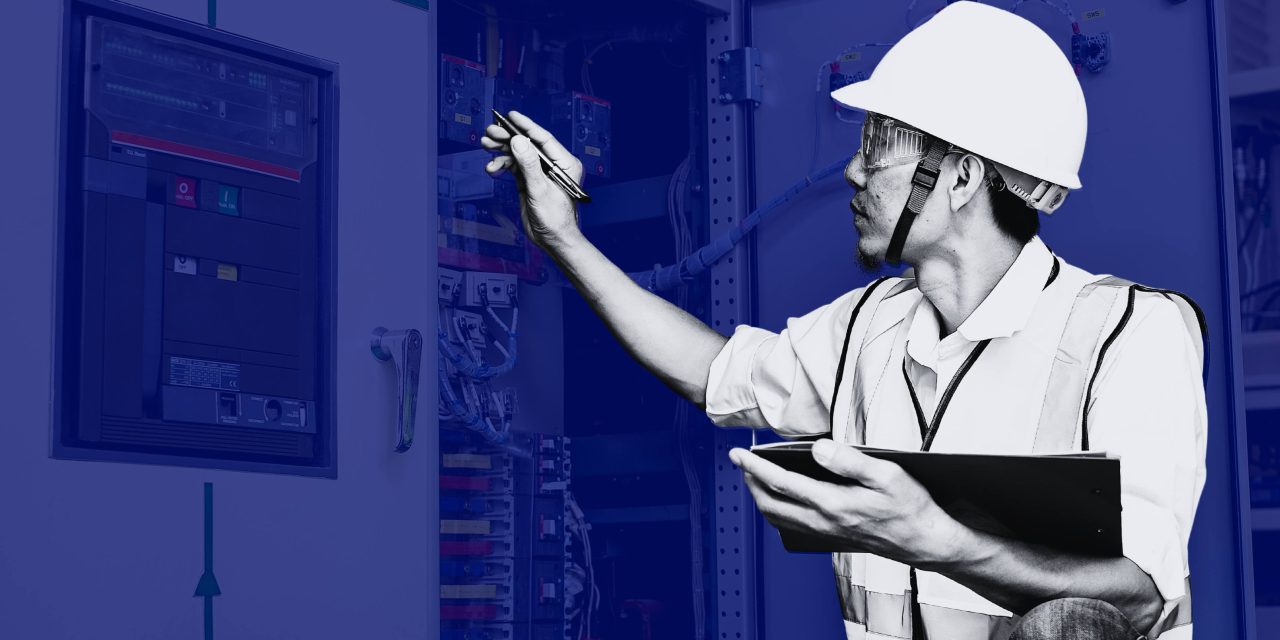
- Testing and Inspection:Thorough testing and inspection are crucial for determining the quality of castings. Non-destructive testing methods like ultrasonic testing and radiographic inspection can identify internal flaws without compromising the casting’s integrity. Additionally, visual inspections and dimensional checks should be done at different production stages.
- Material Properties:It’s important to understand the mechanical properties of the casting material. Factors like tensile strength, yield strength, and hardness can impact the product’s performance. Refer to material specifications and conduct tests to ensure the castings meet the required standards.
- Quality Standards and Certification:Compliance with industry standards and certifications is a clear indicator of quality. Make sure the castings adhere to relevant standards set by organizations like ASTM, ISO, or specific industry bodies. Certifications provide assurance that the materials and processes meet established benchmarks.
In the intricate world of construction materials, castings are the unsung heroes that make up the backbone of many structures. By carefully selecting materials, following casting processes, ensuring surface finish and dimensional accuracy, performing tests, and meeting standards, we can ensure the production of top-notch castings. The dedication to excellence in the casting phase greatly contributes to the longevity, safety, and overall success of construction projects.