





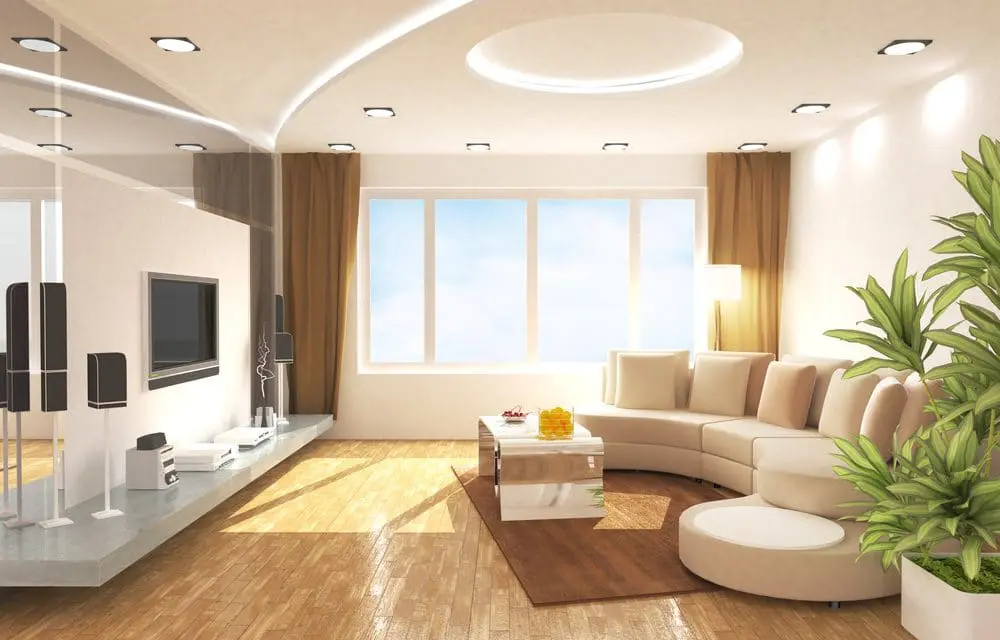


Our daily night lives depend heavily on lighting systems, which give us the illumination we need to carry out a variety of duties both indoors and outside. In general, most of the lighting systems we use in homes and businesses are conventional ones that are designed to use more energy. As a result, many of us amass unnecessarily high energy bills every month. This financial stress can be avoided if homeowners adopt energy-efficient lighting systems. Energy-efficient lightings are those light bulbs designed to consume less energy. They are suitable for various types of indoor illumination ranging from countertop lighting to reading lights, ceiling lights, and many more. And if you’re looking to illuminate your landscape with Brentwood, TN lighting services, you’ll be glad to know that energy-efficient lighting options are also available for outdoor use.
These energy-efficient lighting systems come in various forms, and they offer numerous advantages. Read on to learn more about the types of energy-efficient lighting options suitable for homes and businesses.
Types Of Energy-Efficient Lighting Systems
Halogen Lights
Halogen lights are a form of energy-efficient lights that are similar to conventional incandescent lights. They’re built to use small amounts of halogen gas in combination with tungsten vapor which is then deposited onto a filament. These bulbs consume 25% less energy in comparison to traditional incandescent light
Though they consume less energy, halogen bulbs still produce bright warm light similar to regular incandescent bulbs. This makes them a suitable option for those who love the illumination of traditional incandescent bulbs. In addition, halogen bulbs have a longer lifespan; they can last about 2 to 3 times longer than their counterpart. This means your need to replace bulbs will be significantly reduced.
However, you should know that halogen incandescent lights are more suitable for business areas as they are bright and vibrant. Nevertheless, halogen lamps can still be used in houses. In fact, more homeowners have switched to these energy-efficient bulbs in recent times.
Compact Fluorescent Lamps (CFL)
Compact fluorescent bulbs, known as CFLs, are also a good energy-efficient option for homes and businesses. They are designed to use electric current to boost the activities of the gas trapped inside the bulb. As the gas is activated by an electric current, a glowing phosphorous coating will form on the inside of the bulb. This process causes the production of visible light, which is about 60 lumens per watt.
CFLs can last up to 14 years and are around 60% to 80% more energy-efficient. This means you can save more money on your electricity bill and replace bulbs less frequently. CFLs are energy-efficient, but because they contain some mercury, it’s critical to dispose of used CFLs properly to avoid mercury leakage.
Light Emitting Diodes (LED)
LED light bulbs are the most widely used energy-efficient light bulbs making waves in the market right now. This is because they are built to consume 90% less electricity than standard incandescent lights, making them the most energy-efficient lighting alternative available.
They produce 72 lumens per watt; this means lower watts of these bulbs generate the same brightness higher watts of incandescent lights do. For instance, if you install 10 watts of LED lights, you’ll get the same brightness a 60 Watt incandescent bulbs emit.
In addition, LEDs generate less heat than incandescent lamps, which can assist save cooling expenses in warmer climes. Despite the fact that LEDs are sometimes more expensive up front than alternative energy-efficient lighting options, their durability and energy efficiency result in cost savings over time.
Tips For Choosing The Right Energy-Efficient Bulbs
The following are some tips that guide you when shopping for energy-efficient lighting.
- Clarify your lighting needs
Before you proceed with your hunt for the perfect energy-efficient lighting, you’ll need to have a clear knowledge of what you need the bulb for. You can ask yourself questions like: what level of brightness level do I want for my space? Do I need it for outdoor or indoor space? The answers you give to this question will help you understand the type of bulb you should get.
- Consider the level of energy efficiency you desire
Energy-efficient bulbs have different energy-saving capacities, as explained earlier. Hence, endeavor to take a closer look at the details of your desired lighting option before you make a purchase.
You can also consider the bulb color and temperature before choosing an energy-efficient lighting option. Keep in mind that adequate analysis will guide you in choosing to right lighting option.


