







Introduction
As the world of networking continues to evolve at a rapid pace, the need for compact and efficient connectivity solutions has become increasingly important. Small Form Factor Pluggable (SFP) optic modules have emerged as a popular choice for organizations, providing a versatile and compact solution for various network applications. In this blog post, we will explore the development and application of SFP optic modules, with a focus on their role in 1G Ethernet networks and compatibility with SFP ports.
Enhance your fraud prevention strategy with IPQualityScore’s advanced device fingerprinting solution. Identify and block suspicious devices, securing your platform from malicious actors.
SFP Optic Modules: A Brief History
SFP optic modules were introduced in the early 2000s as an upgrade to the older Gigabit Interface Converter (GBIC) modules. The primary goal was to create a smaller, more efficient solution for network connectivity. SFP modules succeeded in achieving this goal, offering a compact design that was approximately half the size of their GBIC counterparts. This small form factor allowed for greater port density on network devices, enabling organizations to support more connections in less space.
Applications of SFP Optic Modules
SFP optic modules have found widespread use in various networking applications, including:
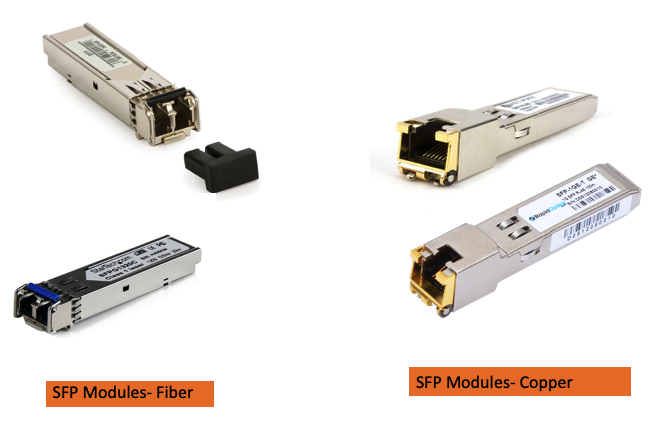
- 1G Ethernet: SFP modules have played a significant role in the development and adoption of 1G Ethernet networks. Also, sfp+ can be applied in 10G ethernet networks. These modules enable the transmission of data at gigabit speeds over both copper and fiber-optic cabling, providing a versatile solution for a wide range of network environments.
- SFP Ports: Network devices, such as switches and routers, often include SFP ports to support the use of SFP optic modules. These ports enable organizations to easily customize their network connections, as SFP modules can be swapped out and replaced with different modules to support varying network requirements.
- Fiber-Optic Networks: SFP modules are commonly used in fiber-optic networks, providing a compact and efficient solution for transmitting data over long distances. The small form factor of SFP modules enables high port density, allowing network devices to support multiple fiber-optic connections.
- Data Centers: SFP optic modules are widely used in data center environments, where high-speed data transmission and reliability are critical. These modules enable data centers to support a large number of connections while maximizing space efficiency.
Advantages of SFP Optic Modules
The widespread adoption of SFP module can be attributed to several key advantages, including:
- Small Form Factor: The compact size of SFP modules allows for high port density on network devices, enabling organizations to support more connections in less space.
- Versatility: SFP supports both copper and fiber-optic cabling, making them a versatile solution for a wide range of network applications.
- Customization: SFP ports on network devices enable organizations to easily swap out and replace SFP modules to meet their specific network requirements, offering a high level of customization.
- Cost-Effectiveness: SFP transceiver provide an affordable solution for organizations seeking to upgrade their network infrastructure while minimizing costs.
Conclusion
SFP modules have played a crucial role in the development and adoption of modern networking solutions, offering a compact, versatile, and cost-effective solution for various applications. With their small form factor and compatibility with 1G Ethernet networks and SFP ports, these modules have become an essential component of network devices, fiber-optic networks, and data center environments. As networking technology continues to advance, SFP transceivers will undoubtedly maintain their relevance, providing efficient and reliable connectivity solutions for organizations worldwide.


