





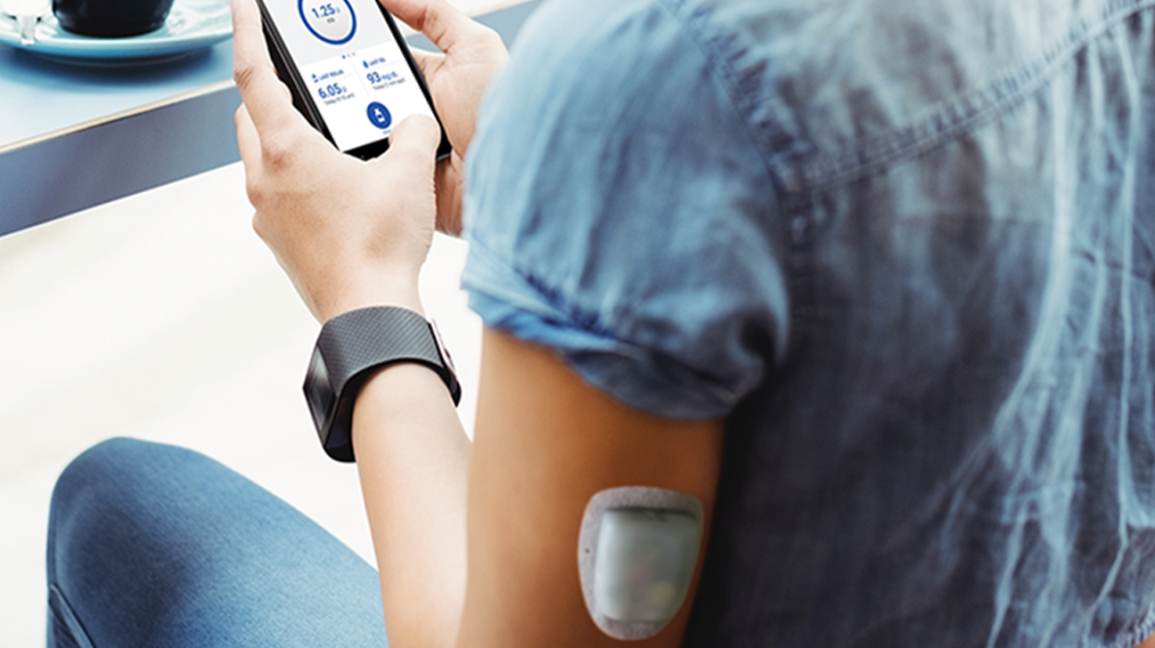


Managing diabetes effectively involves a comprehensive approach, with insulin pods playing a crucial role for many. These devices offer continuous insulin delivery, improving blood glucose level management and enhancing the quality of life for individuals with diabetes. This article delves into the essential practices for maintaining insulin pods, recognizing necessary changes, and employing advanced treatments, incorporating key insights on Insulin Pod wound care and Diabetic wound care.
Understanding Insulin Pods
Insulin pods are wearable devices that provide a hassle-free way to manage insulin therapy. They eliminate the need for multiple daily injections, using a small, tubeless pump that adheres to the skin. This technology supports an active lifestyle, offering discreet, continuous insulin delivery. Beyond convenience, insulin pods use sophisticated algorithms to adjust insulin delivery based on the user’s current blood glucose levels and activity, making diabetes management more precise. This adaptive delivery can significantly improve glycemic control, reducing the risk of hyperglycemia and hypoglycemia, aligning with the user’s lifestyle and varying daily needs.
Proper Care of Insulin Pods
Maintaining the functionality of your insulin pod is crucial. Regular inspection for damage or adhesion issues and adherence to the manufacturer’s guidelines for use and storage ensure the pod delivers insulin effectively. Proper care extends the device’s lifespan and reduces the risk of complications. Ensuring the pod’s adhesive remains secure against the skin prevents detachment and minimizes the risk of infection at the insertion site. Frequent checks for any signs of irritation or infection are critical, as early detection and treatment can prevent more serious complications, ensuring the pod can continue to function as intended.
Signs It’s Time for a Pod Change
Knowing when to change your insulin pod is vital for continuous diabetes management. Signs include noticeable decreases in pod adhesive strength, alerts from the device indicating issues, or a change in blood glucose levels suggesting decreased efficacy. Regular monitoring helps in making timely decisions about pod changes. Beyond the physical signs and device alerts, users should be aware of subtle changes in their body’s response to insulin delivery. Variability in control or unexpected glycemic excursions might indicate that the pod’s placement or function needs reassessment, emphasizing the importance of a responsive and adaptive approach to pod management.
Step-by-Step Guide to Changing Insulin Pods
Changing an insulin pod involves several steps: removing the old pod safely, cleaning the new site to prevent infection, and applying the new pod correctly. Following the specific instructions provided by the pod manufacturer ensures a smooth transition and minimizes the risk of Insulin Pod wound care issues. Rotating the pod’s application site with each change is vital to prevent tissue damage and scarring, which can affect insulin absorption. This practice ensures that each new pod site is as effective as the last, maintaining consistent insulin delivery.
Advancing Diabetic Wound Management
Insulin pods significantly advance the Diabetic wound care aspect of diabetes management, offering users freedom and flexibility. Proper care, timely pod changes, and incorporating comprehensive wound care are key to maximizing the benefits of this technology. By staying informed and proactive, individuals with diabetes can lead healthier, more active lives.


