




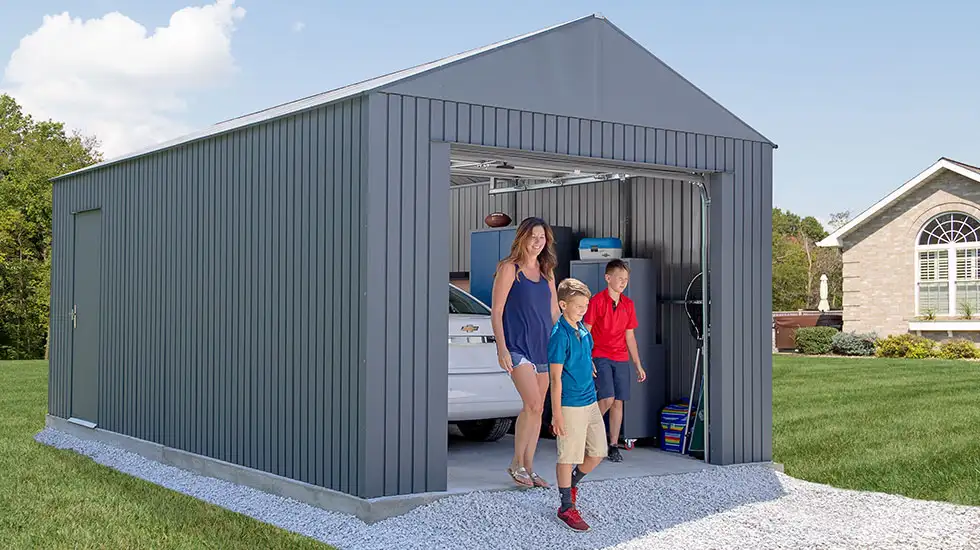


A workshop building is a critical component for businesses that require a dedicated space for manufacturing, assembly, or other production activities. Custom prefab metal workshops offer an efficient and cost-effective solution to meet the specific needs of a business. However, designing a workshop building requires careful consideration of several factors to ensure optimal functionality and efficiency. This article explores the key factors companies should consider when designing custom prefab metal workshops.
Size and Layout
The size and layout of a custom prefab metal workshop should be designed to accommodate the specific needs of the business. The size of the workshop should be determined based on the number of employees, the amount of equipment and machinery, and the type of activities that will be carried out in the workshop. The layout of the workshop should be designed to optimize the flow of materials and personnel, ensuring that there is enough space for each activity.
Insulation and Ventilation
Insulation and ventilation are critical to consider when designing a custom prefab metal workshop. The insulation should regulate the temperature inside the workshop, keeping it warm in the winter and quite cool in the summer. A proper insulation can also help reduce energy costs, which is especially important for businesses with high electricity bills. Ventilation is also important to remove harmful fumes and particles that can accumulate in the workshop. Proper ventilation can improve air quality and create a safer working environment for employees.
Lighting
Lighting is a crucial factor to consider when designing a custom prefab metal workshop. The lighting must provide adequate illumination for all activities carried out in the workshop. Natural lighting can be incorporated through windows and skylights, while artificial lighting can be installed to supplement natural light. Proper lighting can improve productivity and reduce the risk of accidents in the workshop.
Electrical and Plumbing
Electrical and plumbing are critical factors when designing a custom prefab metal workshop. Electrical wiring should meet the specific needs of the business, including the number of electrical outlets and the type of equipment that will be used in the workshop. Plumbing should also be designed to meet the specific needs of the business, including the installation of sinks, toilets, and other necessary fixtures.
Security and Safety
Security and safety are critical when designing a custom prefab metal workshop. The workshop should provide a secure working environment for employees and protect valuable equipment and machinery from theft and damage. Security measures may include surveillance cameras, alarms, and secure entry systems. Safety measures include fire suppression systems, emergency lighting, and first aid kits.
Aesthetics
Aesthetics may not be the most critical factor when designing a custom prefab metal workshop, but it is still essential. A well-designed workshop can create a positive impression on customers and potential investors, reflecting the professionalism and quality of the business. Aesthetics may include the choice of colors, finishes, and other design elements that can enhance the appearance of the workshop.
The size and layout, insulation and ventilation, lighting, electrical and plumbing, security and safety, and aesthetics are all critical factors to consider when designing a workshop building. These factors will help companies create a custom prefab metal workshop that effectively meets their needs and supports their operations. With a well-designed workshop, businesses can optimize their resources and achieve greater productivity and efficiency.


