





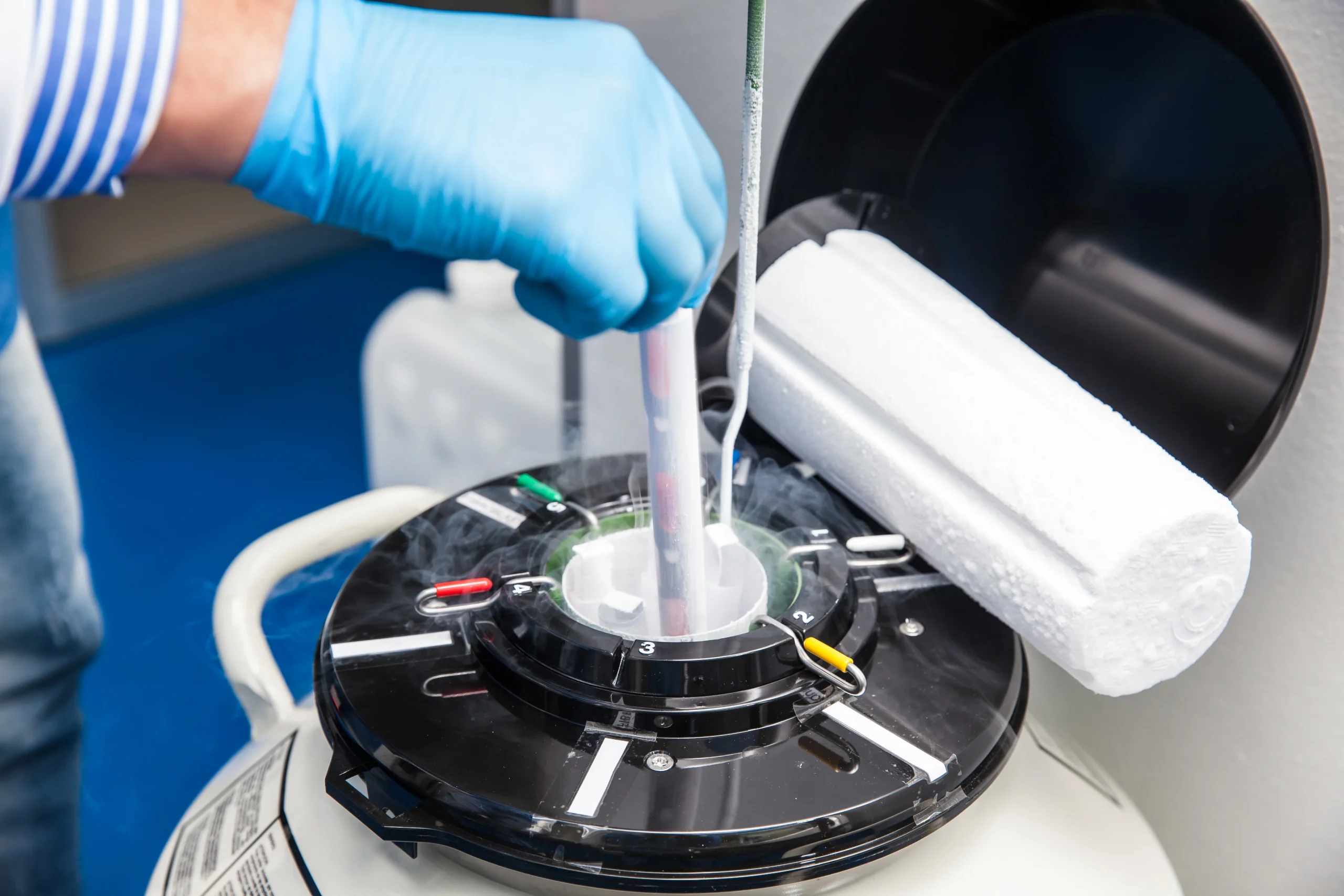


Cryopreservation, a process that involves preserving cells or whole tissues by cooling them to sub-zero temperatures, has revolutionized the field of reproductive medicine, offering hope to individuals and couples who may face fertility challenges. This scientific advancement, coupled with In-Vitro Fertilization (IVF), has paved the way for preserving fertility for the future. This article, guided by Marin Fertility Center, aims to explore the interplay between cryopreservation and IVF, delving into their benefits, implications, and the hope they bring to many aspiring parents around the globe.
How Reproductive Medicine Discovered Cryopreservation
Cryopreservation was first used in the 1970s as a technique for preserving sperm and, later on, embryos. In the 1980s, researchers began experimenting with this technology to store eggs; by the 1990s, they had perfected it into a reliable process. The breakthrough came when scientists discovered that human oocytes (egg cells) could be successfully frozen without compromising their quality; this allowed women to store their eggs and use them for IVF later.
What Is the Process of Cryopreservation?
Cryopreservation involves subjecting cells or tissues to temperatures below -150°C, deactivating metabolic activity, and preventing any further damage caused by oxidation. The process works by slowly lowering the temperature over a period of several hours, allowing water molecules to form ice crystals without damaging the cells.
Once frozen, these cells can be stored in a liquid nitrogen tank for extended periods of time. When required, they are thawed and used for IVF or other assisted reproductive technologies such as Intracytoplasmic Sperm Injection (ICSI) or embryo transfer.
What Are the Implications of Cryopreservation?
Cryopreservation has enabled women to safely store their eggs and embryos for years, offering them greater flexibility in planning their families. This technology allows individuals at risk of infertility due to medical treatments such as chemotherapy and radiation therapy to preserve their fertility. It is also ideal for those who are concerned about the effects of aging on their fertility, as well as single individuals and same-sex couples looking to start a family.
Cryopreservation has also been instrumental in developing Preimplantation Genetic Diagnosis (PGD). This technique involves testing embryos for genetic diseases before they are implanted in the uterus. This has enabled families to avoid the risk of passing on genetic conditions and diseases to their children, giving them greater peace of mind.
The Process of Cryopreservation
Cryopreservation involves low temperatures to preserve structurally intact living cells and tissues. This process has become a cornerstone in reproductive medicine, particularly in preserving sperm, eggs, and embryos.
Cryopreservation techniques have become increasingly precise during the past decades, allowing for a wide range of samples to be easily preserved. For example, sperm and embryos may be cryopreserved indefinitely without compromising their integrity or fitness when they are needed later on. This technology has made it much easier for women and men who desire to preserve their fertility.
Cryopreservation and IVF: A Collaborative Effort
When combined with IVF, cryopreservation is a powerful solution that can significantly increase the chances of a successful pregnancy. It allows for the preservation of viable embryos for future use, which can be particularly beneficial for couples who may want to delay parenthood or those who may face fertility issues in the future.
Additionally, cryopreservation offers an opportunity for individuals and couples who want to preserve their fertility in light of a medical procedure that could potentially compromise it. For instance, chemotherapy or radiotherapy can impair fertility; by freezing sperm, eggs, or embryos before treatment, they may still be able to conceive naturally once the treatment is completed.
Conclusion
In conclusion, cryopreservation and IVF are highly effective tools for preserving fertility in the face of medical procedures that could impair it. By combining these two technologies, individuals and couples can increase their chances of successful pregnancies in the future. As such, these options offer a ray of hope to many who may have been struggling with fertility issues. With continued progress in reproductive medicine, more parents may be able to realize their dreams of parenthood.
Overall, Marin Fertility Center believes that cryopreservation and IVF come together to provide an invaluable service that can bring joy into the lives of many aspiring parents worldwide. By preserving fertility for future use, these options offer those whose infertility struggles have seemed insurmountable a chance to fulfill their dreams of having a family.


