







In the ever-evolving landscape of modern businesses, staff management plays a pivotal role in achieving organizational success. A well-crafted staff management plan is not only essential for maintaining a harmonious work environment but also for maximizing productivity and ensuring long-term growth.
This blog post will delve into the intricate details of creating an effective staff management plan that not only addresses the immediate needs of your organization but also paves the way for a prosperous future.
Define Your Organization’s Goals
Before you can create a staff management plan, it’s crucial to define your organization’s goals. These goals will provide the direction and purpose for your plan.
Consider short-term and long-term objectives, and make sure they are SMART (Specific, Measurable, Achievable, Relevant, and Time-bound).
Employee Recruitment and Selection
The foundation of any effective staff management plan starts with recruiting and selecting the right talent for your organization. It’s vital to identify the skills and qualities you require in candidates. Develop a streamlined hiring process that involves:
- Job Description: Create clear and detailed job descriptions that outline the responsibilities, qualifications, and expectations for each role.
- Recruitment Channels: Determine the most effective channels to source candidates, whether it’s through job boards, social media, employee referrals, or professional networks.
- Interview Process: Develop a consistent and structured interview process that assesses candidates’ skills, cultural fit, and growth potential.
- Onboarding: Once you’ve made a hire, a well-structured onboarding process is essential to ensure that new employees quickly integrate into your organization and understand their roles.
Employee Training and Development
Investing in employee training and development is not only beneficial for the employees but also for the organization as a whole. Consider the following in your staff management plan:
- Training Programs:Develop both initial and ongoing training programs to ensure that employees have the skills and knowledge necessary for their roles.
- Professional Development:Create opportunities for career growth and skill enhancement, such as workshops, seminars, and mentorship programs.
- Performance Feedback:Regularly provide constructive feedback to employees, helping them identify areas for improvement and setting them on the path to success.
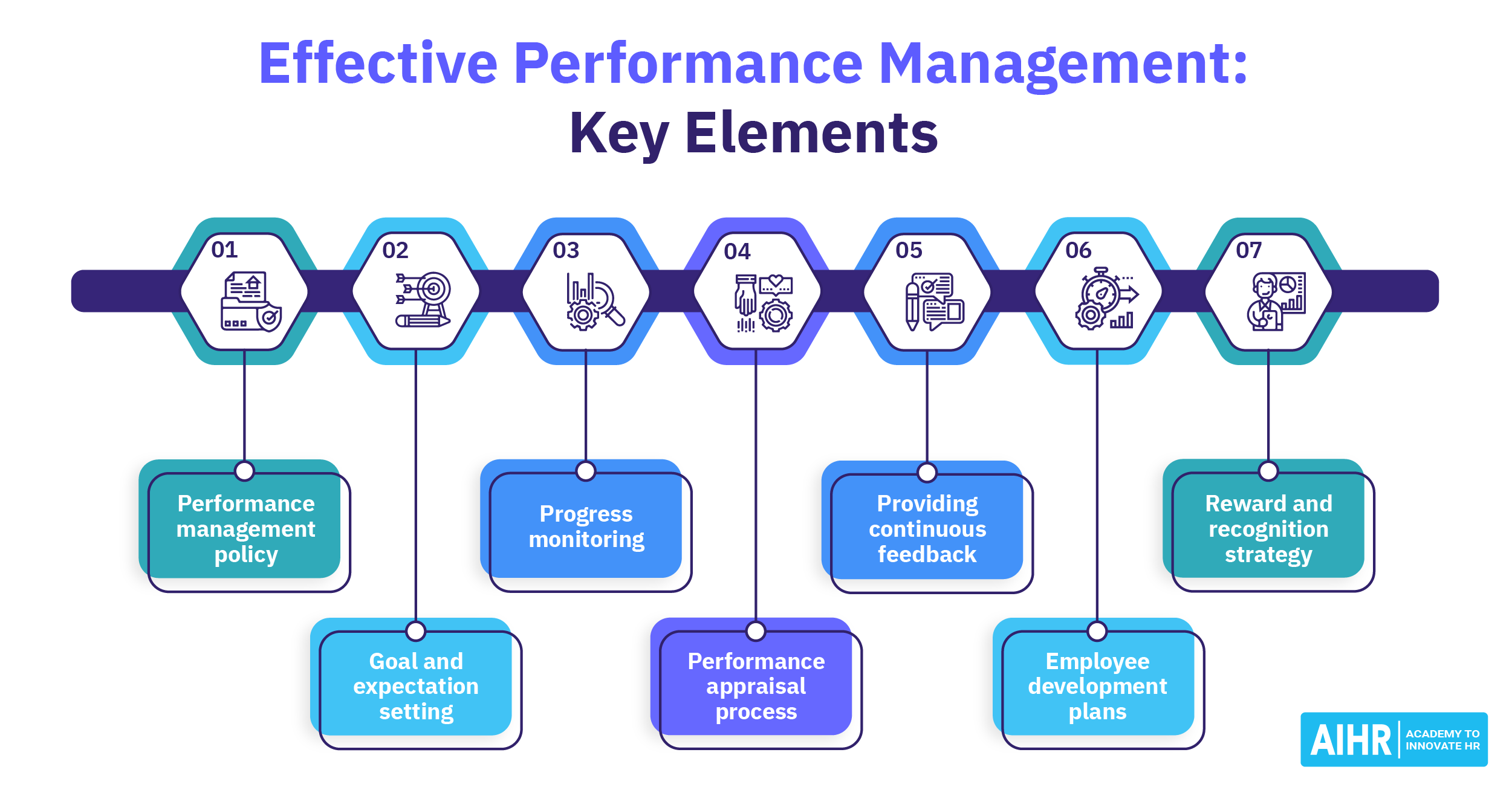
Performance Management
An essential part of staff management is performance evaluation and feedback. Here’s how to approach it effectively:
- Key Performance Indicators (KPIs): Define clear KPIs for each role so employees have a clear understanding of their objectives.
- Regular Evaluations: Schedule regular performance evaluations (e.g., annually, semi-annually) to discuss achievements, set new goals, and address any issues or concerns.
- Feedback Culture:Foster a culture of open and constructive feedback, encouraging employees to communicate their challenges and providing them with the necessary support.
Communication and Collaboration
Effective communication and collaboration are essential for a productive work environment. Consider these aspects in your staff management plan:
- Internal Communication: Establish efficient communication channels within your organization to facilitate the flow of information and ideas.
- Team Building:Encourage team-building activities to enhance collaboration and cohesion among employees.
- Conflict Resolution: Develop strategies for resolving conflicts and disputes among team members fairly and constructively.
Conclusion
An effective staff management plan is the cornerstone of organizational success. Remember that a successful staff management plan is not set in stone but should adapt and evolve to meet the changing needs of your organization and its workforce.
By following these guidelines, you can pave the way for a prosperous future for your organization.


