







Big cities are practically bursting at the seams. Underneath all those shiny towers and busy streets, there’s a tangled web of old pipes barely holding on. Keeping this hidden world running is a massive headache.
In the past, fixing a leak meant ripping up roads, stalling traffic, and burning through heaps of cash.
However, a new era of “surgical” maintenance is here. Non-invasive engineering, led by advanced video inspection, is changing how we preserve the veins of our cities without ever breaking the surface.
The Hidden Crisis Beneath Our Feet
As urban populations explode, the pressure on underground utilities becomes unsustainable. Many sewage and water systems in major hubs were built decades — sometimes even a century — ago.
The traditional “search and destroy” method of excavation is no longer viable in a high-density environment. It is too slow, too loud, and far too expensive for modern property managers.
This is where technology steps in to save the day. We’re finally ditching the “fix it when it breaks” mindset for something much smarter: tech-driven, proactive care.
Robotic Vision: The CCTV Revolution
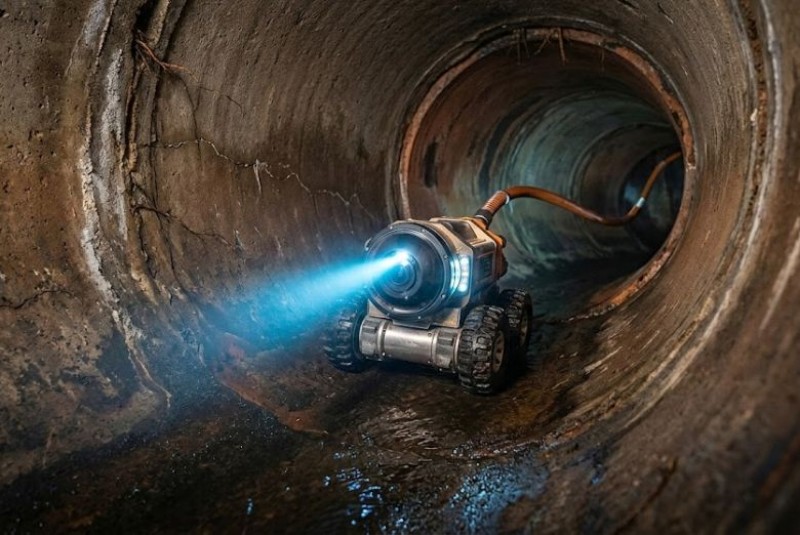
At the heart of this transformation is CCTV video inspection. Picture a rugged, compact robot outfitted with a high-definition, 360-degree camera, all linked back to a digital command center. Moving through grime and tight bends is tough, but these bots handle it with ease. They give crews a live, crystal-clear view of what’s happening underground without anyone needing to dig a single hole.
- Clearing the path: Whether it’s invasive roots or just a nasty grease buildup, these cameras pinpoint exactly what’s blocking the flow before it turns into a real mess.
- Preventing sudden blowouts: Spotting a tiny hairline fracture today means cities don’t have to deal with those massive, budget-draining pipe bursts that always strike at the worst possible time.
- Tracking every drop: There’s no more guessing where the water is going. We can now trace leaks with enough precision to stop waste right at the source.
- Checkups Without the Shovel: You get a full breakdown of the system’s status without the noise of a jackhammer or the mess of a massive, disruptive trench.
The real game-changer is mixing sharp video with AI brainpower. It’s not just a camera anymore; it’s deep data. New software spots red flags that a person might blink and miss by scanning hours of tape for wear and tear.
For property managers, this translates into “surgical repairs.” Instead of replacing a hundred meters of pipe, you can repair the specific ten centimeters that are actually failing.
Efficiency: Smart Spending, Faster Results
In city life, every minute counts. Old-school digging can paralyze a street for weeks, making everyone miserable. Video checks flip the script, cutting diagnostic time from days to mere hours.
This opens the door for “no-dig” fixes that strengthen pipes from within. Ditching the heavy excavators and the labor-intensive trenching process saves property owners a small fortune.
A Tech Wave Across Continents
Major cities everywhere are jumping on board with this digital approach to keep their streets running.
Industry leaders like Dezjato Desentupidora prove that you can’t tackle the chaos of a place like São Paulo with old tools. You really need that mix of local street-smarts and high-tech gear to keep a massive city from grinding to a halt.
Their work proves that high-density living requires equally high-tech solutions.
Why Property Managers Must Adapt
If you are managing a high-rise or a commercial complex, the “wait and see” approach is a liability. A single major leak can lead to structural damage and massive legal headaches.
Integrating video inspection into your routine maintenance schedule is the best insurance policy available. Think of it as a digital diary for your pipes—a reliable way to keep tabs on exactly how your infrastructure is holding up as the years roll by.
- Proactive Crisis Prevention: Catching minor glitches or small wear patterns during the “warning” phase, which lets you fix them on your own schedule before they become full-blown emergencies.
- Irrefutable Evidence for Pros: Maintaining high-definition video logs as undeniable proof of maintenance for insurance adjusters, city inspectors, and even future property buyers.
- Enhanced Asset Value: Well-maintained underground systems increase the lifespan of the entire property.
The Future of the “Smart City”
We are heading toward a future where our pipes might be as smart as our phones. The data collected by video robots today is the foundation for the “Smart Cities” of tomorrow.
We are moving toward a reality where robotic sensors stay embedded in the utility network 24/7. They’ll keep watch 24/7, flagging trouble before it even becomes a problem.
This level of connectivity will make our urban environments more resilient, sustainable, and pleasant to live in. The age of the jackhammer is slowly coming to an end.
Conclusion
Non-invasive engineering is more than just a convenience; it is a necessity for the survival of our growing cities. By embracing robotic eyes and AI diagnostics, we are choosing a smarter path.
We are moving toward a world where maintenance is invisible, quiet, and incredibly efficient. The revolution is happening right beneath your feet, and it’s being led by the power of video.
It is time to look at our infrastructure through a new lens — one that values precision over power and data over guesswork. Our cities deserve nothing less.


