




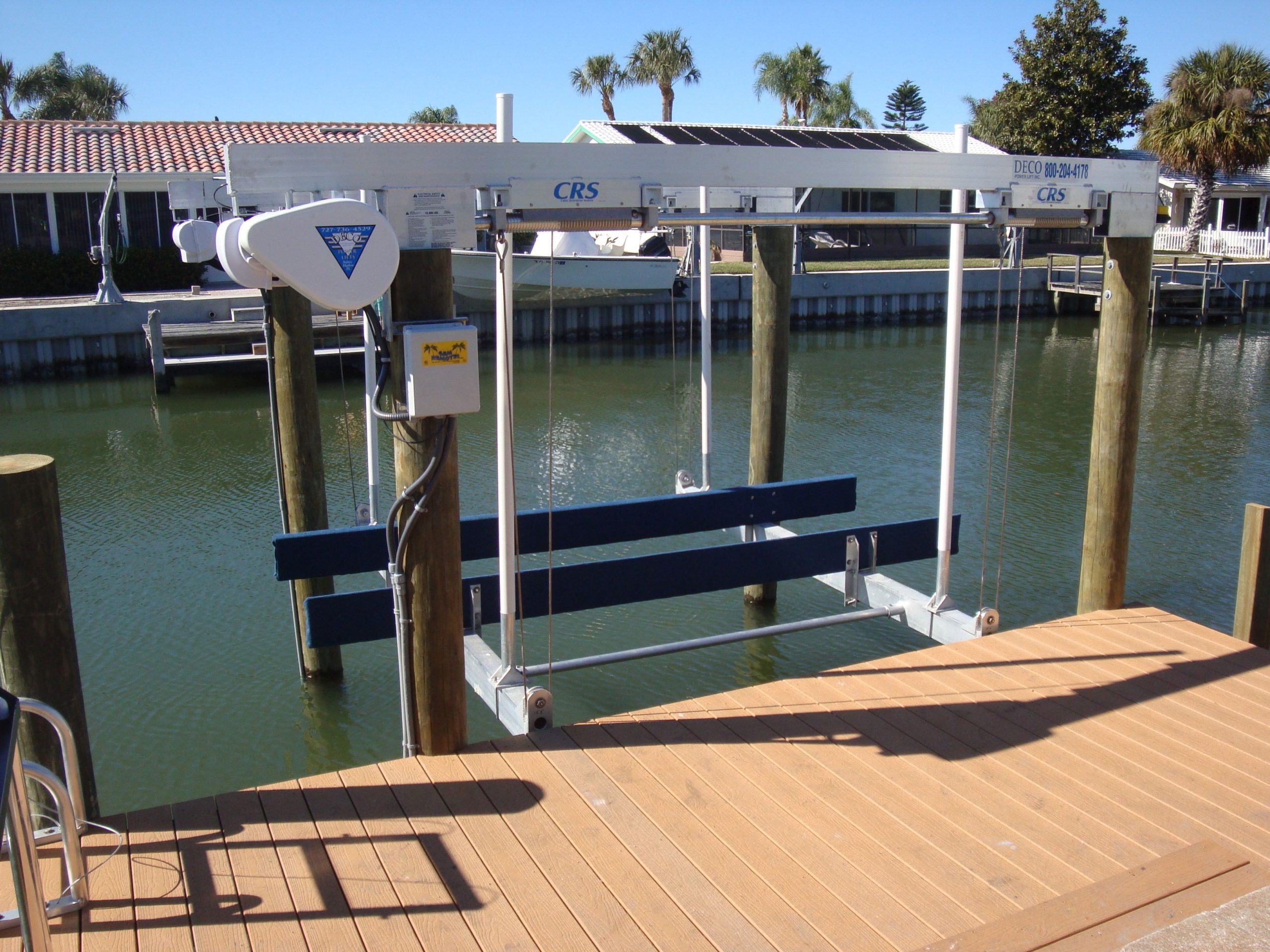


Are you a proud boat owner who wants to ensure their vessel stays in pristine condition? If so, then it’s crucial that you also pay attention to your boat lift! Neglecting its maintenance can lead to costly repairs and even endanger your safety. But don’t worry, we’ve got you covered with these 5 essential steps for proper boat lift maintenance. Keep reading and learn how to keep your lift running smoothly all season long!
Introduction to Boat Lift Maintenance
Boat lifts are an essential piece of equipment for any boat owner. They allow you to keep your vessel out of the water when it is not in use, which helps to protect it from the elements and potential damage. But like any other type of machinery, boat lifts require regular maintenance in order to keep them functioning properly.
Step 1: Inspect Your Boat Lift Regularly
It is important to inspect your boat lift regularly to ensure that it is in good working condition. You should check the following items:
- The frame for any cracks or damage
- The cables for any fraying or damage
- The pulleys for any wear or damage
- The winch for any damage
If you notice any of these issues, it is important to have them repaired as soon as possible to avoid further damage.
Step 2: Cleaning and Lubrication of Parts
It is important to keep your boat lift well lubricated and free of debris to ensure proper functioning and a long life. Start by wiping down all the exposed parts with a clean, dry cloth. Then, lubricate all moving parts with a marine-grade grease or oil. Pay special attention to the gears, bearings, and pulleys.
Once you have lubricated all the moving parts, you can turn your attention to the cables. The cables are what actually lift and lower your boat, so it is important to keep them in good condition. Inspect the cables for any fraying or damage. If you see any damage, it is best to replace the entire cable.
After inspecting and lubricating all the parts, it is a good idea to run the lift through a few cycles to make sure everything is working properly.
Step 3: Keep the Lift Free from Corrosion
It’s important to keep your boat lift free from corrosion, not only for the longevity of the lift, but also for the safety of anyone who uses it. Here are some tips for keeping the lift free from corrosion:
- Inspect the lift regularly for any signs of rust or corrosion. If you see any, take care of it immediately.
- If possible, avoid using salt water when operating the lift. Salt water is more corrosive than fresh water and can speed up the process of corrosion.
- Keep the area around the lift clean and free from debris. This will help prevent rust and corrosion from occurring in the first place.
Step 4: Check for Signs of Wear and Tear on the Structural Components
Now that you’ve given the main body of your boat lift a good once-over, it’s time to take a closer look at the structural components. Check for any signs of wear and tear, such as cracks, rust or corrosion. If you spot any damage, make sure to get it repaired as soon as possible to avoid further deterioration.
In addition, inspect all the bolts, nuts and other fasteners to make sure they are tight and in good condition. Loose or damaged fasteners can cause serious problems, so it’s important to catch them early.
Finally, take a look at the cables and pulleys to see if they need to be lubricated or adjusted. If you notice any fraying or damage on the cables, have them replaced immediately.
Step 5: Regularly Test for Proper Operation
It’s essential to regularly test your boat lift to ensure it’s in proper working order. Here are some tips for testing your lift:
- Check the batteries and voltage regularly. If the batteries are not holding a charge, they may need to be replaced.
- Inspect the cables and pulleys for wear and tear. If any of the cables or pulleys are frayed or damaged, they should be replaced.
- Test the motor by running it through a full cycle. If the motor is not running smoothly, it may need to be serviced.
- Make sure all the bolts and nuts are tight and secure. Loose hardware can cause serious damage to your lift.
- Always ensure that your vertical windlass is working.
Conclusion
Proper boat lift maintenance is an important part of owning and operating a boat, as it can help ensure that your lift remains functional for years to come. Following the five essential steps outlined in this article should give you a good foundation on which to build your own personal maintenance plan. Taking care of your boat lift will keep it running smoothly and safely, so make sure you adhere to these steps if you want to keep your investment safe and secure.


