





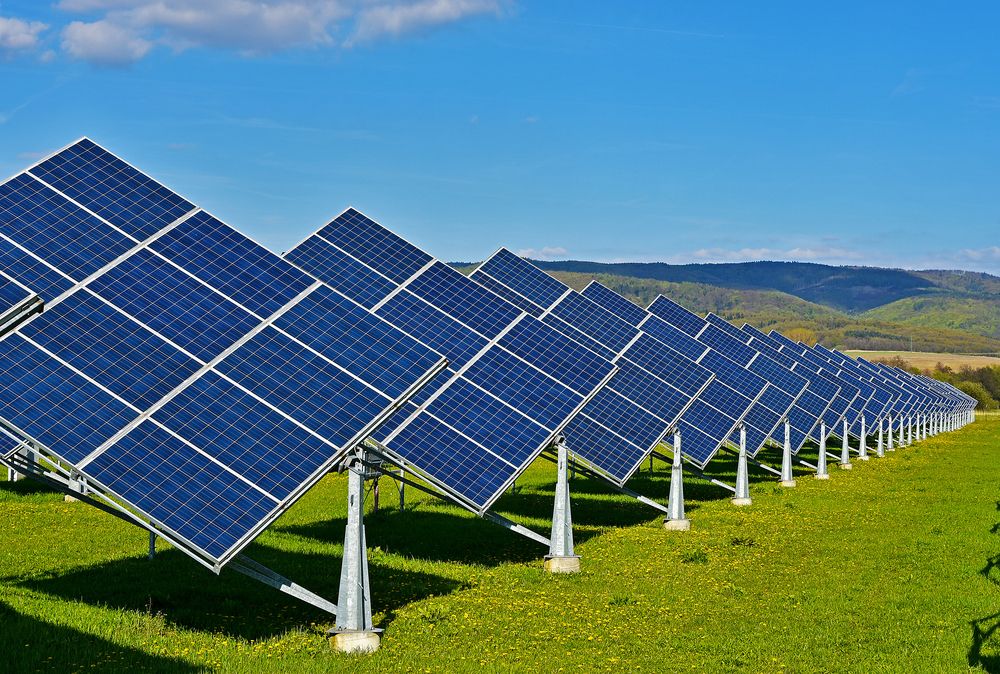


Are you tired of constantly rising energy bills and the negative impact traditional energy sources have on our environment? Look no further than solar panels. Not only do they provide a clean and sustainable source of energy, but they also save homeowners thousands of dollars in electricity costs over time.
In this blog post, we’ll explore why solar panels are the future of energy efficiency and how investing in them can benefit both your wallet and the planet. So let’s dive into the sunny world of solar power!
Introduction to Solar Panels
Solar panels are an increasingly popular way to generate electricity, and for good reason. Solar panels are a clean, renewable source of energy that can help reduce your carbon footprint and save you money on your energy bills.
Solar panels work by converting sunlight into electricity. They are made up of a series of solar cells that contain semiconducting materials like silicon. When sunlight hits the solar cells, it causes the electrons in the silicon to move around and create an electrical current. The current is then sent to an inverter, which converts it into usable AC power that can be used to power your home or business.
Solar panels are a great way to go green and save money on your energy bills at the same time.
Benefits of Using Solar Panels
There are many benefits to using solar panels, including the fact that they are a renewable resource. Solar panels can be used to generate electricity, heat water, and even power entire homes and businesses. They are also relatively low maintenance, making them an ideal option for those who want to reduce their carbon footprint. Solar panels can last for decades with proper care, and they continue to provide energy even when the sun isn’t shining.
The Cost of Installing Solar Panels
The solar panels cost has fallen dramatically in recent years, making them a much more viable option for homeowners and businesses alike. In fact, the average cost of installing a solar panel system has fallen by more than 50% since 2010, making it one of the most affordable options for renewable energy.
There are a number of factors that have contributed to the declining cost of solar panels. First, the price of photovoltaic (PV) cells, which are the key component in solar panels, has dropped significantly. The price of silicon PV cells has fallen by 90% since 2008, while the price of thin-film PV cells has declined by nearly 60%.
Second, the efficiency of solar panels has increased dramatically in recent years. The average efficiency of commercial PV cells has more than doubled since 2000, meaning that fewer panels are needed to generate the same amount of power. This has helped to drive down the cost of installation and maintenance for solar panel systems.
Finally, nyserda solar incentives have played a major role in making solar panels more affordable. In many countries around the world, there are now financial incentives available for homeowners and businesses who install solar panel systems. These incentives can cover up to 30% of the total cost of installation, making solar an even more attractive option.
Different Types of Solar Panels
Solar panels are becoming increasingly popular as a source of renewable energy. There are many different types of solar panels available on the market, each with its own advantages and disadvantages.
The most common type of solar panel is the crystalline silicon panel. These panels are made from silicon wafers, which are cut from large ingots of molten silicon. They are the most efficient type of solar panel, but they are also the most expensive. save homeowners thousands of dollars in electricity costs over time with the solar rebates QLD.
Another type of solar panel is the thin-film panel. Thin-film panels are made from a variety of materials, including cadmium telluride, copper indium selenide, and amorphous silicon. They are less efficient than crystalline silicon panels, but they are much cheaper to manufacture.
The third type of solar panel is the concentrator panel. Concentrator panels use mirrors or lenses to concentrate sunlight onto a small area of photovoltaic cells. They are very efficient, but they require a large amount of land to generate significant amounts of electricity.
The Advantages of Solar Energy
Solar energy is a renewable resource that can be used to generate electricity or heat. Solar panels convert sunlight into electrical energy, which can be used to power homes and businesses. Solar energy is a clean, emissions-free source of power, making it a sustainable choice for the future.
There are many advantages to using solar energy, including:
- Solar Energy Is Renewable
- Solar Energy Is Clean and emissions-free
- Solar Energy Can Be Used To Generate Electricity or Heat
- Solar Panels Can Help Save Money On Your Electric Bill
- Solar Energy Increases Property Value
- Solar Power Helps Create Jobs
How to Choose the Right Solar Panel
There are a few things to consider when selecting solar panels for your home or business. The following guide will help you choose the right solar panel for your needs.
- Determine the amount of power you need. Solar panels come in a variety of sizes, and the size you need will depend on the amount of power you require.
- Consider the efficiency of the solar panel. Not all solar panels are created equal, and some are more efficient than others.
- Determine the warranty and lifespan of the solar panel. Warranties vary, so be sure to select a solar panel that comes with a good warranty. You’ll also want to consider how long the solar panel is expected to last.
What to Consider When Buying a Solar Panel
There are a few things to keep in mind when shopping for solar panels. First, consider the cost of the initial investment and the long-term savings. Solar panels typically last 20–25 years, so factor in the cost of maintenance and replacement over that time frame. Second, think about the size of your home or business and your energy needs. You’ll need to purchase enough solar panels to generate enough power for your needs. Third, check local building codes and regulations regarding solar panel installation. Finally, consult with a professional to get an accurate estimate of what size system you’ll need and how much it will cost.
Conclusion
It is clear that solar panels are the future of energy efficiency. In states like Texas, several energy suppliers utilize solar energy, giving their consumers the power to choose waco energy plans. With their ability to generate electricity at a fraction of the cost and without generating any harmful emissions, they make a great choice for everyone looking to contribute towards a greener tomorrow. The technology continues to improve with time and will only become more cost-effective as time goes on. Investing in solar power now is an investment that will pay off in the long run – not just for you, but for your environment too!


