

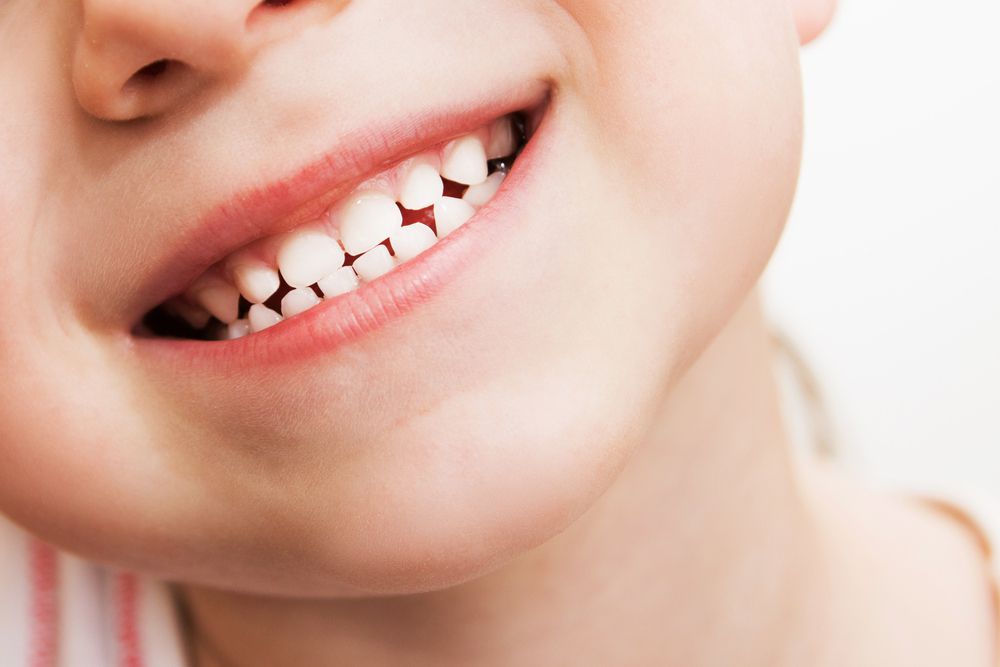

In the vast field of dentistry, a crucial aspect often escapes the awareness of many parents: the significance of caring for baby teeth. Within the professional environment of dental practices, it becomes evident through daily interactions that there exists a general lack of knowledge among parents regarding dentistry for young children.
However, it is imperative to recognise that the level of care provided to a child’s primary teeth can have a profound impact on their dental health in the long term. This article aims to underscore the importance of prioritising proper care for baby teeth and shed light on the enduring effects it can have on a child’s oral well-being throughout their lifetime.
Why Do Baby Teeth Matter?
Let’s explore some of the best reasons to take excellent care of your child’s baby teeth.
Establishing A Brushing Routine
When brushing your child’s teeth in the early stages of life, you establish a habit. Your child will become accustomed to their brushing routine and know how amazing it feels to have freshly brushed teeth!
This will set your child up well for later in life, ensuring they maintain good oral care habits when they become responsible for their hygiene.
Ensuring The Health Of Adult Teeth
Baby teeth are precursors to adult teeth. If a child’s milk teeth become decayed or infected, this can compromise the health of their adult teeth. The new teeth could become decayed or infected. Additionally, if the gums become damaged, this could affect the emergence of new teeth, causing poor positioning or pain. “Thus, by understanding the importance of oral health, parents can empower their children by implementing effective strategies and following the valuable tips for parents on children’s dental care.”
Reducing The Risk Of Decay
Tooth decay can affect your child at every stage – including their baby teeth. If you don’t brush your child’s teeth early on, they may become rotten or decayed. The sugary drinks, candy, and treats your child eats contain copious amounts of sugar, which can encourage the growth of bacteria – resulting in tooth decay.
How To Care For Milk Teeth
Here are our best tips for caring for your child’s milk teeth. Practice these habits to give your child the best start in life regarding their dental health.
Brush Your Baby’s Teeth
When your child starts developing teeth, you should brush them every morning and night. This professional dentist in Leominster also recommends flossing once your baby has two teeth touching each other. You can invest in a child-friendly toothbrush that will allow you to quickly brush your child’s teeth without hurting them. The bristles are softer for a gentle clean. You can even invest in some fun-flavoured toothpaste to make the brushing routine more exciting for your little one.
Wipe Your Baby’s Gums
If you don’t clean your baby’s gums, residual bacteria can cause plaque buildup on the teeth. Using a damp cloth, try wiping your baby’s gums to reduce the amount of residual bacteria left in the mouth after brushing and any leftover pieces of food.
Avoid Sugar
While it can be impossible to completely deny your child sugary treats and foods, minimising their sugar consumption is essential. Try switching out their favourite snacks for sugar-free alternatives – it will do wonders for your child’s overall health and teeth.
Visit Your Dentist
Once your child has developed milk teeth, you should take them to visit your local dentist regularly – at least once a year. Not only will this allow you to spot any issues with your child’s dental health, but it will also help to establish a routine and make your child feel less scared about visiting the dentist in later life.
Summary
It’s important to remember that although your child may not have their baby teeth for long, caring for them is vital to promote long-term dental health. Establishing good dental hygiene practices early will set your child up for a lifetime of clean and plaque-free teeth.
