

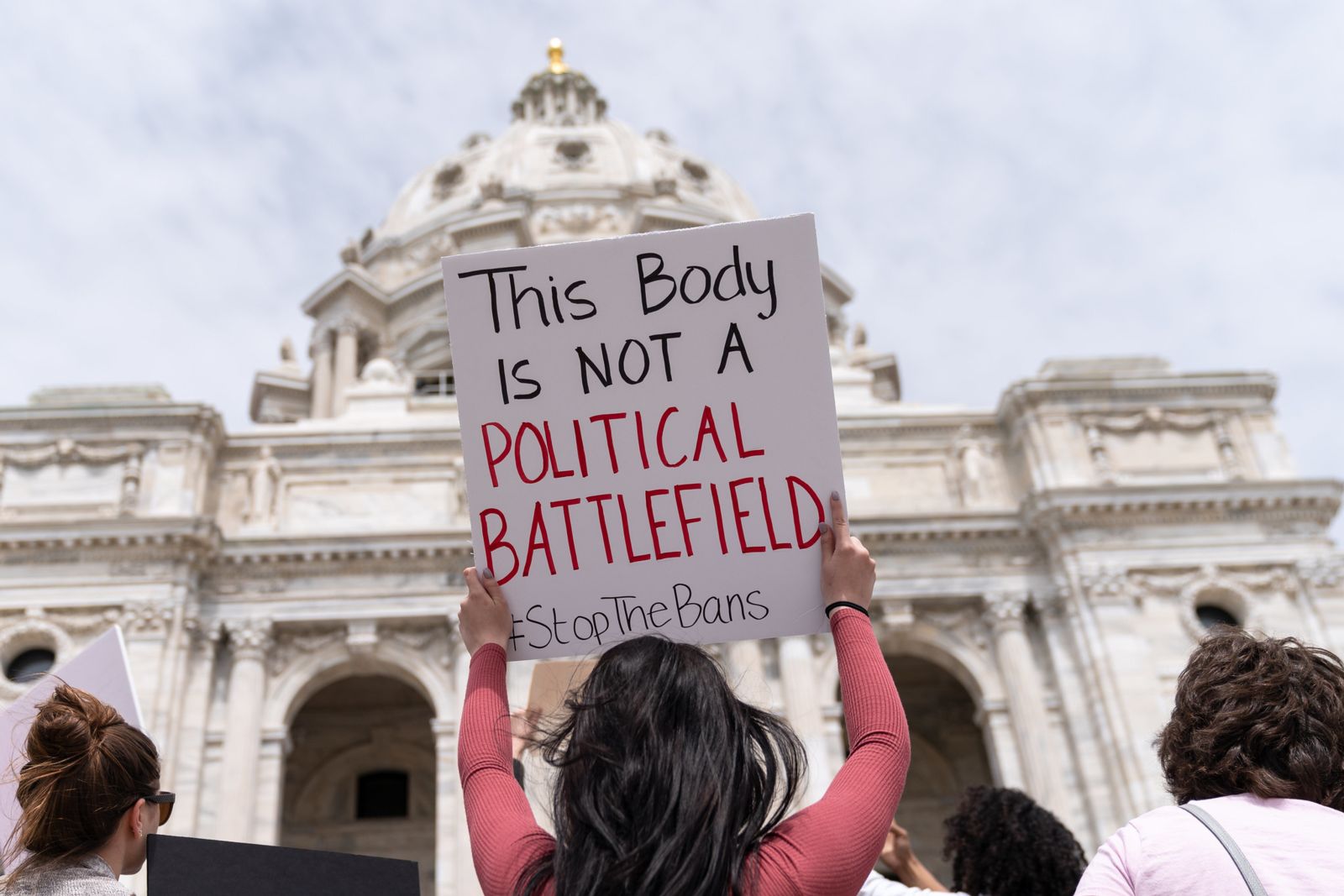

Education is a powerful tool we tap into to make informed choices. Regarding reproductive health, it could mean the difference between life and death. Thankfully, access to accurate information about abortion and contraception helps individuals better understand the issues surrounding this critical topic.
For starters, you can access abortion-related information and learn more about Pregnancy Resource Center by visiting their website. The center helps women make the right choices touching on their reproductive health. But why does abortion education matter? Let’s dig deeper to unearth its importance.
1. Reducing stigma
Abortion education plays a significant role in reducing stigmatization associated with the medical procedure. By accessing accurate and comprehensive information regarding the process, risks, and implications of abortion, individuals can better chart their course.
This approach fosters a respectful and inclusive environment where individuals feel supported and safe to discuss their experiences and concerns. Abortion education also helps dismantle the negative stereotypes and judgments that often accompany the difficult choice by dispelling myths and confronting misconceptions. In turn, it creates a foundation for empathy and understanding, enabling societies to disengage from the stigmatization and discrimination that can negatively impact those faced with decisions related to abortion.
Sadly, the stigma surrounding abortion services is still alive. Centers offering abortion-related services and care are often met with opposition and criticism. For instance, there have been efforts to pass laws threatening the availability of these services, including buffer zone laws that limit access to abortion clinics, and other attempts at curbing women’s reproductive rights. Education is the key to dismantling such negative societal influences and creating a more informed, understanding public that can make decisions based on facts, not fear or prejudice.True Choice is an abortion clinic in San Diego that provide individuals with evidence-based reproductive healthcare and educational services.
2. Improving Access to Safe Abortion
Abortion education increases awareness about the availability of abortion services and reduces confusion about accessing such services. Through proper educational initiatives, individuals can learn about the different types of abortion and understand the laws regulating them. This knowledge helps women decide the way forward while ensuring they know all the options.
Without information, some women resort to unsafe abortions, which endanger their lives and negatively affect their reproductive health. Likewise, the lack of access to abortion services in developing countries often forces individuals to resort to unsafe procedures, increasing their risk of death due to complications.
Others believe that since it’s illegal to have an abortion in certain countries, they can’t access such services, even on medical grounds. Abortion education encourages individuals to learn more about their reproductive health and rights, helping them understand they can safely access abortion services when needed.
3. Providing Accurate Information
Education plays a pivotal role in the dissemination of accurate information and the improvement of reproductive health. Thus, the provision of scientifically sound and unbiased information promotes a better understanding of abortion as a healthcare service.
Furthermore, it leads to better outcomes for individuals and their communities as they can make informed choices. Through increased awareness of available options, potential risks, and best practices, abortion education fosters a more supportive environment in which individuals can make crucial choices related to their reproductive future with a greater sense of autonomy and support. This emphasis on knowledge and understanding is also crucial to the overall elevation of reproductive health and the protection of reproductive rights.
4. Averting Unintended Pregnancies
The UN’s sexuality education guidance highlights the need for information about reproductive health. It also points out that the prevalence of unintended pregnancies drops significantly when individuals receive comprehensive sexuality education.
When women see the big picture – the impact of an unplanned pregnancy on their present and future lives – they can choose an alternative path. Mostly, they opt for contraception or other forms of birth control.
By adopting such proactive measures, they reduce their risk of unintended pregnancies, which would otherwise result in unsafe abortions and associated health risks. Plus, they can plan when to become pregnant, if desired. In short, they have better control of their bodies and can avoid making the tough choice of having an abortion.
5. Reducing Rates of Infant Mortality
Comprehensive abortion education programs emphasize the importance of early recognition and proper prenatal care, which helps decrease the risks associated with unintended pregnancies and infant mortality. Likewise, education on the provision of legal and safe abortion ensures expectant mothers, who may face potentially fatal medical complications, have access to necessary services conferring crucial benefits to maternal and infant health.
We can only foster a healthier and better-informed society by investing in widespread abortion education. That way, we can empower individuals by equipping them with the knowledge necessary to make better decisions regarding their reproductive health and well-being.
