

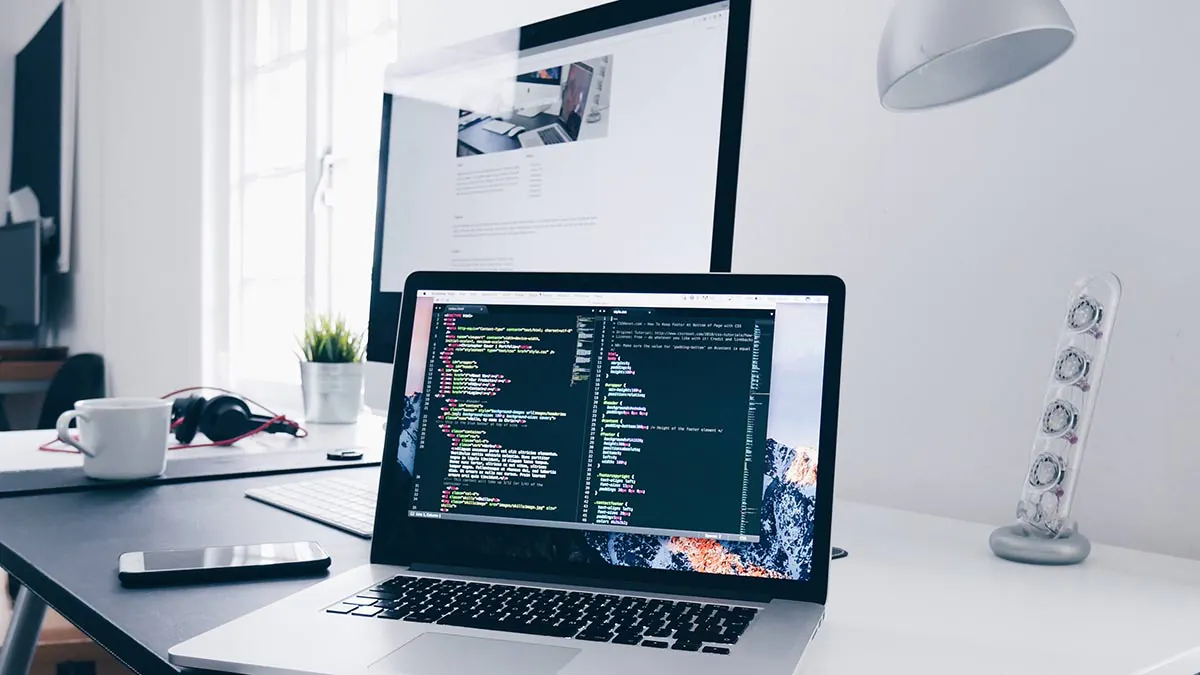

A web designer can be the key to achieving an eye-catching, professional presence online. By leveraging their cutting-edge design techniques and knowledge of code languages like HTML and CSS, a talented web designer like Peek Web Designs can shape the way people experience your brand on the web. Let’s delve into what exactly makes a web designer so crucial for successful websites by examining their job description in detail.
Website Planning and Design
Before any website is created, a web designer must first plan and design it. This entails identifying the target audience, researching the competition, and determining the website’s goals and objectives. The web designer is also responsible for creating a site map, prototype, and wireframes. These preliminary designs are then presented to stakeholders for feedback and approval.
Web Designers make use of a number of web design principles in order to create visually stunning and user-friendly websites. These principles include layout and composition, color, typography, imagery, and white space, to name a few. They must also consider web design trends, user experience (UX), and mobile responsiveness.
Website Development
Once the design has been approved, the web designer is responsible for the development of the website. This involves the creation of a framework, coding the website, and implementation of the design. They must also ensure that the website is responsive and displays correctly on different devices.
Web designers use web development technologies and coding languages such as HTML, CSS, and JavaScript. They must also be proficient in UX and user interface (UI) design to create an intuitive user experience.
Search Engine Optimization (SEO)
An important aspect of web design is search engine optimization (SEO). SEO involves the optimization of a website to rank higher in search engine results pages (SERPs). Web designers are responsible for optimizing website content, creating a sitemap, implementing meta tags and descriptions, and ensuring that the website is mobile-friendly.
Web designers also must consider website loading speed and page weight when implementing SEO tactics. Google has recently listed website loading speed as a major factor in website ranking.
Content Creation and Management
This includes writing website copy, sourcing and editing media such as images and videos, and ensuring that website content is accessible to all users.
Web designers also use Content Management Systems (CMS) such as WordPress to create and manage website content. With these tools, web designers can create websites that are easy to update and manage.
Graphic and Multimedia Design
Web designers are responsible for creating and implementing graphic and multimedia elements. This includes the creation of logos, icons, and other visual elements. They may also include multimedia elements such as videos and animations to engage users and make the website more dynamic.
Usability Testing
Usability testing is an essential aspect of web design. It involves testing the website for ease of use and identifying any barriers that may prevent users from using the website. Web designers must also consider accessibility requirements for users with disabilities such as the visually and hearing impaired.
What Are the Traits that a Web Designer Must Possess?
Apart from knowledge of programming languages and platforms, many traits a web designer must possess include attention to detail, creativity, good communication skills, and the ability to work under pressure.
Attention to detail is critical in ensuring that the website’s design is not only beautiful but also functional. The designer must have a keen eye for color, typography, and spacing to create an interface that is user-friendly and easy to navigate.
Creativity is another essential trait for web designers. A good web designer understands that the web is a dynamic space where trends come and go very quickly. As such, they must be creative and stay up-to-date with emerging trends to create websites that are fresh, visually appealing, and competitive.
A web designer must interact with the client, team members, and other stakeholders effectively. Clear communication ensures everyone involved in the project understands the requirements, project timelines, and any changes to the plan.
The rise of the web designer has opened up so many opportunities for those willing to learn about both coding and design, offering a chance to combine different artistic skills into creating an impactful digital space. It’s so exciting to see the endless possibilities that both modern technology and design can bring together and as it continues developing further, we’re sure to find plenty of surprise and innovation from our hardworking web designers. So don’t hesitate to reach out if you’re looking for help building your own online presence. After all, this beautiful merge between creative minds and fabulous tech is certainly worth exploring.
