





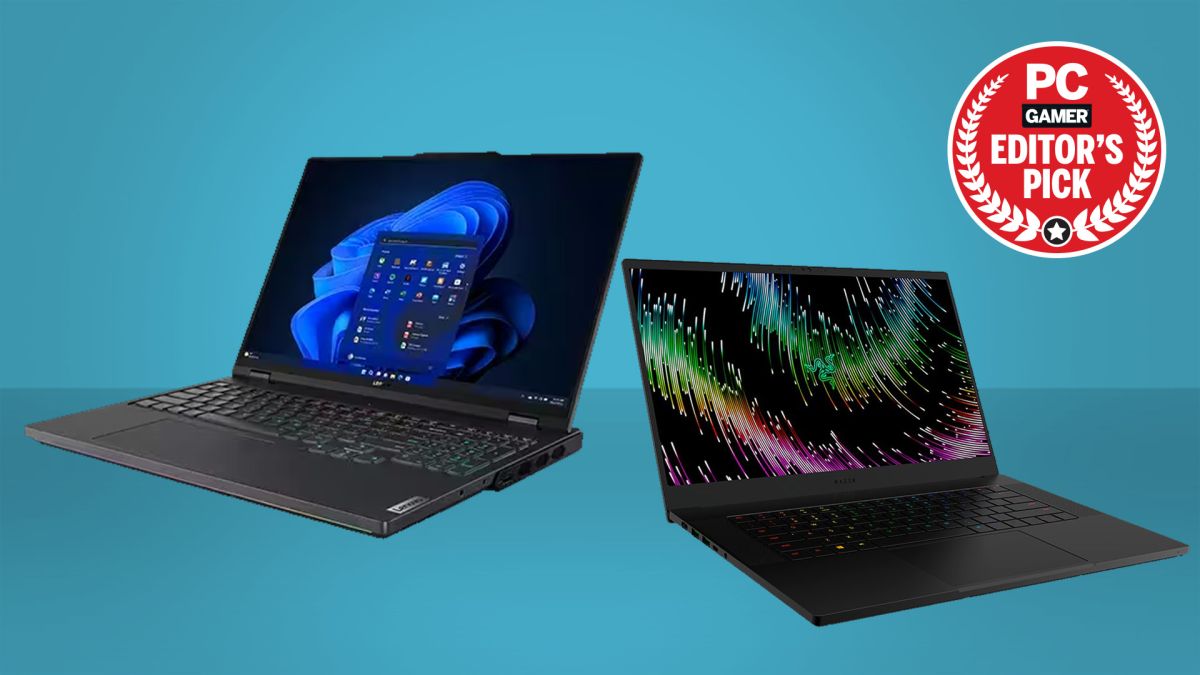


The screen size determines the overall gaming experience. The right screen size can enhance immersion, provide a wider field of view, and allow for better visibility of game details. However, selecting the ideal screen size involves consideration of personal preference, portability, and performance requirements.
Check out the best gaming laptops under 700!
Screen sizes for gaming laptops typically range from 13 to 17 inches, with larger options also available. The most common sizes for gaming laptops are 15.6 inches and 17.3 inches.
Let’s explore the factors to choose the best screen size for gaming on a laptop.
Immersion and Visual Experience
For several reasons, a larger screen size can provide a more immersive gaming experience on a laptop. First, a larger screen allows you to see more of the game world, which can help you to stay more immersed in the game.
Second, a larger screen can provide a better sense of depth perception, making games more realistic.
Third, a larger screen can make seeing small details in the game more accessible, which can be important for competitive gaming. A larger screen offers better visibility and makes seeing the game’s enemies and other vital details easier. This higher visibility can be beneficial in fast-paced games or games with much action.
Portability
Portability is crucial, especially if you plan to use your gaming laptop on the go or in different locations. Smaller screen sizes, like 13 to 14 inches, offer greater portability due to their compact and lightweight design. They are easier to carry and fit into backpacks or travel bags. On the other hand, larger screen sizes, like 17 inches, provide a more immersive experience.
Performance and Graphics
The screen size of a laptop can impact its performance, especially when it comes to gaming. A larger screen often requires more powerful hardware to maintain smooth gameplay and high frame rates.
The screen size of a laptop can impact its performance in two ways:
Resolution: The higher the screen’s resolution, the more pixels the laptop’s graphics card has to render. This higher resolution can lower frame rates, especially in demanding games.
Refresh rate: The screen’s refresh rate is the number of times per second it is updated. A higher refresh rate can lead to smoother gameplay, especially in fast-paced games. However, higher refresh rates require more processing power from the laptop’s graphics card.
The laptop’s graphics card also plays a role in determining the optimal screen size. A laptop with a powerful graphics card can support a higher resolution and refresh rate, which can benefit gaming. However, a laptop with a less powerful graphics card may not support a high-resolution screen so a smaller screen size may be a better option.
Viewing Distance and Ergonomics
Consider the viewing distance. A larger screen size may require you to sit farther away from the laptop to view the entire screen comfortably. Maintaining a suitable viewing distance reduces eye strain and ensures an ergonomic setup. A smaller screen size may be more appropriate if you have limited space or prefer to sit closer to the screen.
Ergonomics is the study of designing things that are comfortable and efficient. A smaller screen size can be more ergonomic if you have limited space, allowing you to position the laptop closer to your body. This adjustment can help to reduce neck and shoulder strain.
Budget
Screen size can also affect the cost of a gaming laptop. Generally, larger screen sizes are pricier, especially with high-resolution displays. Establishing a budget and determining the balance between screen size and other hardware specifications within your price range is essential.
A popular choice for gaming laptops is the 15.6-inch screen size. It balances portability and visual experience, making it a versatile option for gamers. Most gaming laptops in this size range offer a good compromise between performance, resolution, and mobility, capable of delivering immersive visuals without compromising portability.
For gamers who prioritize a larger screen size and a more immersive experience, 17.3-inch laptops are available. These laptops offer a larger viewing area, which can benefit open-world games or those with detailed graphics. However, they tend to be bulkier and heavier, making them less suitable for frequent travel or on-the-go gaming.
Concluding Remarks
Ultimately, the best screen size for a gaming laptop depends on personal preference and intended usage. Factors like immersion, portability, performance requirements, viewing distance, and budget are recommended.
Additionally, reading reviews and comparing specifications of different laptops can help you find the right balance between screen size and other essential features to enhance your gaming experience.


