

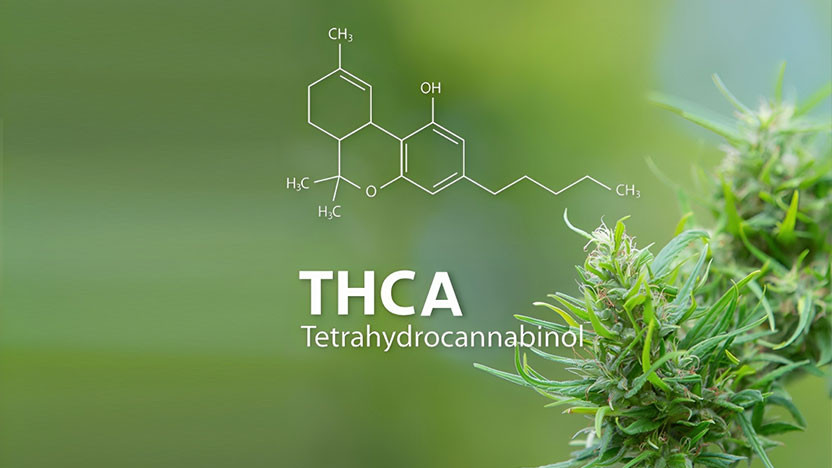

Tetrahydrocannabinolic acid (THCA) flower is a type of cannabis that is gaining attention for its potential wellness benefits before it’s converted into THC, the main psychoactive component of cannabis. Unlike THC, THCA is non-psychoactive in its raw form. This means that consuming THCA flower won’t produce the “high” typically associated with cannabis, allowing you to benefit from its properties while remaining clear-headed. Understanding the various consumption methods for THCA flowers can help you choose the one that’s right for you.
Each method of consuming THCA flower has its unique characteristics that influence the overall experience and effectiveness. Smoking remains a classic approach, where the heat causes THCA to convert into THC. However, other methods like vaping, using tinctures, or incorporating into edibles allow for different experiences and effects. The heat involved in vaping is controlled, reducing the conversion of THCA to THC and potentially retaining more of its raw properties, while edibles offer an alternative for those preferring to avoid inhalation.
Key Takeaways
-
THCA flower is a non-psychoactive form of cannabis offering clear-headed benefits.
-
Consumption methods include smoking, vaping, tinctures, and edibles, each with unique effects.
-
Selecting the right method depends on personal preference and the desired balance of THCA and THC.
Methods of Consuming THCA Flower
THCA flower offers diverse ways to experience its potential. Understanding these methods enables you to integrate THCA into your routine effectively.
Smoking and Vaping
By smoking THCA flower in its natural bud form, you inhale cannabinoids quickly, providing a rapid onset of effects. Options include joints, pipes, and water pipes. Vaping heats the flower at a lower temperature than smoking, releasing its active compounds in vapor form, which many find to be less harsh on the lungs.
Edibles and Tinctures
Edibles are a smoke-free way to consume THCA flower by infusing it into butter or oil and then using it in cooking. The onset of effects is slower, yet the duration can be longer-lasting. Tinctures are liquid extracts taken sublingually, having a relatively quick onset and precise dosing.
Topicals and Concentrates
THCA can be applied via topicals, such as creams and balms, which may provide localized relief. Concentrates like oils, waxes, and isolates are potent forms of THCA, designed for use in dabbing or with specialized vaping equipment.
In each method, the quality of the THCA flower can influence your experience, so choose strains that reflect your desired outcomes and ensure they are tested for cannabinoids, terpenes, and contaminants.
Comparing Efficacy and Preferences
When exploring consumption methods of THCA flower, you’ll need to weigh the efficacy and personal preferences, taking into account factors like potency and decarboxylation.
Efficacy of Different Methods
Smoking and vaporizing THCA flower are commonly utilized for their immediate effects, as heat initiates the decarboxylation process, converting THCA into the psychoactive THC. Dabbing is known to be significantly more efficient at delivering THC. However, efficacy also includes the consideration of taste and therapeutic benefits, where methods like edibles—though they have a delayed onset—may provide a different range of effects due to the prolonged digestion process.
Edibles and Oils: Ingesting cannabis through products like edibles or tinctures offers effects that last longer than inhalation, but they require more time to take effect. Consuming via these methods calls for attention to the right dosage, as edibles must be metabolized by your body before the effects are felt.
-
Vaping: A method favored for its efficiency, discretion, and preservation of flavor.
-
Smoking: Offers quick onset but may come with stronger side effects and a more intense taste.
-
Edibles: Lead to a prolonged experience, with variable potency depending on digestion.
Considerations for Consumers
As a cannabis enthusiast, you should consider local laws and consult with a healthcare professional if using cannabis for therapeutic reasons. Your personal preference plays a significant role in the choice of consumption methods, as do potential side effects. Always take into account the individual needs that might sway your decision towards one method over another.
-
Legality: Make sure you’re well-informed on the legalization and local laws surrounding various consumption methods.
-
Potency: Different methods can alter the potency due to how THCA is converted into THC.
-
Health: Discuss with a healthcare professional to understand how different methods may interact with your health.
No single method suits everyone; it’s about finding what’s right for your lifestyle and needs.
Conclusion
When selecting a method to consume THCA flower, it’s important to prioritize your individual preferences and intended effects. Vaping and smoking are the most common methods and facilitate the decarboxylation process, allowing THCA to convert into THC and activate its psychoactive effects. For those seeking non-psychoactive benefits, juicing or incorporating raw cannabis into your diet may offer a way to experience the properties of THCA directly. Each method provides a unique experience and understanding these differences ensures you can make an informed decision that aligns with your wellness goals.
