

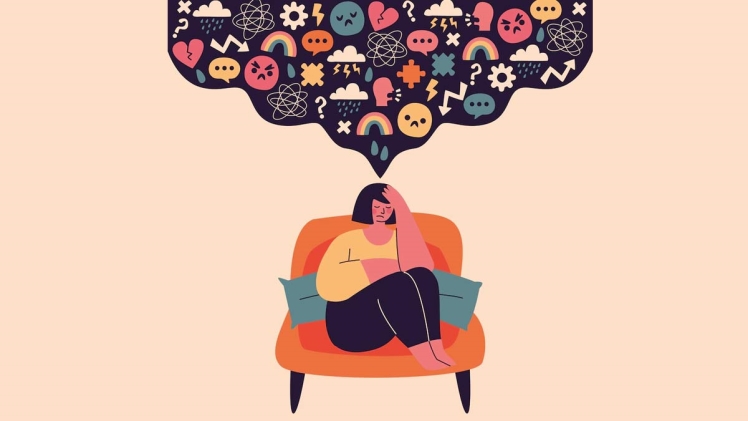

In today’s digital age, social media platforms provide avenues for connection, self-expression, and information sharing. However, it is crucial to examine the impact of social media on mental health, as excessive use and certain online behaviors can have both positive and negative effects.
The following are the positive impacts:
Social Connection
Social media platforms facilitate connections with friends, family, and communities around the world. They can be especially beneficial for individuals who may feel isolated or have limited opportunities for in-person socialization. Through social media, people can maintain relationships, find support networks, and engage in meaningful conversations.
Information & Awareness
Social media allows easy access to information and resources on mental health topics. It can raise awareness, promote understanding, and facilitate discussions about mental health conditions. Social media platforms serve as spaces for sharing personal experiences, reducing stigma, and encouraging help-seeking behaviors.
Expression & Creativity
Social media offers platforms for self-expression, creativity, and sharing one’s interests and talents. Engaging in creative activities, such as writing, photography, or art, can have positive effects on mental well-being. Social media provides a space for showcasing and receiving validation for these creative endeavors, fostering a sense of accomplishment and self-worth.
Support & Encouragement
Online communities focused on mental health can offer valuable support, empathy, and encouragement. They create safe spaces for individuals to share their struggles, seek advice, and find solace in the understanding of others who have had similar experiences. Social media can provide a sense of belonging and a reminder that one is not alone in their mental health journey.
The following are the negative impacts:
Social Comparison
Social media platforms often present a curated version of people’s lives, showcasing their highlights and accomplishments. This can lead to social comparison and feelings of inadequacy or low self-esteem. Constant exposure to seemingly perfect lives can create unrealistic expectations, leading to feelings of dissatisfaction and negatively impacting mental well-being.
Fear of Missing Out (FOMO)
The constant stream of updates and activities on social media can induce a fear of missing out. Seeing others engaging in exciting events or experiences may generate anxiety or the perception of being excluded. FOMO can contribute to feelings of loneliness, anxiety, and dissatisfaction with one’s own life.
Cyberbullying & Online Harassment
It may be a breeding ground for cyberbullying. Negative comments, trolling, and harassment can significantly impact mental health, leading to feelings of shame, anxiety, and even depression. Online abuse can have long-lasting psychological effects and erode one’s sense of safety and self-worth.
Addiction & Time Distortion
Excessive use of social media can lead to addiction-like behaviors, causing individuals to spend excessive amounts of time on these platforms. This can result in neglecting real-life relationships, responsibilities, and activities. The constant exposure to online content can also distort one’s perception of time, leading to procrastination, reduced productivity, and heightened stress levels.
Sleep Disturbance
The use of social media, particularly before bedtime, can disrupt sleep patterns. The blue light emitted by screens and the engaging nature of social media content can interfere with the body’s natural sleep-wake cycle. Sleep deprivation can contribute to mood disturbances, impaired cognitive function, and overall mental health problems.
In order to mitigate these negative impacts, you need to be mindful of your social media usage and the emotions it elicits. Set boundaries and allocate specific times for social media engagement to prevent excessive use and maintain a healthy balance with real-life activities.
