

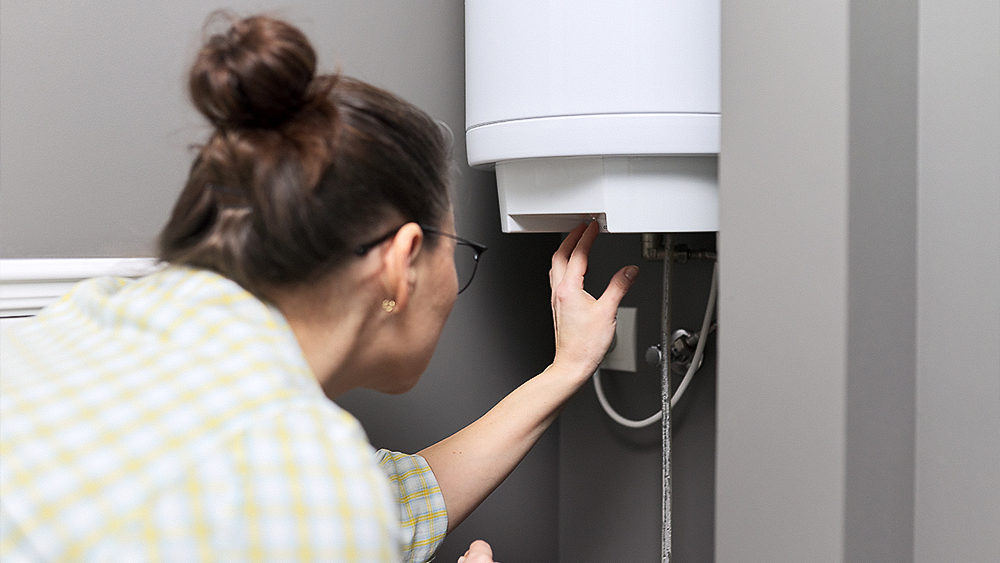

The water heater in your home is an important appliance that provides hot water for bathing, cleaning, and other household tasks. While water heaters are generally safe, regular maintenance and safety precautions are required to ensure trouble-free operation and prevent accidents. In this comprehensive guide, we’ll look at essential water heater safety tips for homeowners to help you keep your home’s hot water supply safe and efficient.
- Regular Maintenance is Key
Do: Schedule routine water heater maintenance. Professional inspections performed by a qualified technician can identify potential issues before they become major issues. An annual check-up is usually advised.
Don’t: Ignore maintenance. By skipping regular inspections, hidden problems can go undetected until they become more severe and expensive to repair.
- Modify the Temperature
Do: Set the thermostat on your water heater to a safe and energy-efficient temperature, typically around 120°F (49°C). This temperature is warm enough for daily use while lowering the risk of scalding.
Don’t: Allow the water to become too hot. Setting the temperature too high increases the risk of burns while also wasting energy and hastening sediment buildup in the tank.
- Examine for Leaks
Do: Inspect your water heater and the surrounding area on a regular basis for signs of leaks or moisture. Water heater leaks can cause water damage and hazardous conditions.
Don’t: Ignore leaks at all costs. Address any leaks as soon as possible to avoid further damage and mold growth.
- Ensure Adequate Clearance
Do: Make sure your water heater has enough space between it and any nearby objects or materials. Follow the manufacturer’s recommendations for minimum clearance distances, which are typically 24 inches (61 cm) around the unit.
Don’t: Keep flammable materials away from the water heater and avoid placing obstacles near it. Blocked vents or nearby flammable items can cause fires.
- Install a TPR Valve (Temperature and Pressure Relief Valve)
Do: Install a TPR valve on your water heater. This valve allows excess pressure and temperature to be released, preventing the tank from becoming overly pressurized and potentially exploding.
Don’t: Avoid obstructing or tampering with the TPR valve. This valve is an important safety feature that should never be blocked or disabled.
- Perform an Annual TPR Valve Test
Do: At least once a year, test the TPR valve. Place a bucket beneath the discharge pipe, lift the valve’s lever, and let water flow into the bucket. Replace the valve immediately if it does not function properly or leaks afterward.
Don’t: Forget to test the TPR valve. A faulty or clogged valve can cause dangerous pressure buildup inside the tank.
- Wrap Hot Water Pipes In Insulation
Do: Insulate hot water pipes to reduce heat loss and the risk of scalding. Insulation aids in the retention of hot water temperature and improves energy efficiency.
Don’t: Over-insulate the water heater, particularly if it’s a gas unit. Covering the unit may obstruct proper ventilation and pose a safety hazard.
- Exercise Caution When Performing DIY Repairs
Do: If you have basic plumbing skills and knowledge, you can perform minor maintenance tasks such as draining the tank to remove sediment. However, for major repairs or questions, it’s best to consult a professional plumber.
Don’t: Attempt complex repairs unless you have the necessary expertise. If not done correctly, DIY plumbing projects can frequently lead to more serious issues. For more complicated issues, consult a professional plumber.
- Examine for Corrosion
Do: Inspect the tank on a regular basis for signs of corrosion, particularly at the bottom where it is most common. Corrosion can corrode the tank and cause leaks.
Don’t: Avoid ignoring corrosion. If you notice a lot of corrosion, it may be time to replace your water heater.
- Think About Installing an Expansion Tank
Do: Consider installing an expansion tank if you have a closed-loop plumbing system and a water heater with a check valve or pressure-reducing valve. This can help prevent excessive pressure buildup and help your water heater last longer.
Don’t: Ignore the significance of pressure management in your water heater system, as it can cause damage over time.
- Inform Your Family
Do: Make sure that everyone in your household knows where the water heater is, where the gas shut-off valve is, and how to turn off the gas and water supply in an emergency.
Don’t: Assume that everyone in your home knows what to do in the event of a water heater failure. Review safety procedures with your family on a regular basis.
- Replace an Old Water Heater
Do: Keep an eye on the age of your water heater. Conventional tank water heaters typically have a lifespan of 10-15 years. To avoid unexpected failures, consider replacing your unit when it reaches the end of its lifespan.
Don’t: Continue to use an old, inefficient water heater that is nearing the end of its useful life. Newer models are more efficient and dependable.
- Carbon Monoxide Detectors Should Be Installed
Do: Install carbon monoxide detectors in your home if you have a gas water heater. Carbon monoxide can be produced by gas water heaters, and detectors can alert you to any leaks or malfunctions.
Don’t: Ignore carbon monoxide safety because it is a colorless, odorless gas that can be fatal if not detected.
14 Obtain the Services of a Qualified Professional for Installation and Repairs
Do: Hire a qualified professional with the necessary licenses and certifications when water heater replacement or making major repairs. For safety and efficiency, proper installation and maintenance are critical.
Don’t: Try to install a water heater yourself, especially if you’re inexperienced. Poorly installed units can pose serious safety hazards.
- Be Prepared in Case of Emergencies
Do: Make a plan for dealing with water heater emergencies. This plan should include the location of gas and water shut-off switches, contact information for a professional plumber, and knowledge of the shut-off valves.
Don’t: Assume that water heater emergencies will never occur. Being prepared can help to reduce potential damage and hazards.
Conclusion
Maintaining a safe and efficient water heater is critical for your home’s comfort and safety. By adhering to these dos and don’ts, as well as prioritizing regular maintenance and safety precautions, homeowners can ensure the longevity and dependability of their water heater while reducing the risk of accidents or unexpected breakdowns. Water heater safety is an important aspect of keeping your home comfortable and secure for you and your family. Learn more about True Plumbing, your trusted partner for water heater installation, maintenance, and repairs, to ensure your water heater remains in top-notch condition.
