





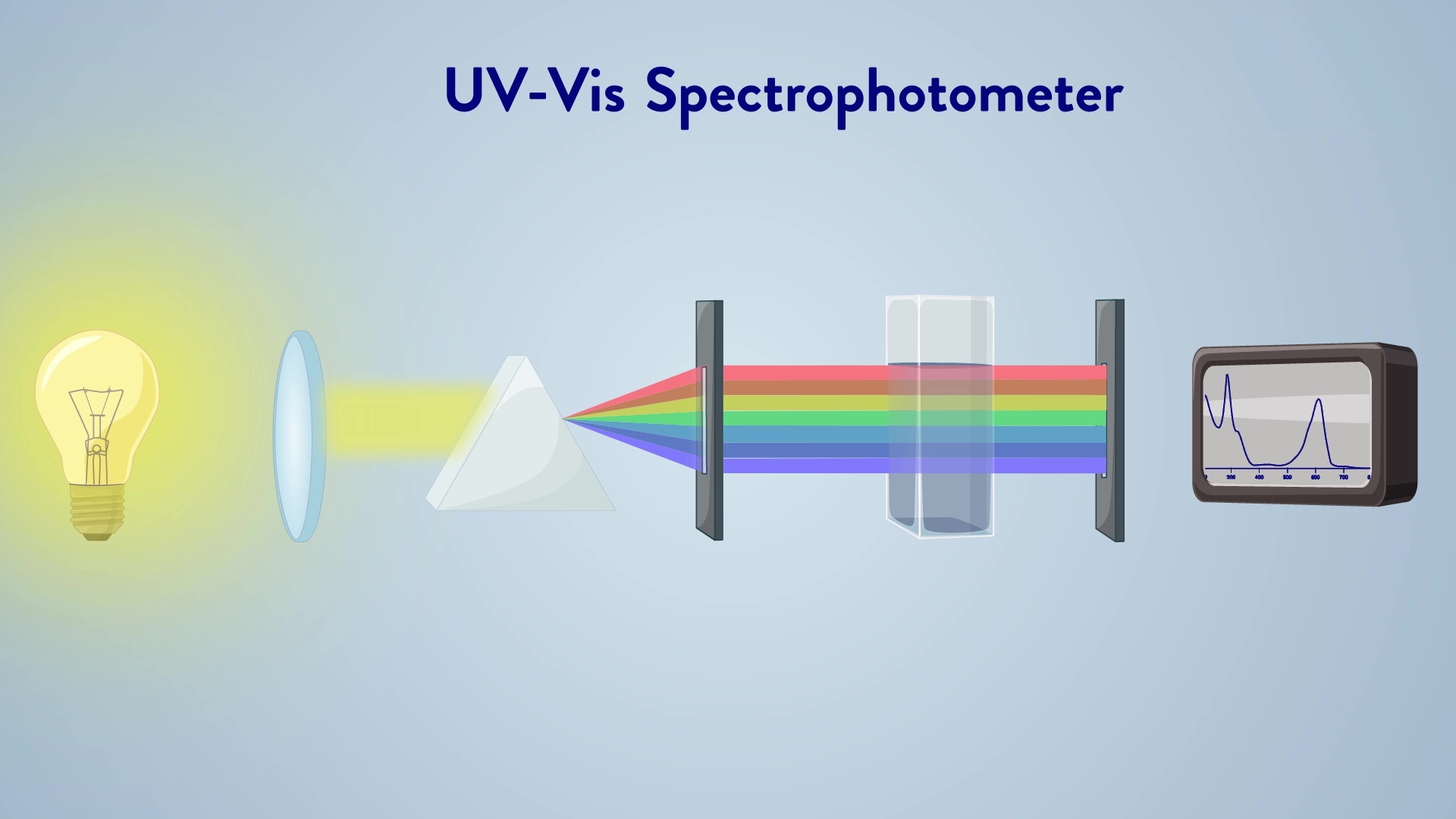


Ultraviolet-visible (UV-VIS) spectroscopy may sound complicated, but this is a popular method used in many areas of science. Regarding bacterial culturing, chemical research, and more, reliable UV-Vis spectroscopy can provide accurate results. Agilent UV VIS spectroscopy is an important analytical method in many laboratories worldwide.
In this article, you will learn about ultraviolet-visible spectroscopy and how this method works.
How UV-Vis Spectrophotometer Work
UV-Vis spectroscopy is a method used to measure the light in a sample. This analytical technique focuses on the light absorbed or transmitted. Since this method relies on light; naturally, the wavelength of light opposes the energy it carries. A scientific instrument called a UV-Vis spectrophotometer is used to reach accurate results.
Uses of UV-Vis Spectroscopy
The UV-Vis spectroscopy method has been proven effective in many scientific applications across several industries. This method has been useful for cancer research, wastewater treatments, monitoring air quality, and more for years. This method has contributed to various analyses in different industries, such as:
Beverage Analysis
UV-Vis spectroscopy has helped identify certain compounds, like caffeine content, in beverages. This is particularly helpful in ensuring the right amount of specific compounds is followed. When it comes to beverage analysis, UV-Vis is vital.
Chemical Analysis
UV-Vis spectroscopy has helped identify the chemicals in different products. This method has been proven useful in ensuring wastewater quality, polymer composition, and even the quality of pesticide residues. With the help of UV-Vis spectroscopy, every chemical is guaranteed safe for human contact.
Pharmaceutical Analysis
Although UV-Vis spectroscopy is widely used in various industries, this method is common in pharmaceutical analysis. The accuracy of each milligram of each drug is highly important in the pharmaceutical industry. That is why laboratories use UV-Vis spectroscopy to ensure they strictly follow industry standards.
DNA and RNA analysis
Studying the concentration of RNA and DNA uses UV-Vis spectroscopy. And verifying the purity of each sample needs careful handling to ensure that during the entire process, the samples stay intact. Using UV-Vis spectroscopy is useful in making sure that no cross-contamination takes place.
Bacterial Culture
Researching bacterial growth plays a vital role in various studies across industries. UV-Vis spectroscopy is commonly used in bacterial culturing. This method can help estimate bacterial growth by measuring the light absorbed over time.
Advantages of UV-Vis Spectroscopy
UV-Vis spectroscopy may not be perfect, but this technique is still credible in many ways. One particular advantage of using UV-Vis spectroscopy is the convenience and efficiency of producing results.
This method is also non-destructive; it allows samples to use again for further analysis. There is minimal processing required when analyzing data using UV-Vis spectroscopy. And best of all, UV-Vis spectroscopy is inexpensive and accessible for laboratories.
Disadvantages of UV-Vis Spectroscopy
The advantages of UV-Vis spectroscopy may seem to offer the best convenience, but this method is imperfect. There are some weaknesses of UV-Vis spectroscopy that should be considered.
Light Imperfection
Stray light and light scattering are considered light imperfections and can affect the results of UV-Vis spectroscopy. Measurement errors can occur when little light is transmitted when there should be none.
On the other hand, light scattering results from left-behind solids in the liquid sample. This and any form of bubbles can cause light to scatter, affecting the results of UV-Vis spectroscopy.
Interference From Absorbing Species
UV-Vis spectroscopy may produce wrong measurements if chemical species are not separated before the examination. When using UV-Vis spectroscopy to study samples, it is important to separate each sample to study the samples better.
Geometrical Considerations
The design of the UV-Vis spectroscopy instrument can also result in measurement errors like unreproducible and inaccurate results. Any misaligned component of the instrument can cause the cuvette holding the sample to affect the analysis result.
Understanding UV VIS Spectroscopy
The scientific technique, UV-Vis spectroscopy, has contributed to analyzing various compounds across different industries. This has been exceptionally helpful in providing beneficial results to various studies. And each result in these studies has been useful in producing medicines, vaccines, and more.


