

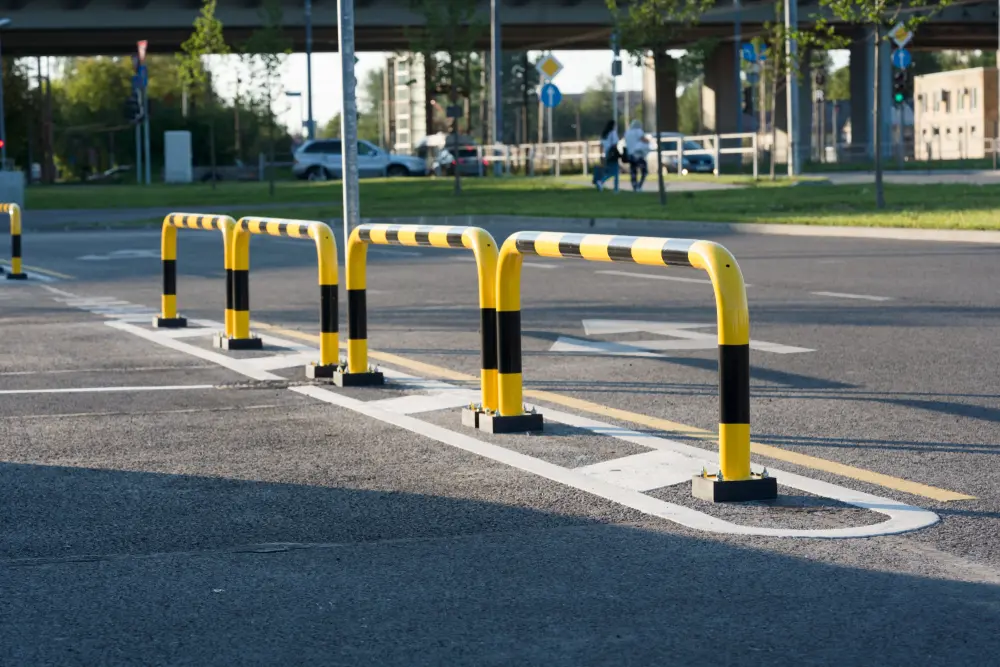

Road safety is a paramount concern for any community, and countless measures are taken to protect motorists, pedestrians, and property. One often overlooked but essential element in this endeavour is road bollards. These unassuming structures play a crucial role in ensuring safety on our roads, offering protection, guidance, and control. In this article, we will delve into the vital role road bollards play in enhancing safety and explore their various applications.
Defining Road Bollards: An Overview
Road bollards are sturdy, vertical posts typically made of steel or concrete that are installed along roadsides, pedestrian areas, and other critical locations. They serve multiple functions and are designed to withstand impact from vehicles while providing guidance and control. Road bollards come in various types, including fixed, flexible, removable, and illuminated, allowing for adaptability to different environments and requirements.
Enhancing Traffic Management and Control
One of the primary purposes of road bollards is to facilitate effective traffic management and control. By strategically placing bollards, traffic flow can be channelled, ensuring orderly movement and reducing congestion. Bollards are used to delineate lanes, designate turning areas, and separate pedestrian walkways from vehicular traffic. They also prevent illegal parking and help enforce traffic regulations, reducing the likelihood of accidents and improving overall road safety.
Promoting Road Safety and Accident Prevention
Road bollards play a crucial role in protecting pedestrians and cyclists, who are often vulnerable to accidents caused by vehicles. By installing bollards along sidewalks, crosswalks, and bike lanes, a physical barrier is created that helps prevent vehicles from encroaching into these spaces, ensuring the safety of pedestrians and cyclists. Bollards also provide visual cues and warnings to motorists, indicating potential hazards and reducing the risk of collisions.
Securing High-Risk Areas and Critical Infrastructure
In addition to enhancing traffic management, road bollards play a pivotal role in securing high-risk areas and critical infrastructure. They are particularly effective in mitigating the threat of vehicular ramming attacks, as they create a physical barrier that prevents unauthorized vehicles from entering protected zones. Bollards are commonly used around government buildings, embassies, stadiums, and airports to safeguard public spaces and important structures from potential security breaches.
Illuminating the Importance of Road Bollard Visibility
Visibility is a crucial aspect of road safety, especially during low-light conditions. Reflective and illuminated bollards significantly enhance visibility, allowing motorists to identify road boundaries, pedestrian crossings, and other potential hazards more easily. By integrating reflective materials and lighting features, road bollards ensure that they remain visible and effective day and night, minimizing the risk of accidents and improving overall road safety.
Choosing the Right Road Bollards for Specific Applications
Selecting the appropriate type of road bollards for specific applications is essential to maximize their effectiveness. High-traffic areas may require impact-resistant bollards capable of withstanding collisions, while areas with varying access requirements might benefit from removable or retractable bollards that offer flexibility. In some cases, decorative bollards can be used to integrate safety measures with the aesthetic appeal of the surrounding environment, creating a harmonious balance between functionality and design.
Implementing Effective Maintenance and Inspection Strategies
Regular maintenance and inspection of road bollards are crucial to ensure their continued functionality and effectiveness. Periodic inspections should be conducted to identify any damage, wear, or malfunctions. Debris should be cleared to maintain visibility and damaged or outdated bollards should be promptly repaired or replaced. By implementing effective maintenance practices, communities can ensure that road bollards remain reliable for safety.
