


Introduction
In the realm of education and professional development, technology has revolutionized the way we acquire knowledge and skills. Learning Management Systems (LMS) and Learning Experience Platforms (LXP) are two popular tools that have gained significant attention in recent years. While both serve the purpose of delivering online learning content, they differ in several aspects, making it essential for organizations to understand their unique features before choosing the right platform. In this article, we will delve into the distinctions between LMS and LXP and explore how each can cater to specific learning requirements. You can read more on this site https://anyforsoft.com/blog/lxp-vs-lms-differences/
LMS: Managing and Administering Learning
LMS, as the name suggests, focuses primarily on managing and administering learning activities. It acts as a centralized hub for organizing, delivering, and tracking educational content. LMS provides a structured approach to learning, typically following a traditional course-based format. It offers features such as course creation, enrollment, progress tracking, assessments, and grading.
With an LMS, organizations can effectively deliver formal training programs, compliance courses, and certification modules. It streamlines administrative tasks, facilitates collaboration among learners, and provides reporting functionalities for monitoring learners’ progress. LMS platforms are ideal for organizations that require strict compliance adherence, structured learning paths, and formal evaluation processes.
LXP: Empowering Learner-Centric Experiences
In contrast to the structured nature of LMS, Learning Experience Platforms (LXP) prioritize learner-centric experiences. LXP aims to create a personalized and engaging learning environment by curating a wide range of learning resources, including articles, videos, podcasts, webinars, and more. It places the learner at the center of the learning journey, allowing individuals to explore and consume content based on their preferences and interests.
LXPs leverage advanced technologies such as artificial intelligence and machine learning to provide personalized recommendations, social learning features, and adaptive learning pathways. They promote informal and experiential learning, encouraging learners to discover and share knowledge with their peers. LXPs are ideal for organizations seeking to foster a culture of continuous learning, knowledge sharing, and self-driven development.
Distinguishing Factors
Content Structure: LMS typically relies on a hierarchical structure, organizing content in a sequential manner, while LXP offers a more flexible, non-linear approach. LXPs allow learners to access content in various formats and from different sources, enabling a broader range of learning experiences.
Formal vs. Informal Learning: LMS caters to formal learning scenarios, where courses are created and assigned to learners. In contrast, LXP emphasizes informal learning, enabling self-directed exploration and discovery of knowledge.
Personalization: While LMS provides some level of customization, LXPs take personalization to a new level. Through advanced algorithms, LXPs analyze learners’ preferences, behavior, and performance to deliver tailored content recommendations and adaptive learning pathways.
Social Learning: LXPs embrace social learning by facilitating collaboration, discussion forums, and knowledge sharing among learners. LMS platforms, although capable of incorporating some social elements, often focus more on individual progress and assessment.
Choosing the Right Solution
When deciding between LMS and LXP, organizations should consider their specific learning goals, organizational culture, and the nature of the content they intend to deliver. For compliance training, certifications, and formal learning requirements, an LMS might be the suitable choice. On the other hand, organizations emphasizing continuous learning, knowledge sharing, and informal development can benefit from an LXP.
Some organizations opt for a hybrid approach, integrating both LMS and LXP functionalities to provide a comprehensive learning experience. This allows them to combine the structure and accountability of an LMS with the flexibility and personalization of an LXP.
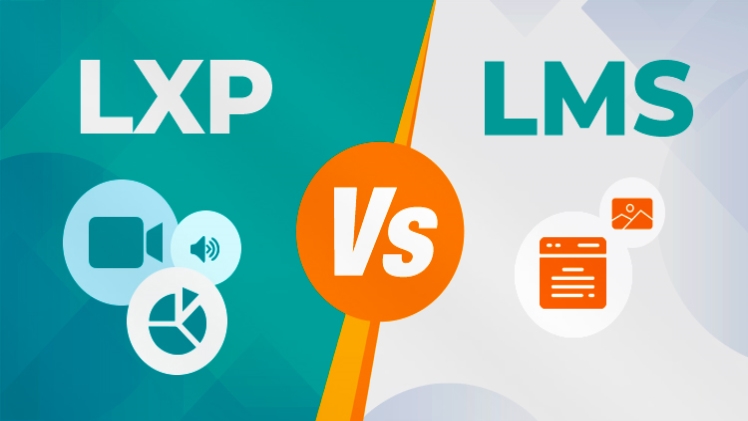
When comparing LMS and LXP, it’s essential to understand the key distinctions between the two. The phrase lms vs lxp encapsulates the ongoing debate and the need for organizations to evaluate their specific learning needs. While LMS platforms provide a structured and formal approach to learning, LXP solutions offer a more flexible and learner-centric experience. By acknowledging the LMS vs. LXP discussion, organizations can make informed decisions about which platform aligns best with their goals and requirements.
Conclusion
As the landscape of online learning continues to evolve, organizations are faced with the decision of choosing between LMS and LXP platforms. Understanding the differences between these two approaches is crucial in determining the right solution for specific learning goals. Organizations can refer to resources such as the comprehensive guide on lms vs lxp differences to gain deeper insights into the nuances of these platforms. By considering factors such as content structure, formal vs. informal learning, personalization, and social learning, organizations can make an informed decision about the platform that best suits their needs and fosters a culture of continuous learning and development.
